Piedras sobre agua
Nico Munuera
Piedras sobre agua
Madrid
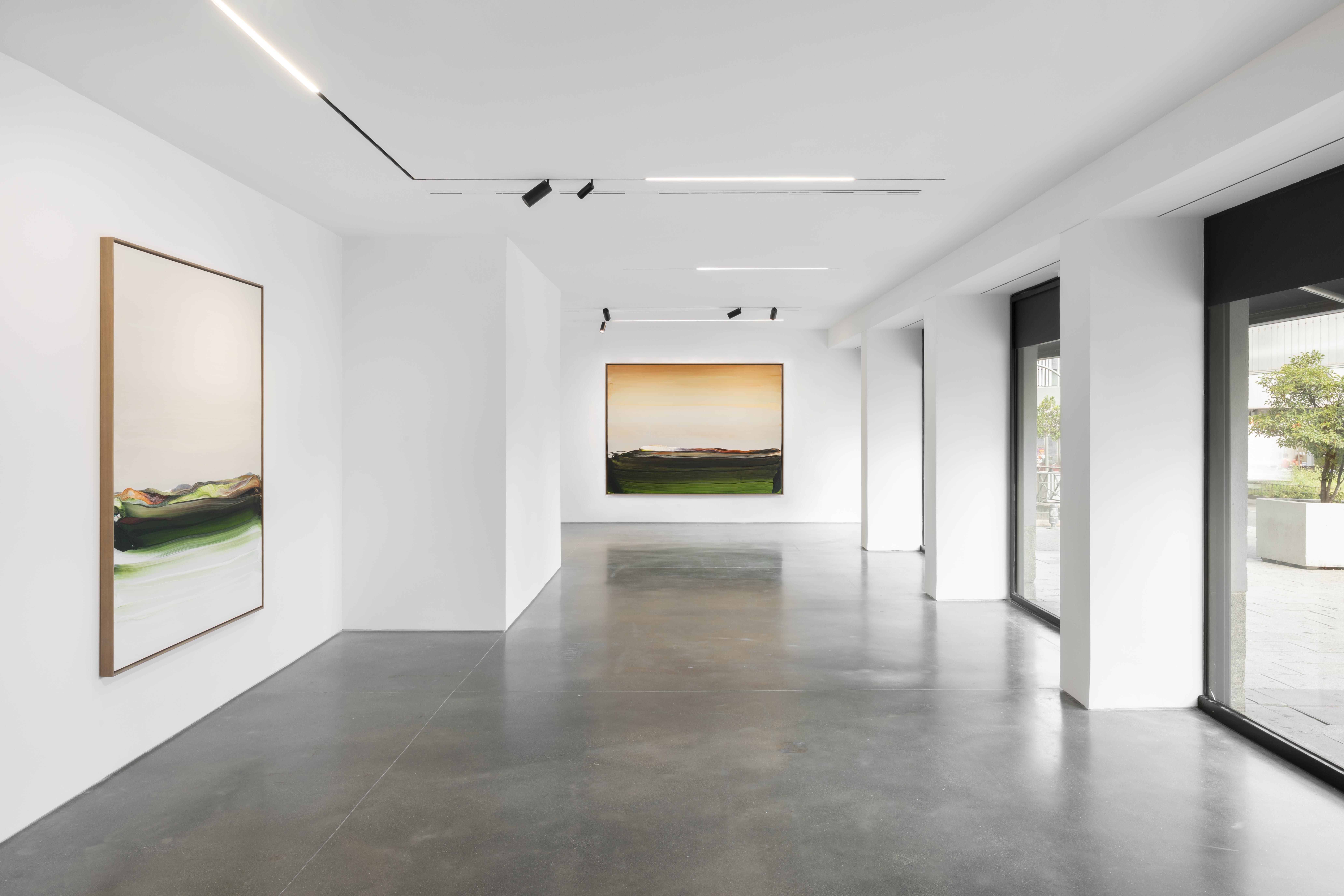
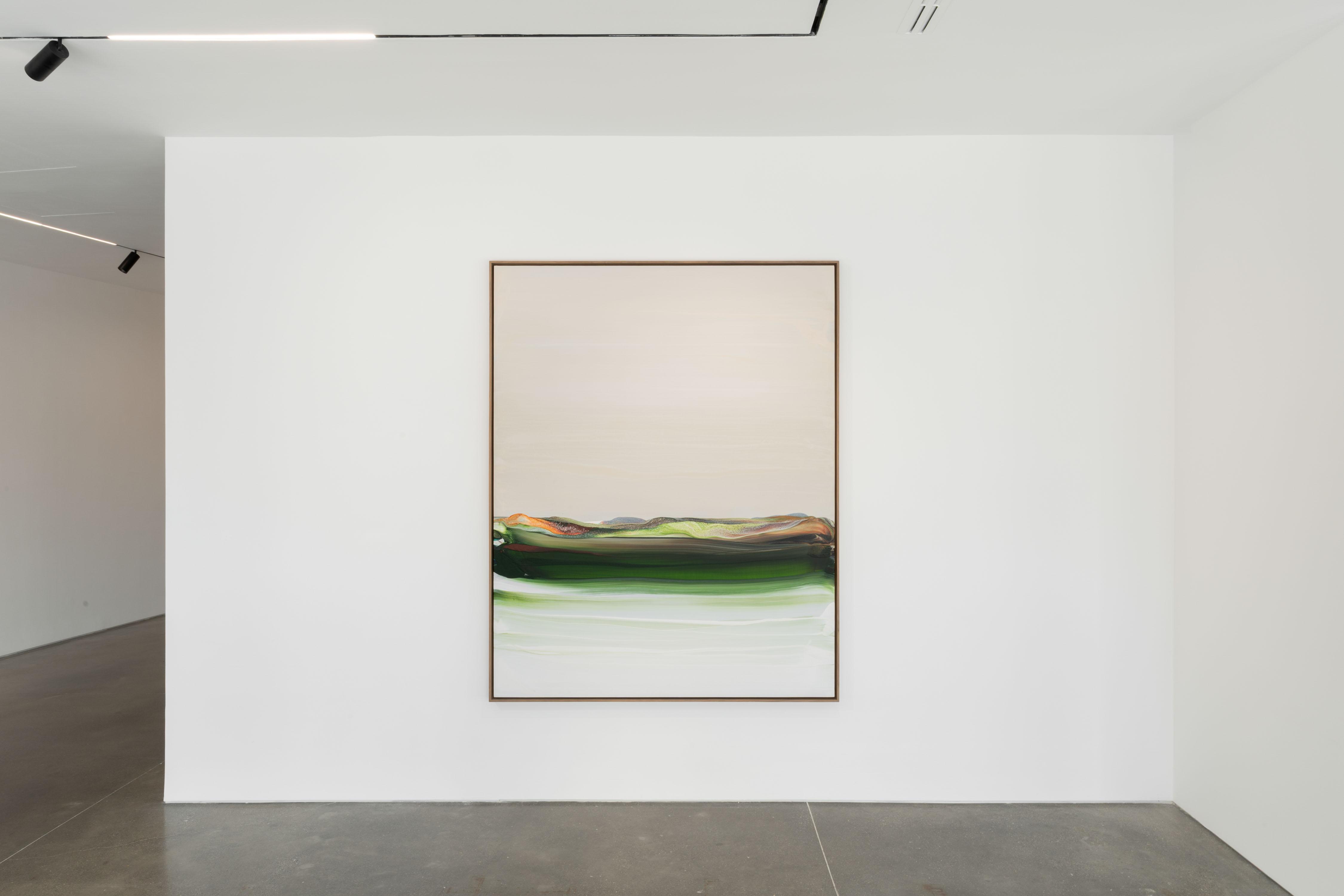
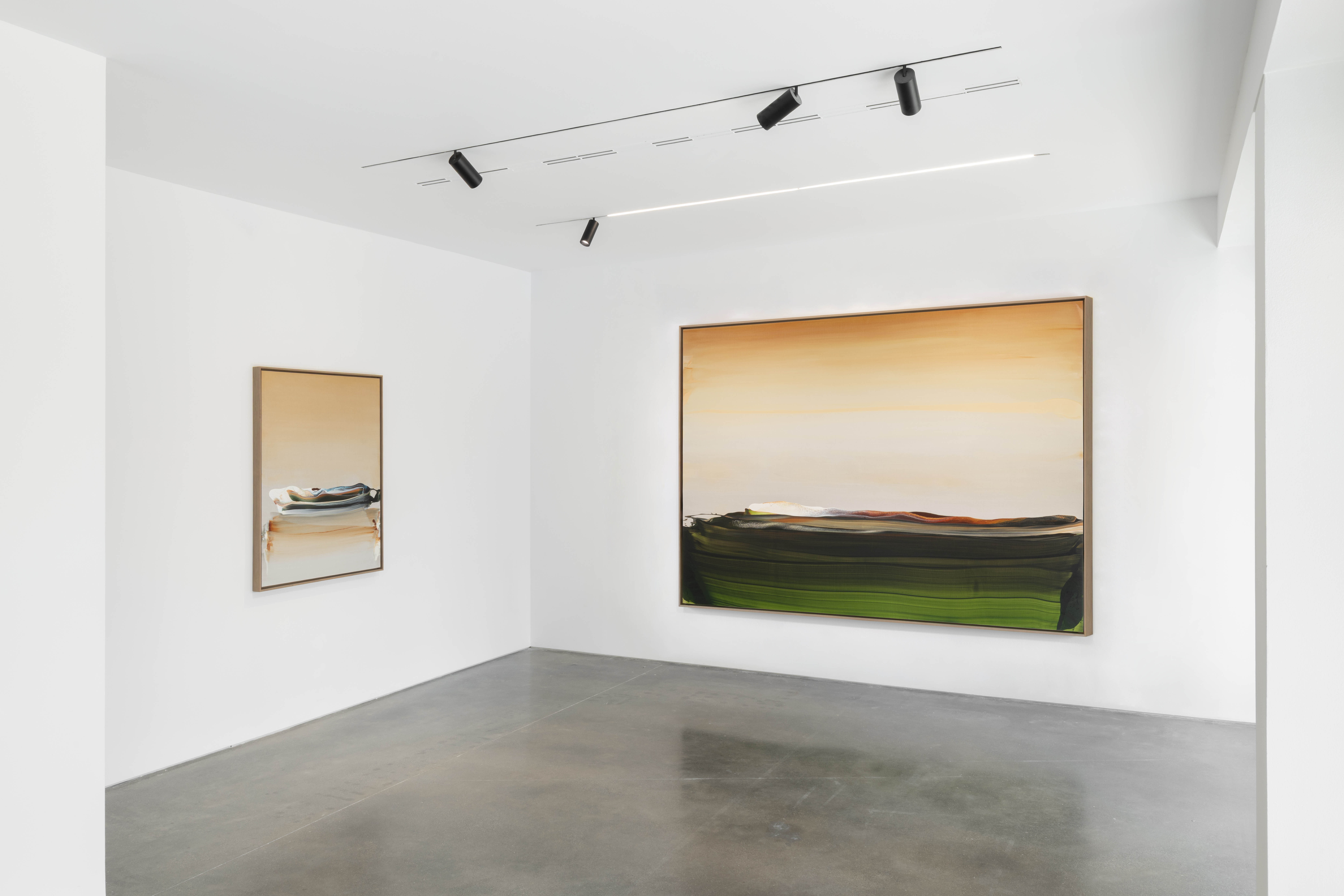
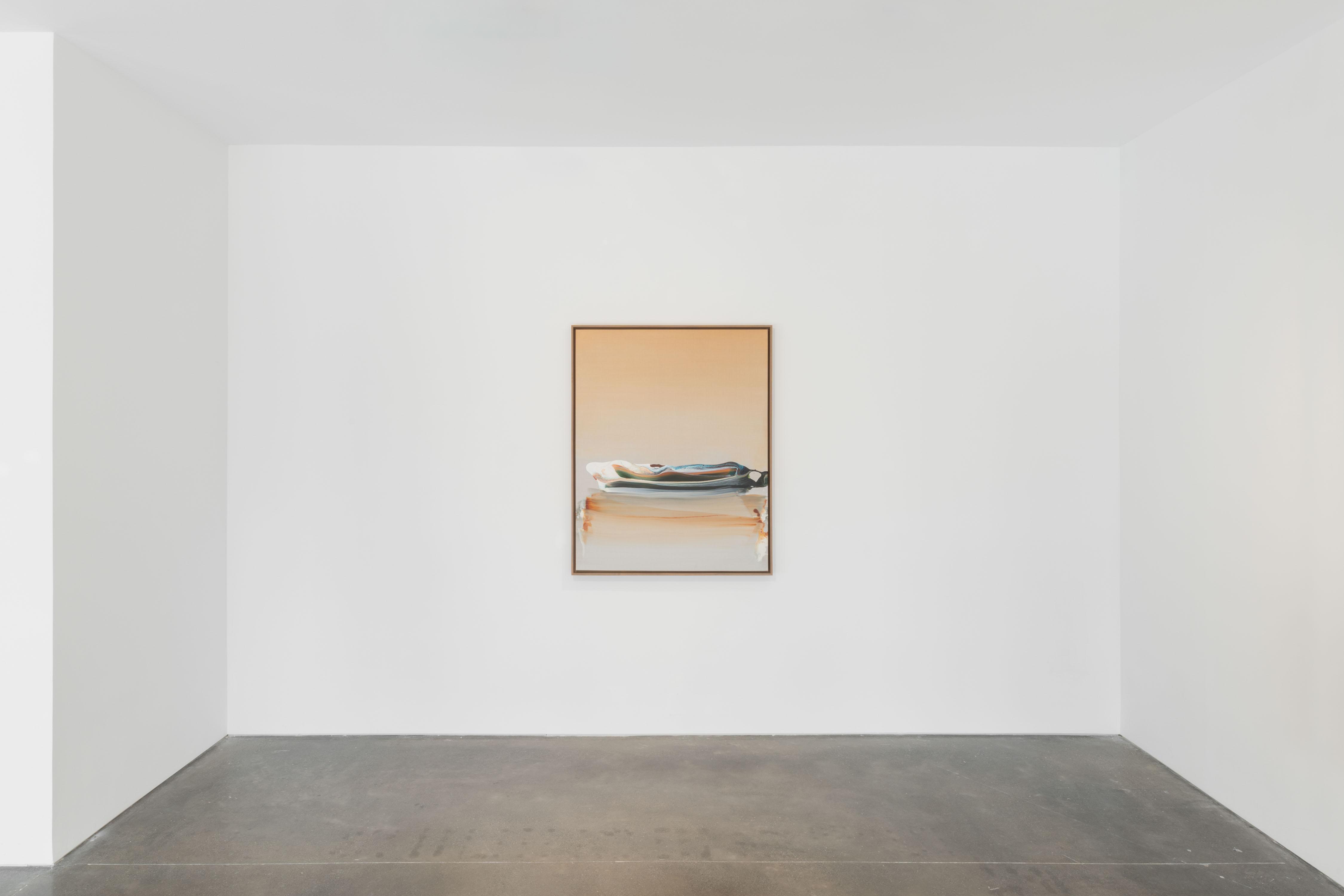
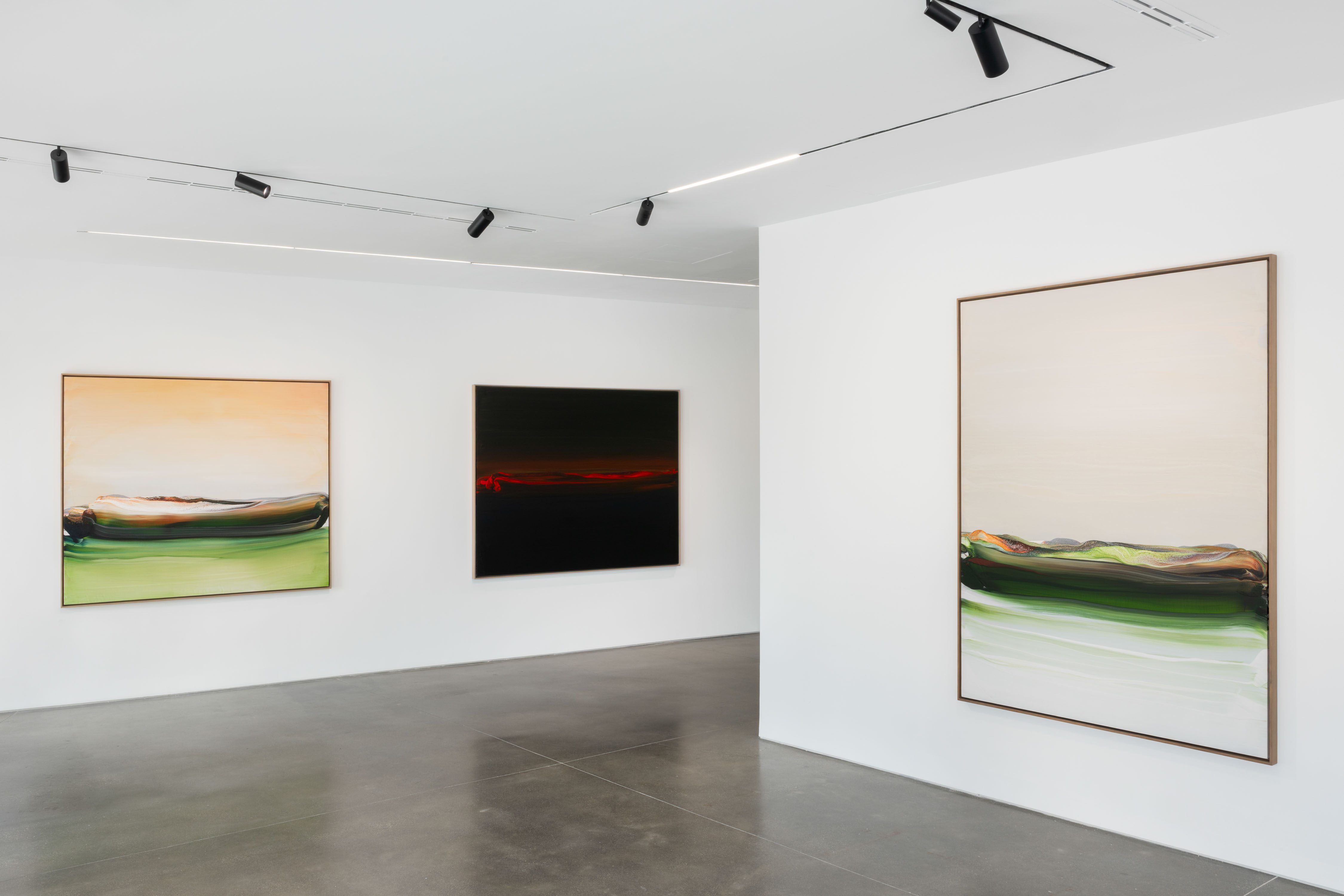
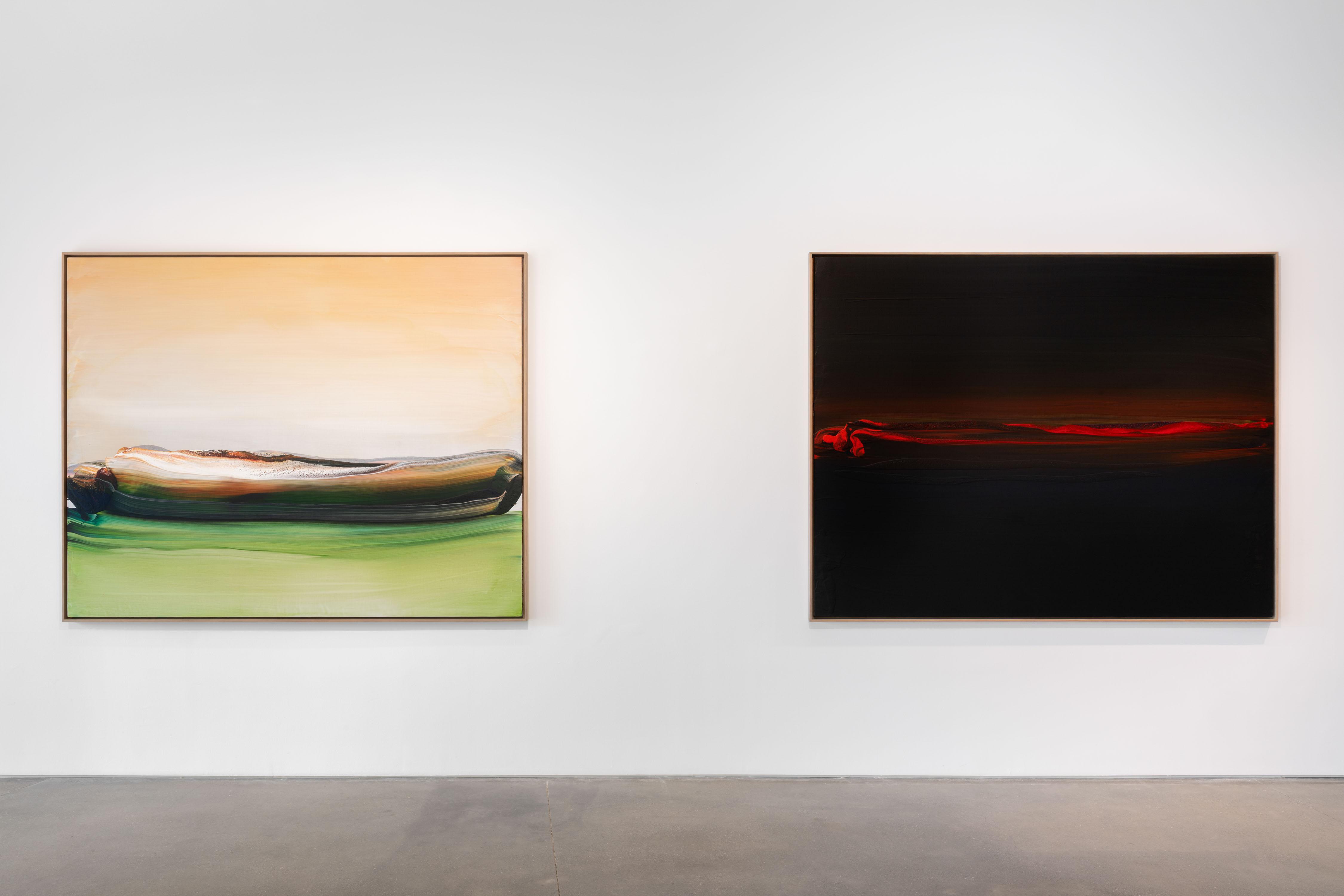
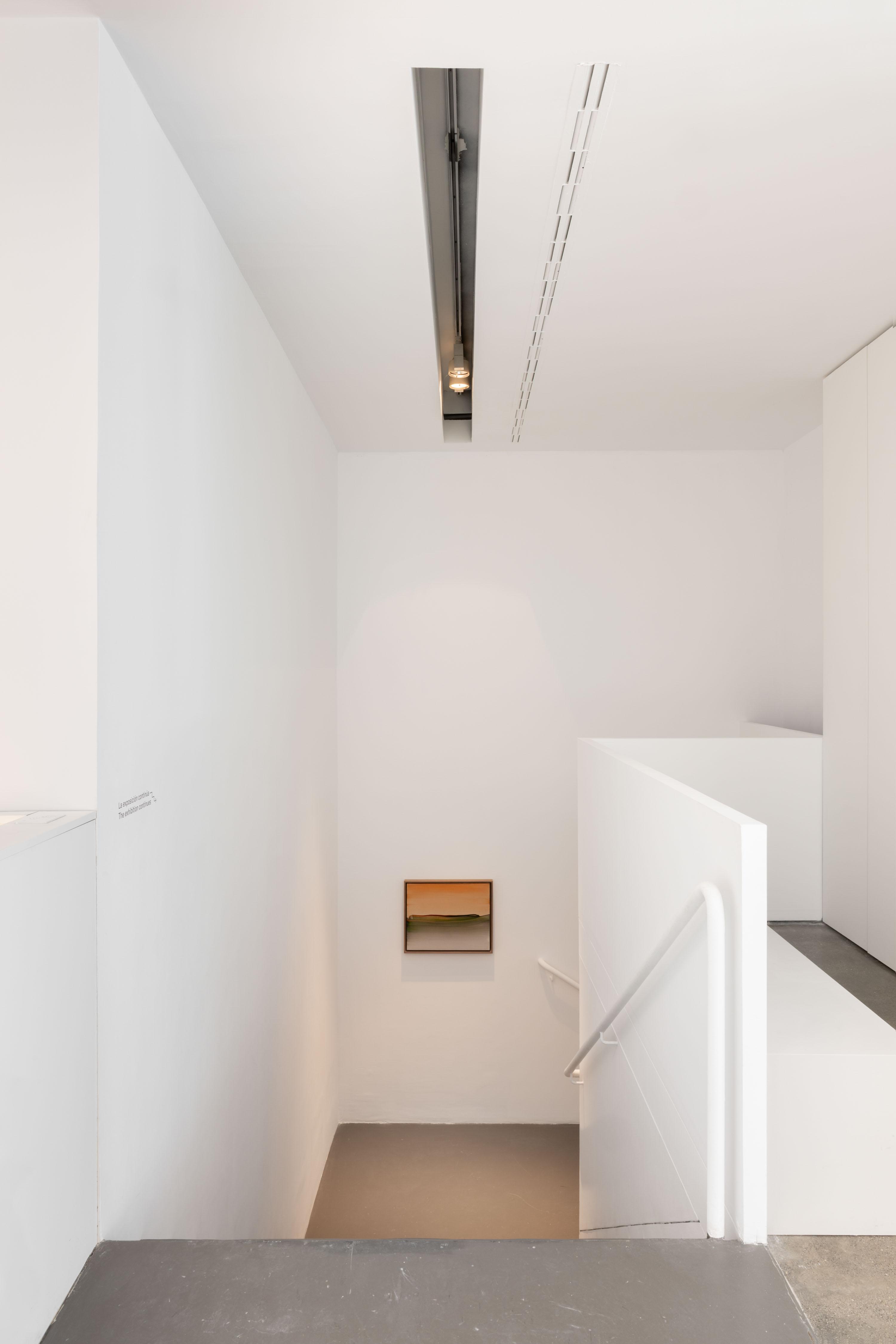
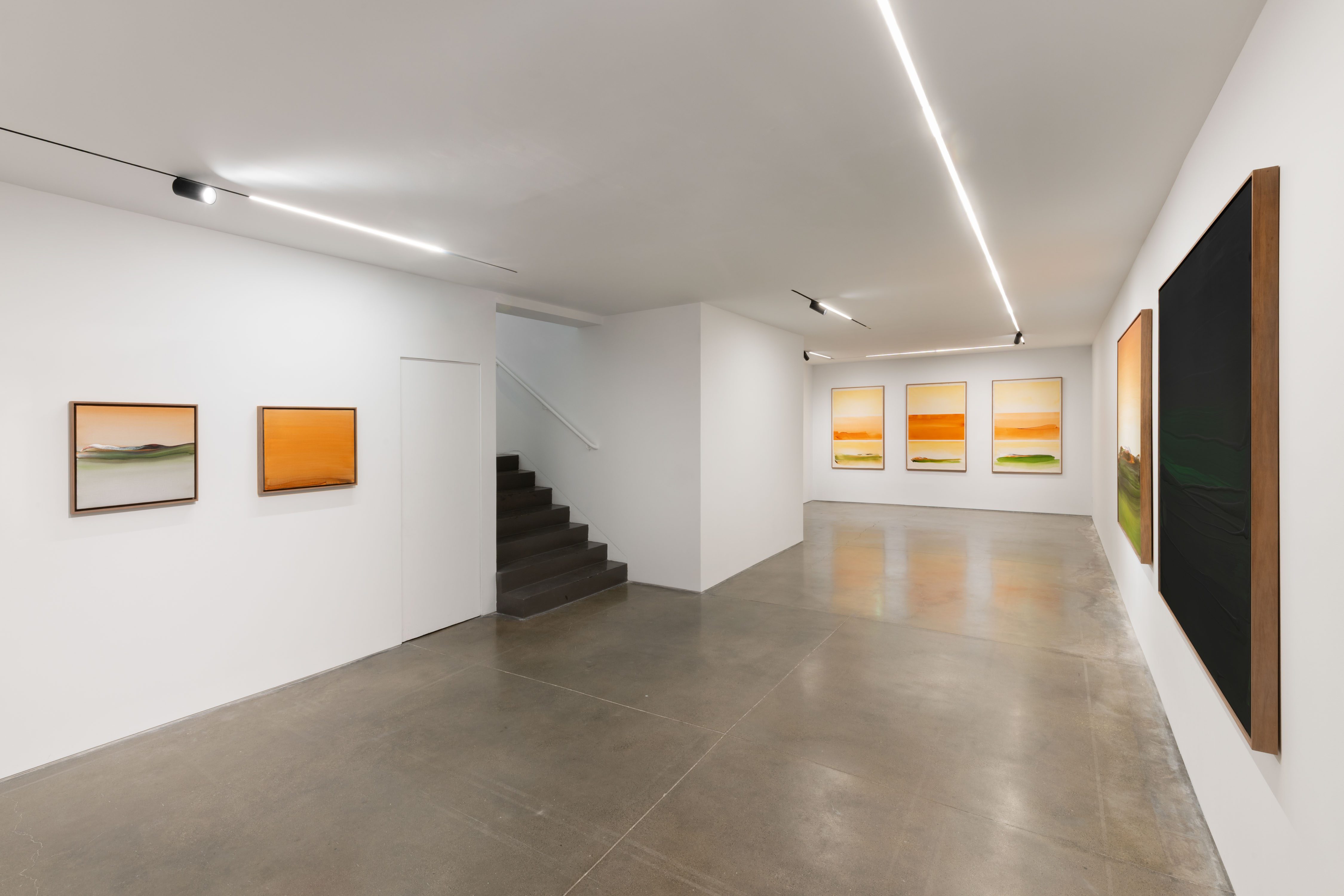
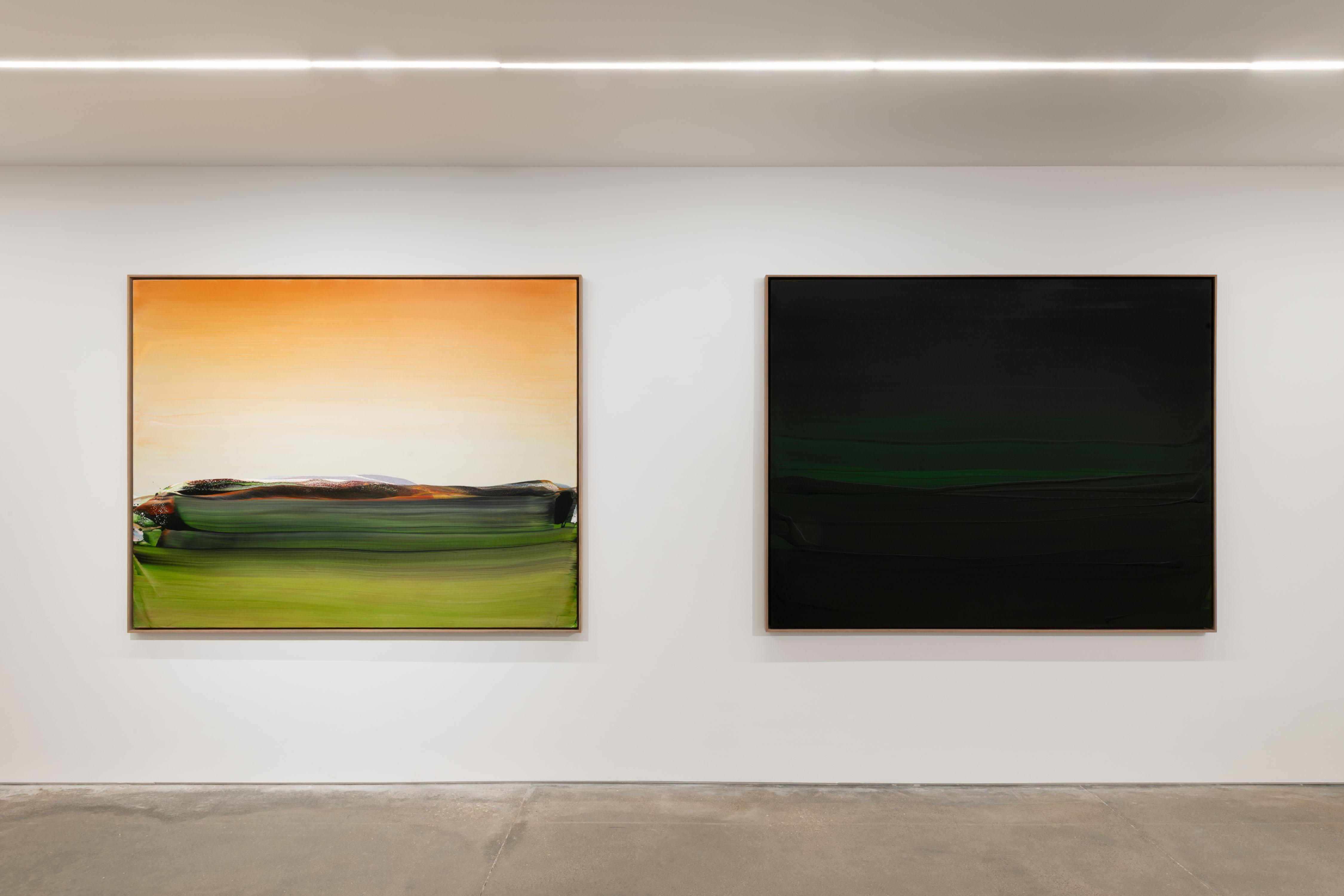
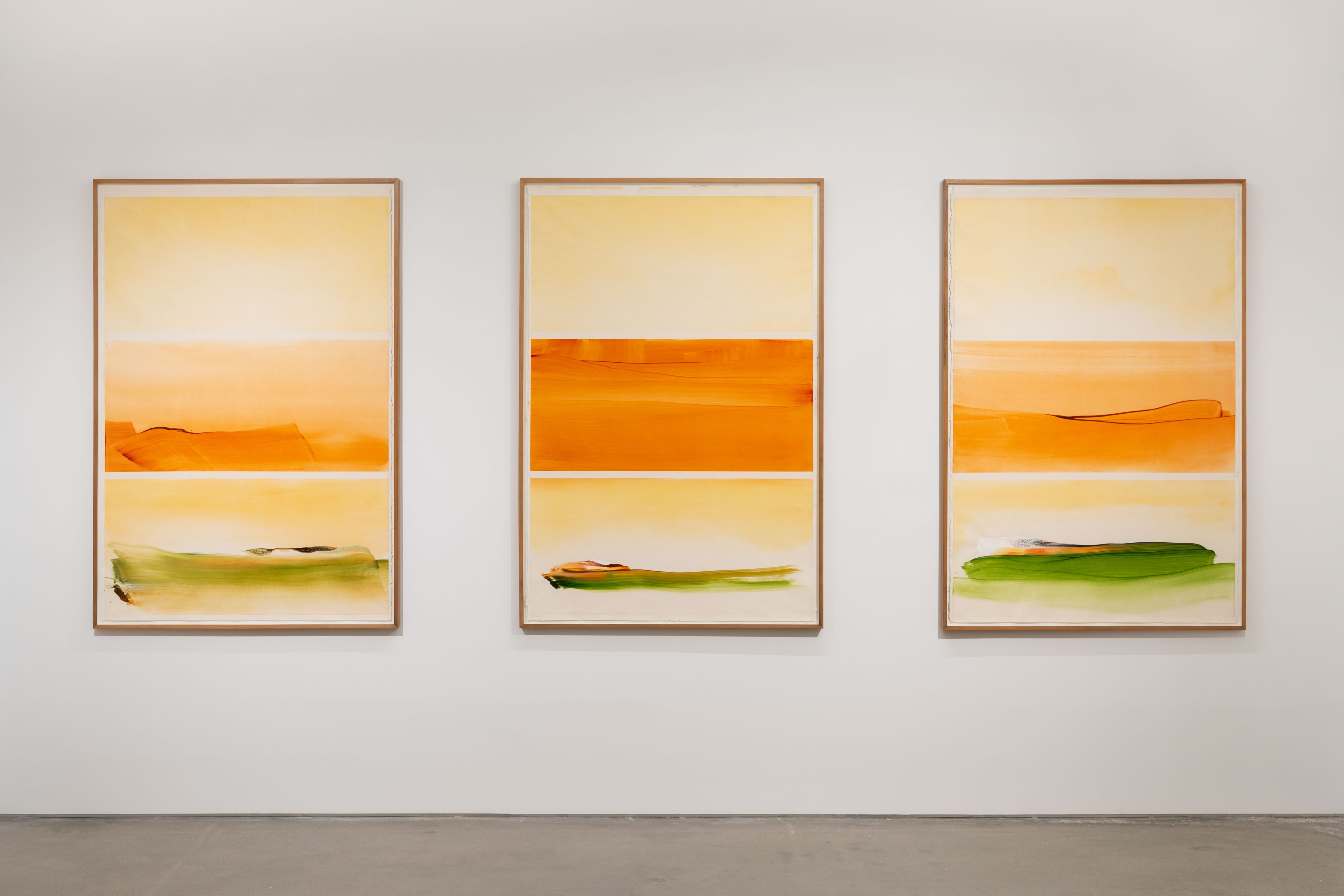
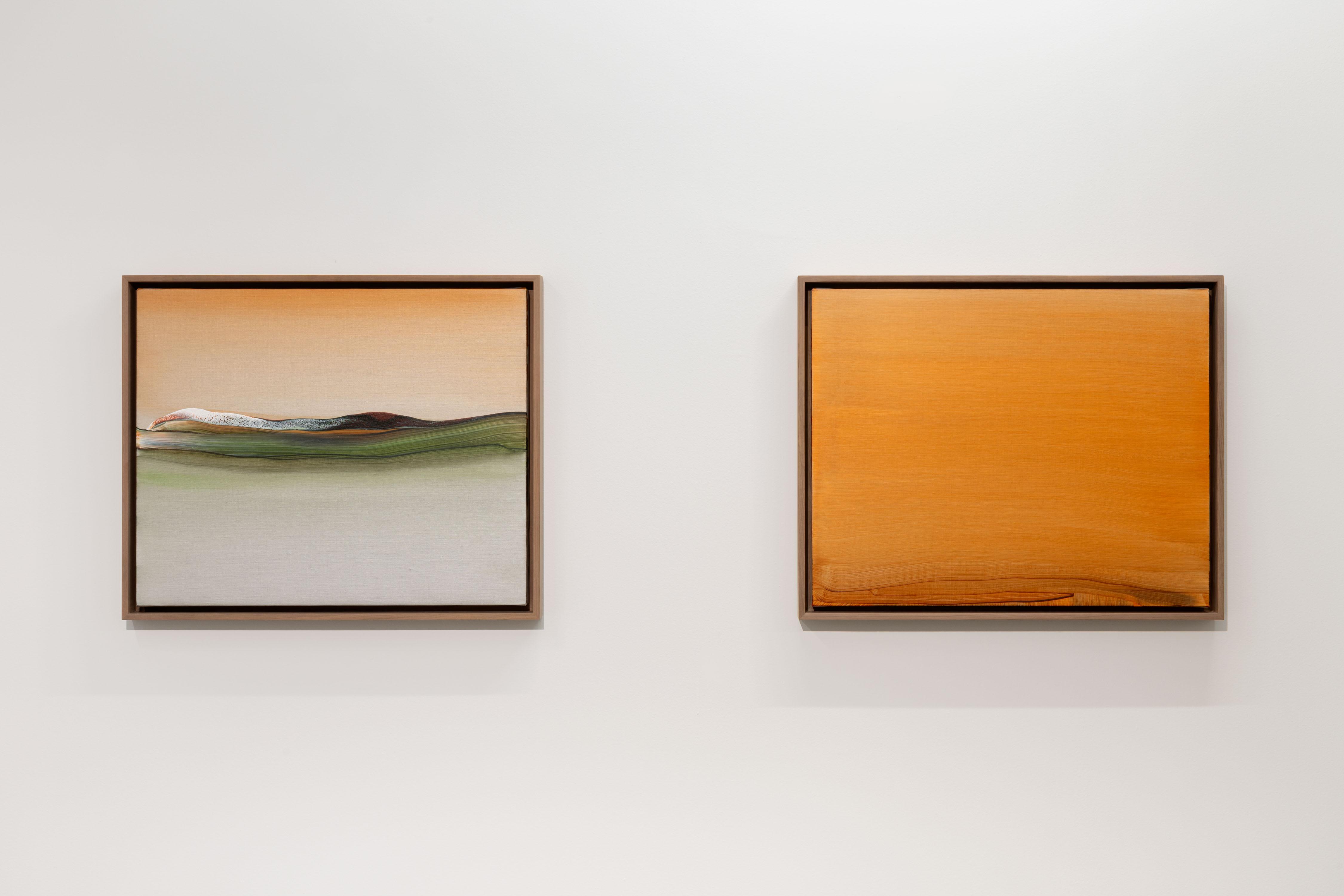
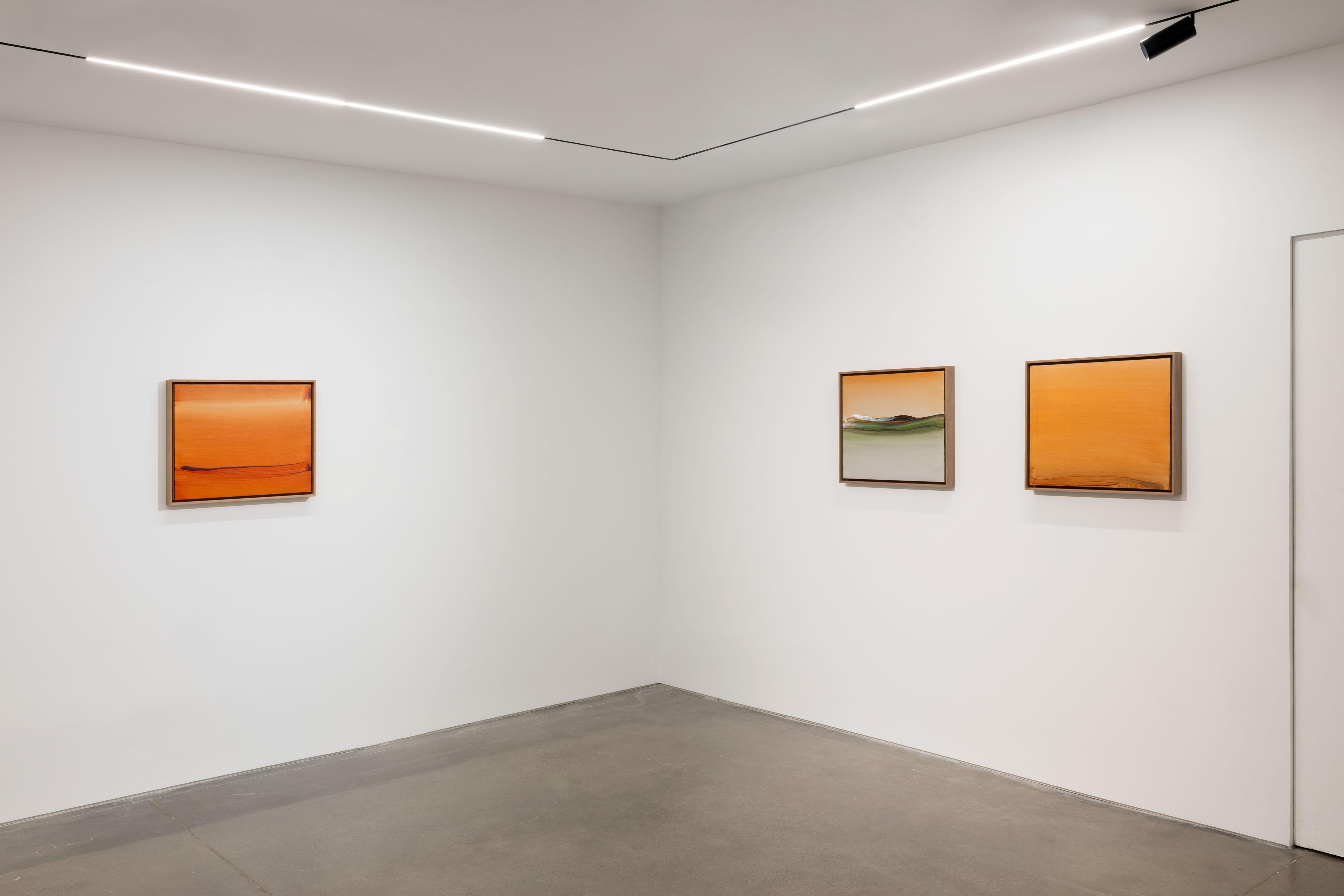
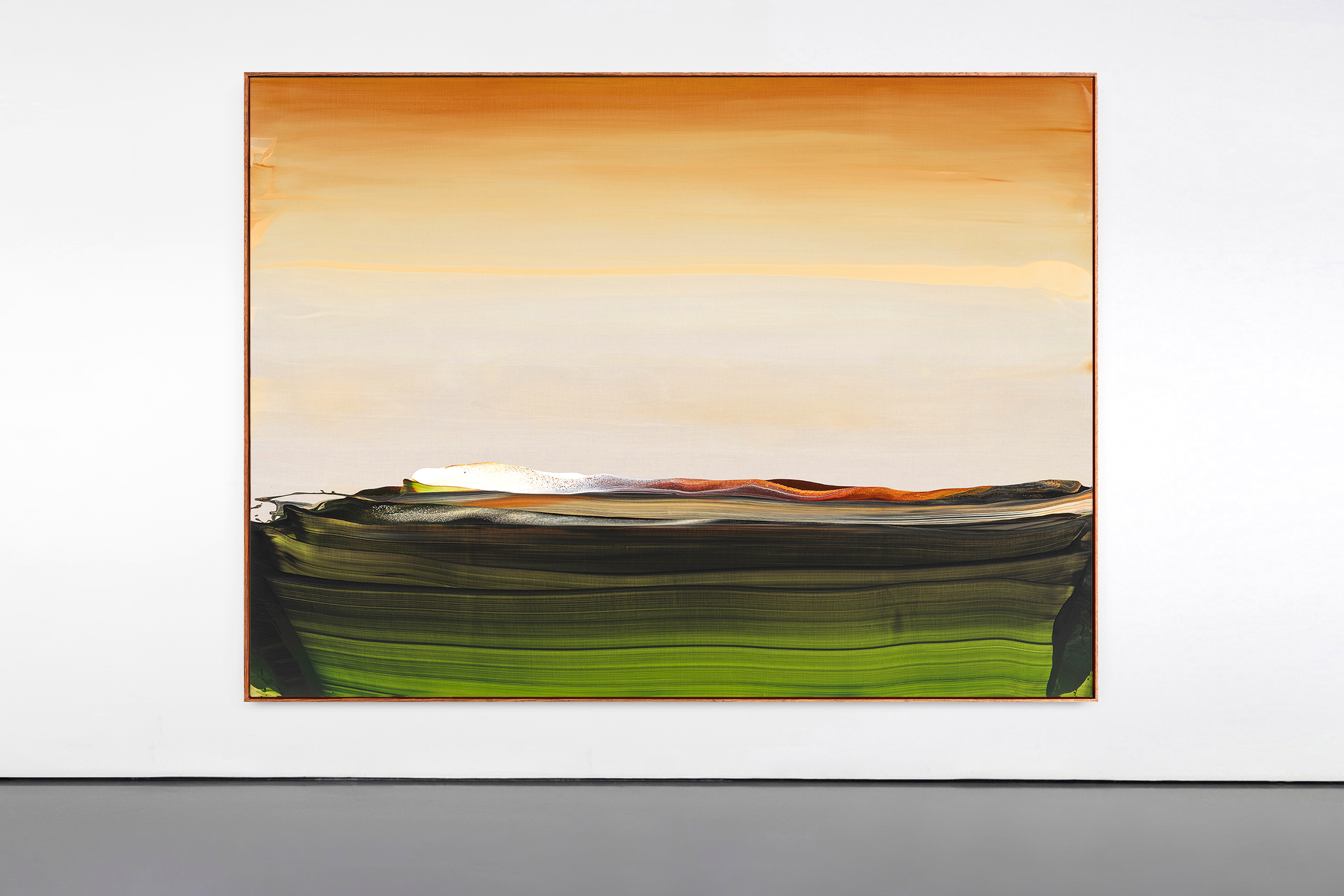
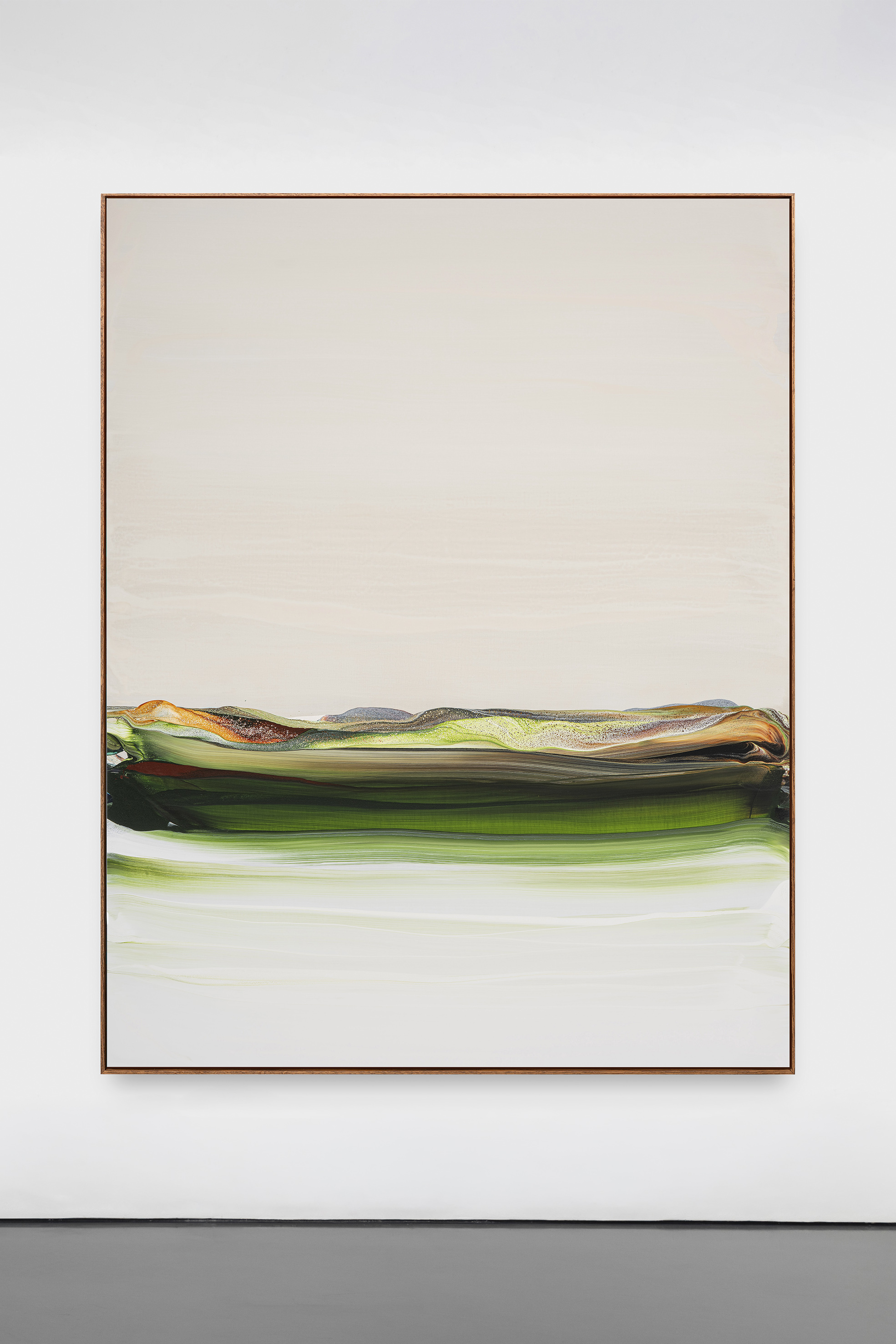
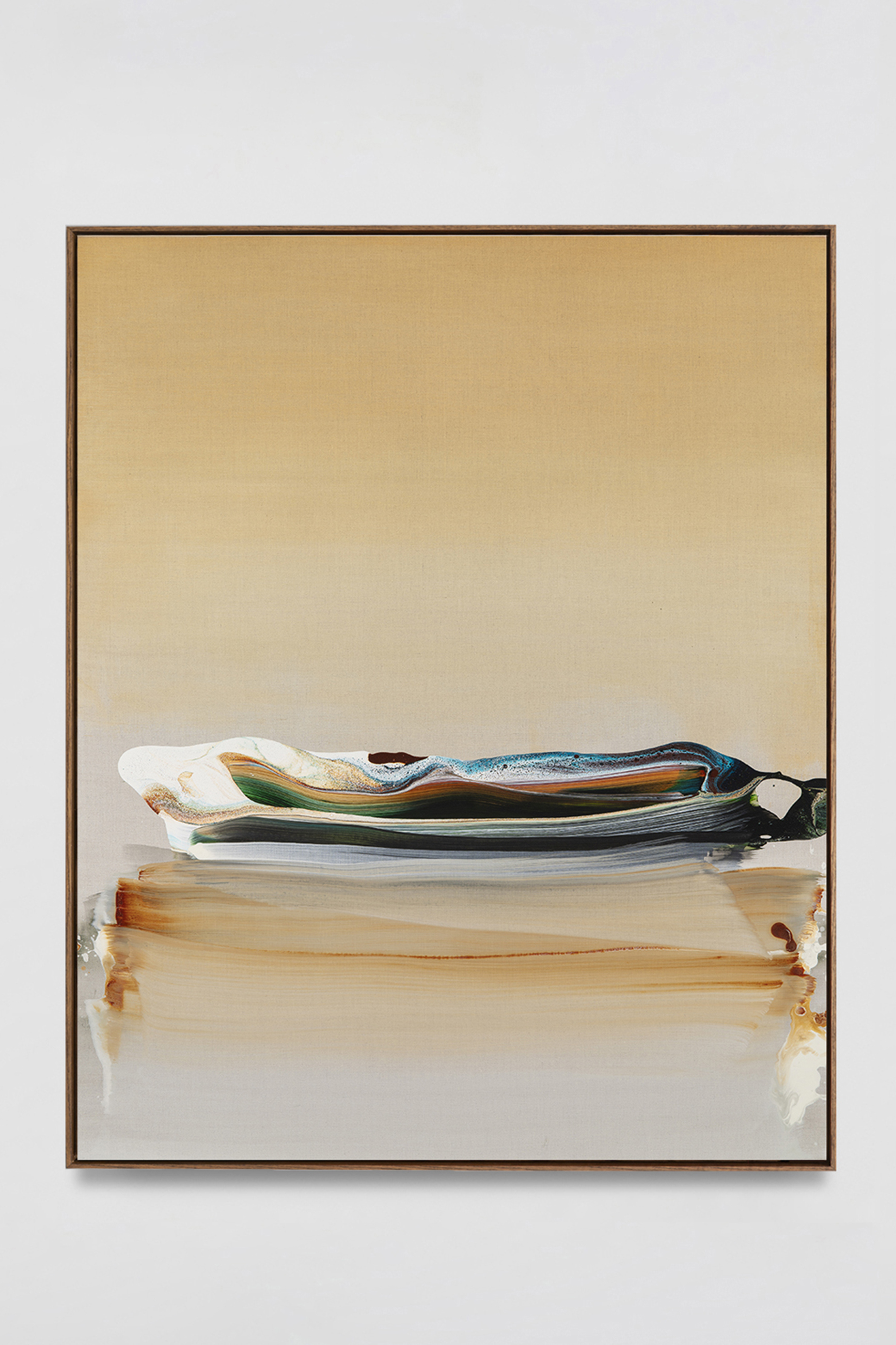
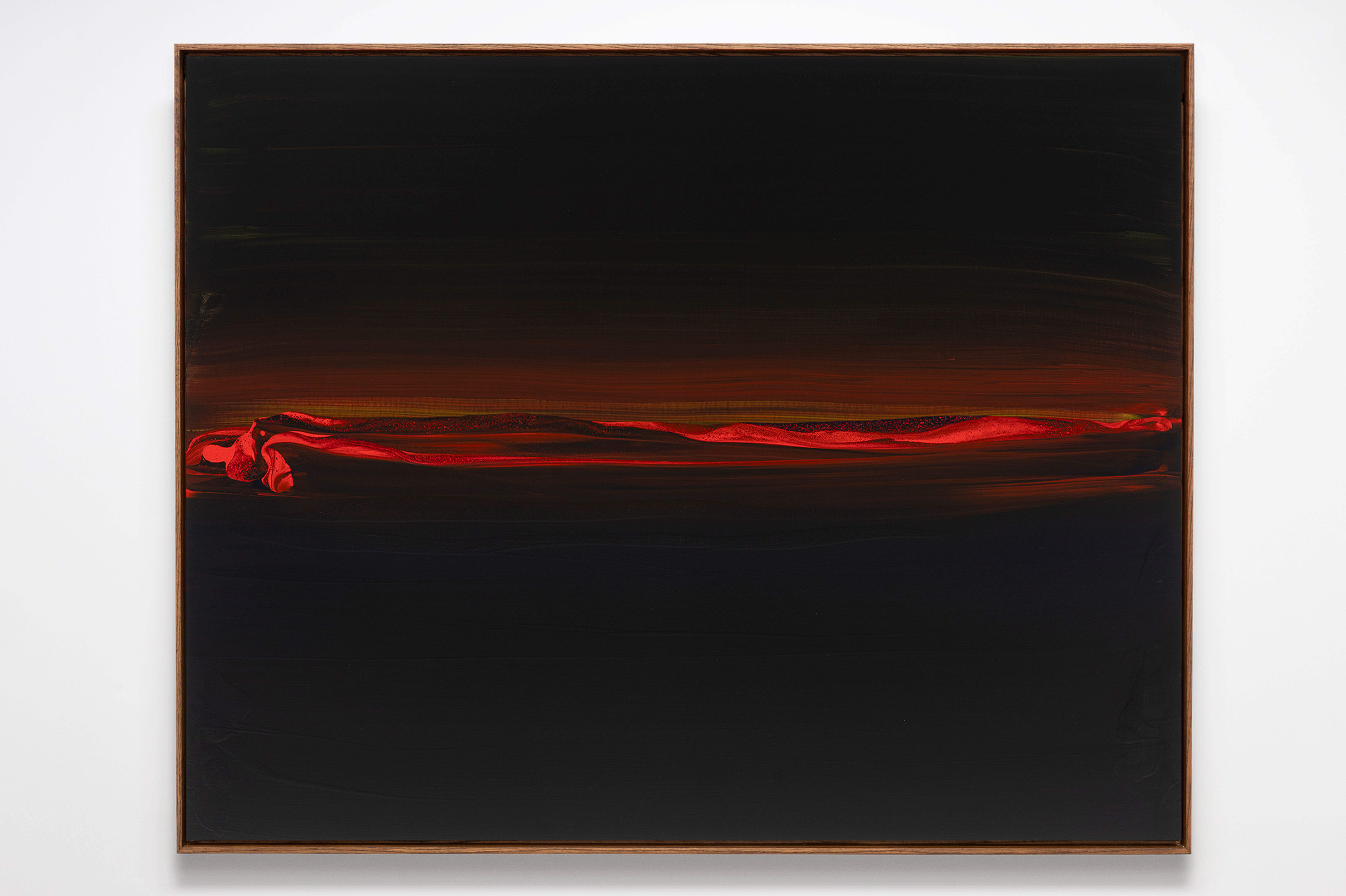
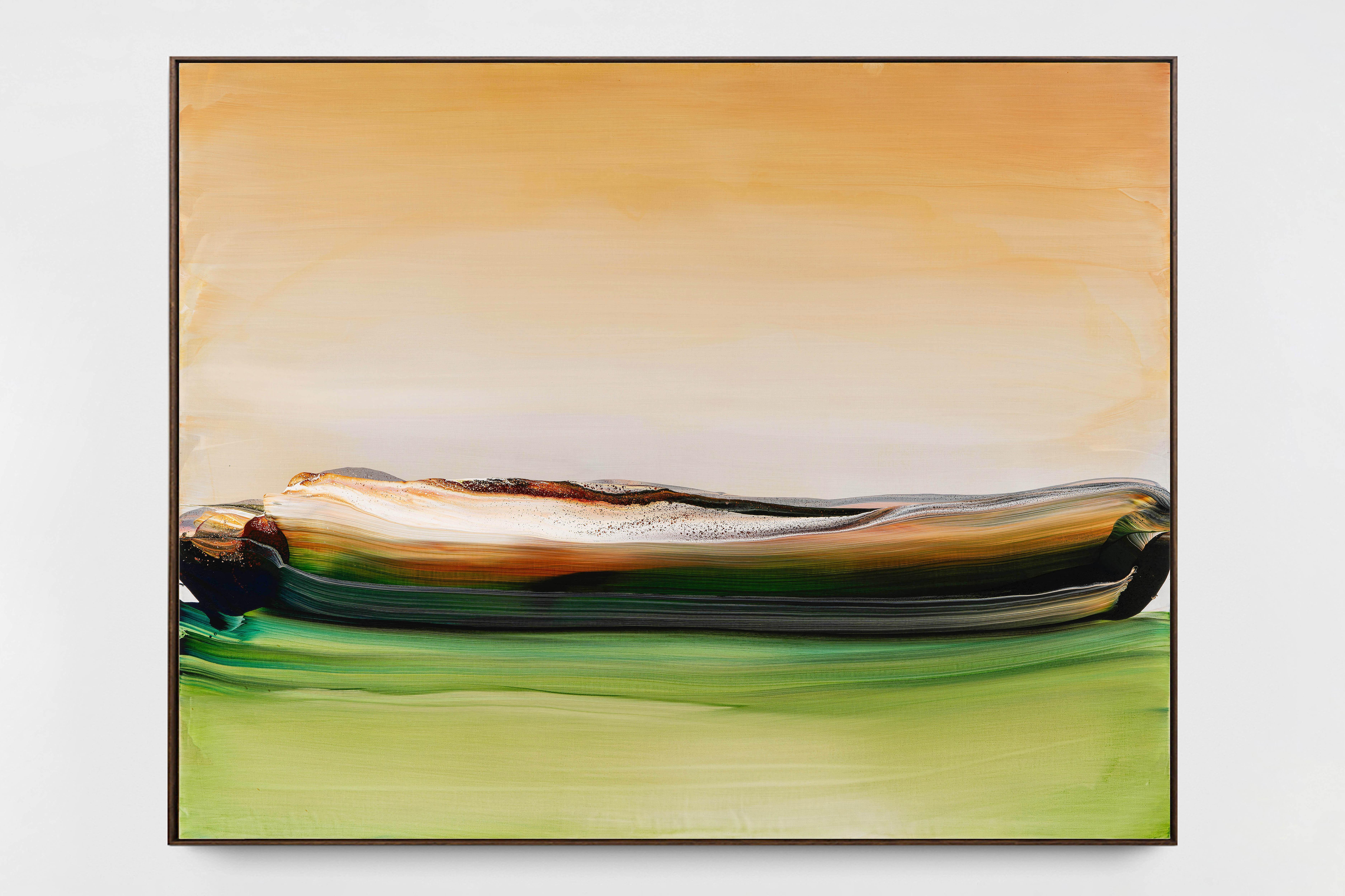
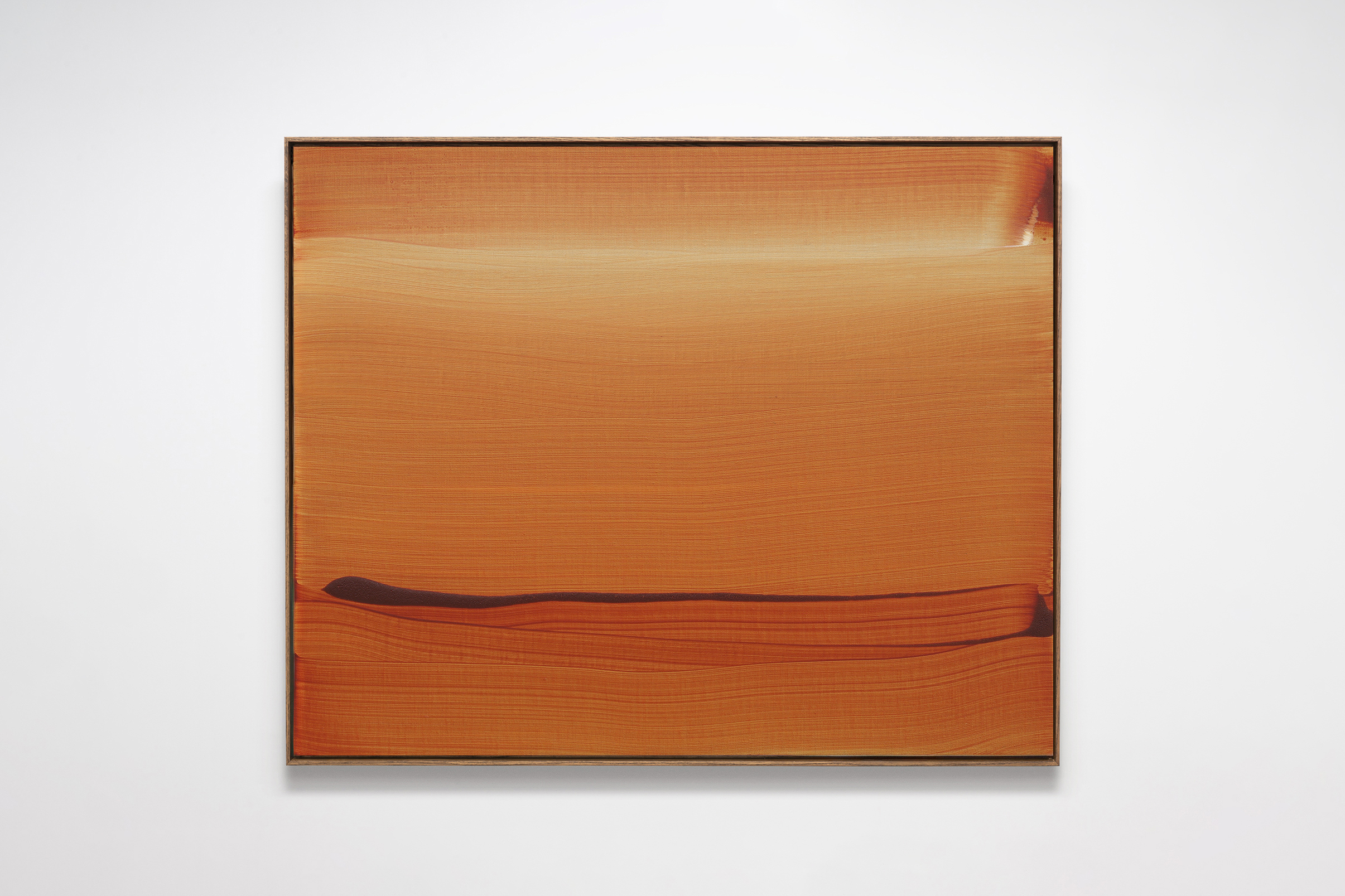
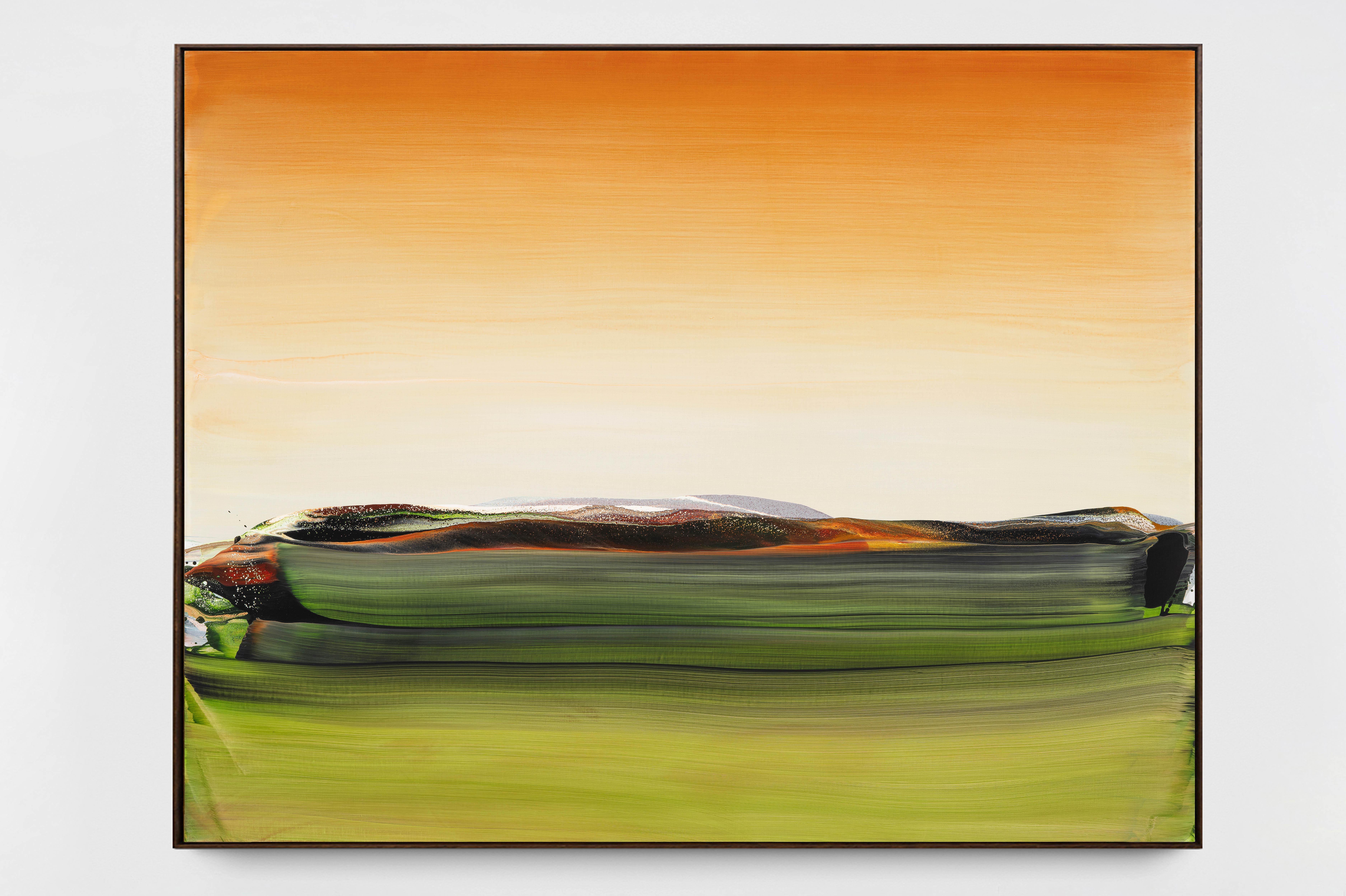
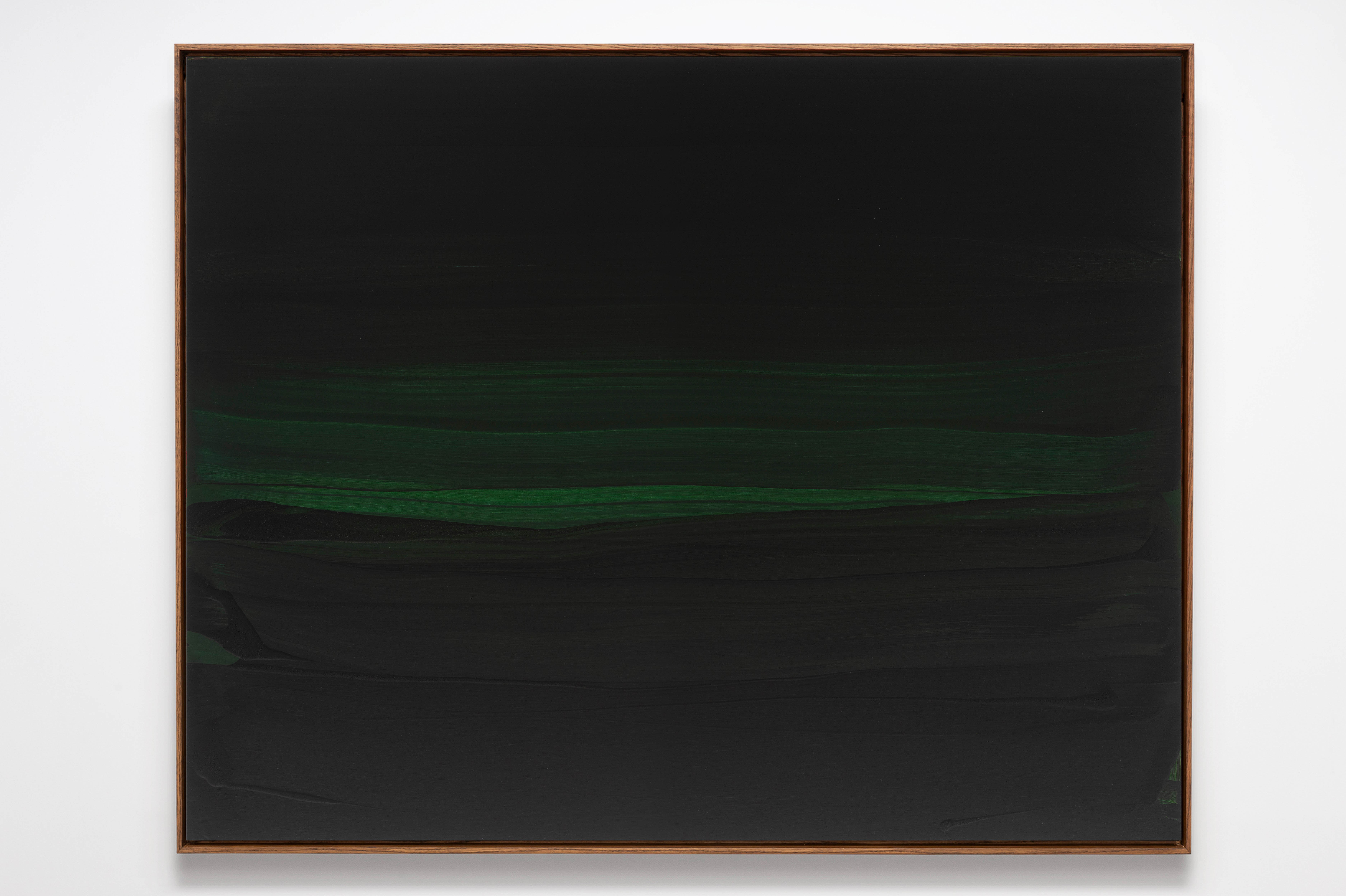
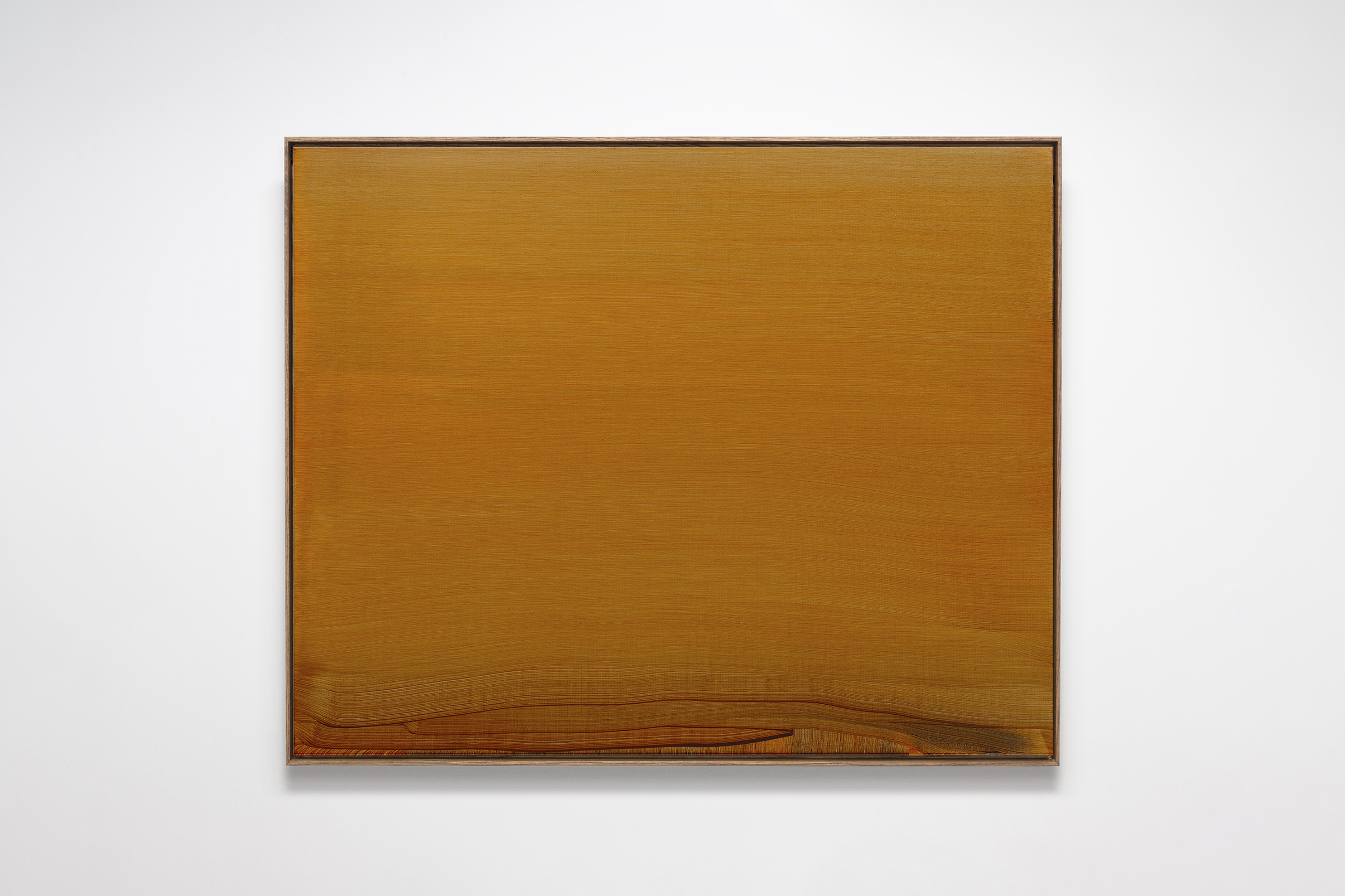
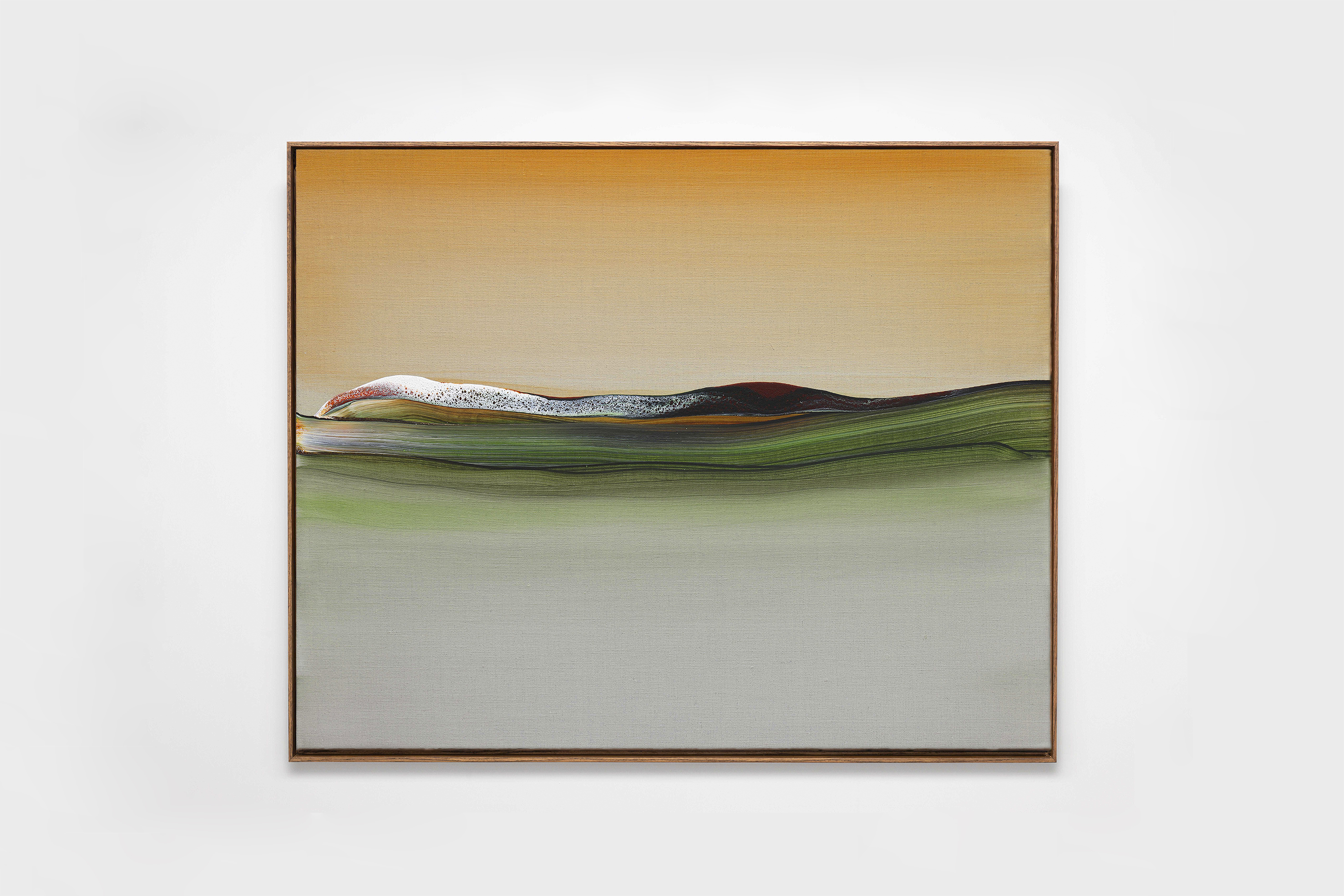
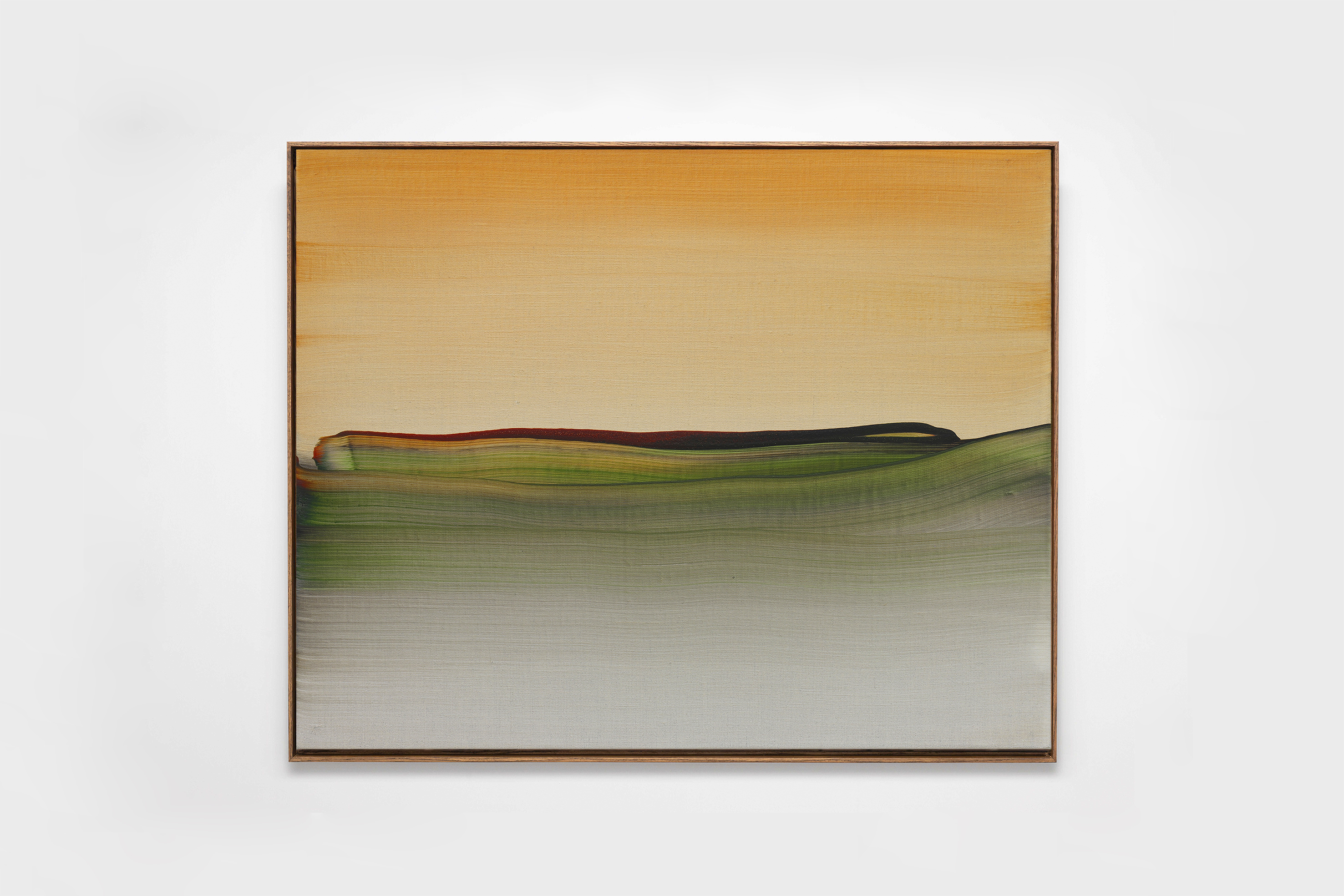
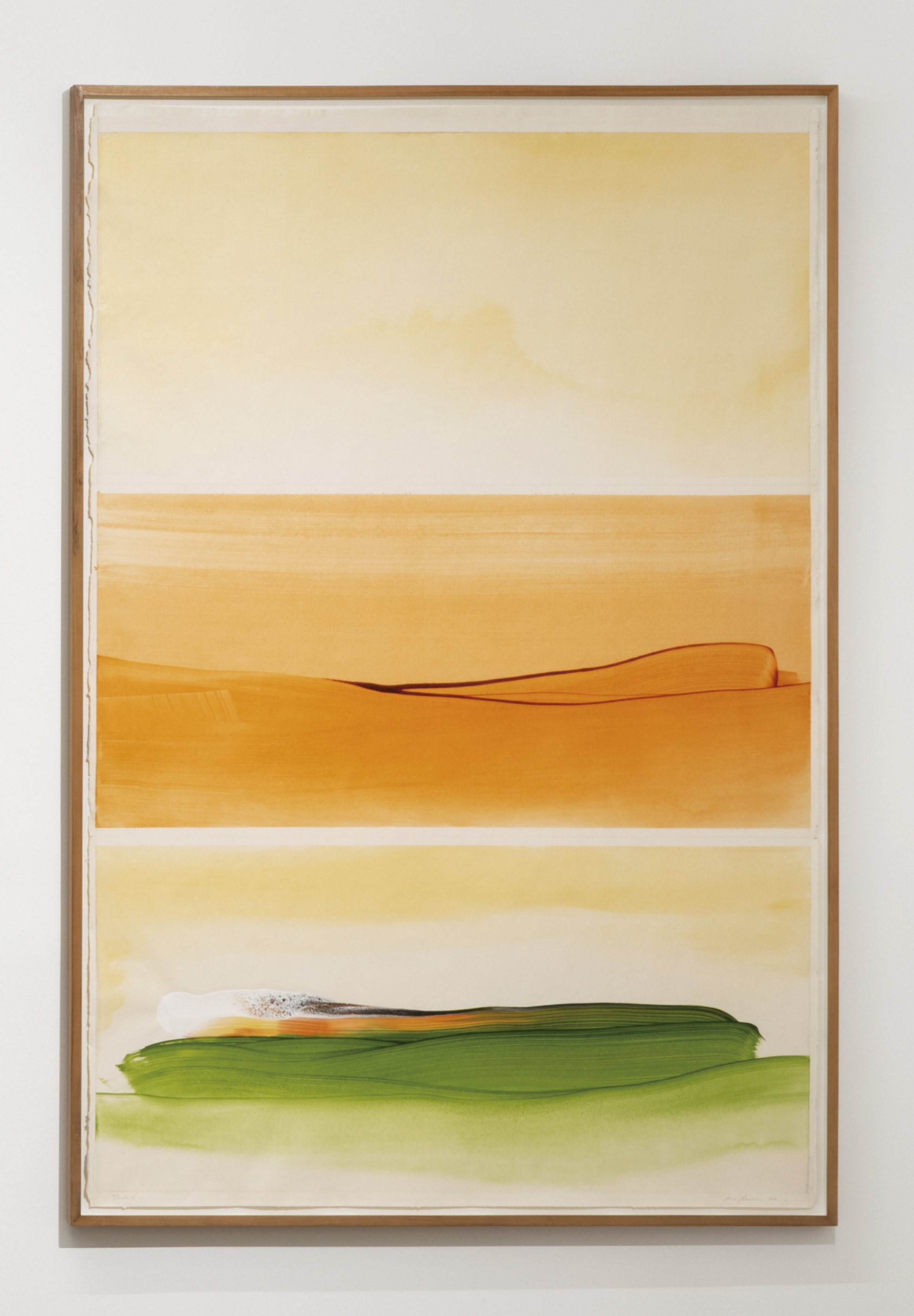
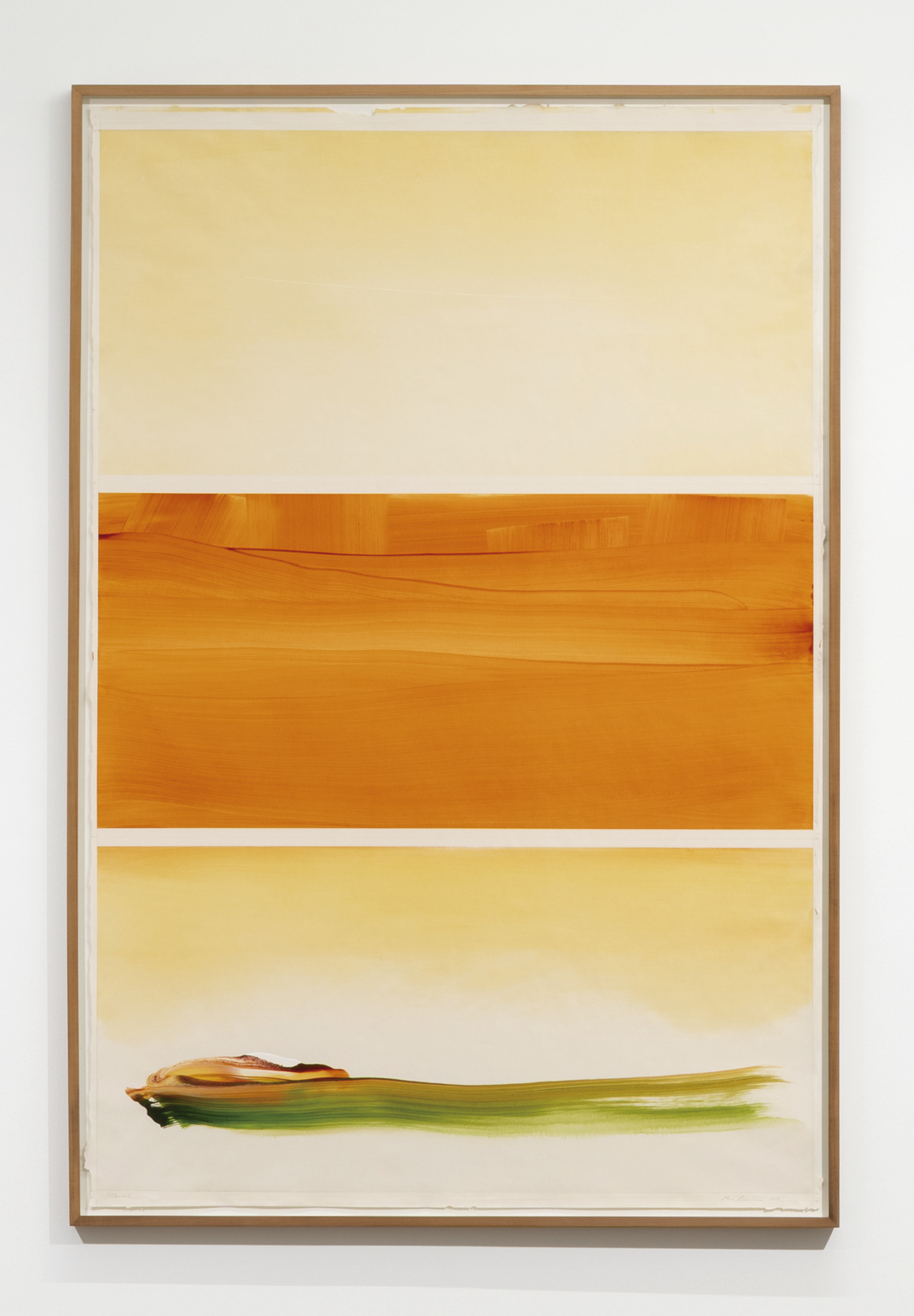
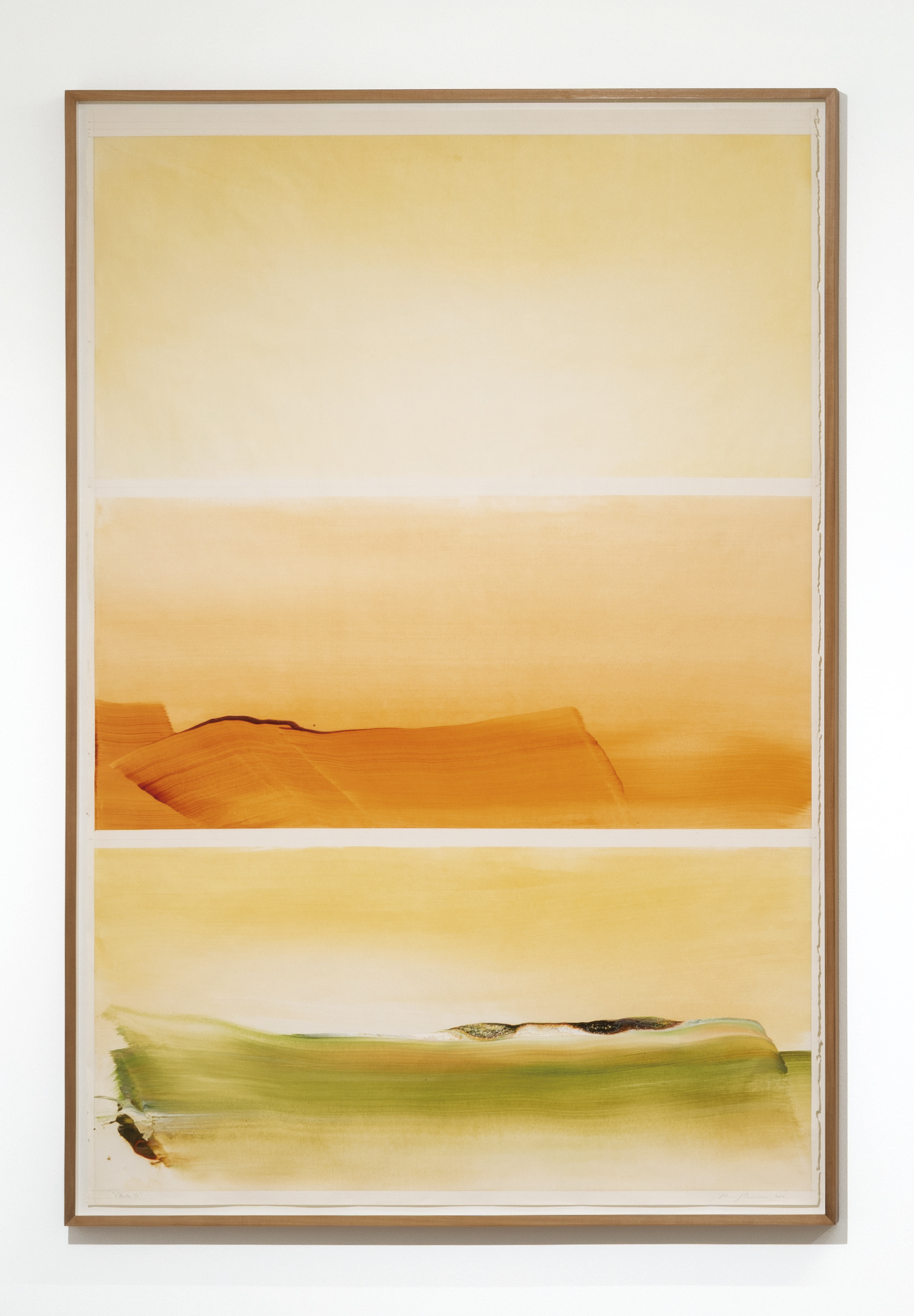
Time is not something we can observe directly. It becomes visible through its consequences: in the force with which it shapes stones, rocks, and entire mountains, in the channels it carves into a riverbed, or in the layers of paint that build up on a canvas. In Piedras Sobre Agua, Nico Munuera’s new solo exhibition at Galeria Pedro Cera, this otherwise intangible force becomes apparent through his paintings. Time is not depicted as a subject but reveals itself in the physical conditions through which the artworks come into being.
In the elements of stone and water, the guiding elements of this show, two distinct forms of temporal expression can be discerned. Time can be read within a stone: in the layers accumulated over decades and centuries, in the movement of matter, and in the marks left by erosion. Geologists therefore describe stones not as nouns, but as verbs, as their forms are never simply given, but are constantly transformed. A stone is not a timeless object that simply outlasts time, but a bearer of deep time, in which traces of what came before remain present within what we see now. Water seems to offer an almost opposite expression of time. It flows, is constantly in motion, and resists being held in a fixed form. As it moves, it carries the earth with it, slowly eroding whatever it encounters and carving its path through the landscape. A single passage can cleanse, carry away, and erase; yet through its continual return, water also inscribes its movement into the matter it touches. The riverbed, the ravine, the smallest stone shaped by its flow, all bear witness to a presence that has long since passed. Water carries things away, but its passage leaves traces behind: what it moves through retains a memory of its presence.
This distinction leads to the difference between timelessness and timefulness. Timelessness suggests an escape from time, a state that remains untouched by its passage. A landscape that has unfolded over hundreds or thousands of years, however, suggests the opposite: an abundance of time. Its various forms have not simply vanished into the past but remain condensed in the present. To experience such a landscape is to encounter an infinity of moments all at once. In a similar way, Munuera’s paintings contain more time than their apparent stillness would suggest. He works with heavily diluted and sometimes thick acrylic paint, building up the surface in layers that take days to dry and subtly transform as they do. The paint accumulates and changes in relation to itself as new layers are added. As it dries, it can take on forms reminiscent of geological formations, such as the surface of a piece of limestone Munuera kept in his studio while painting. What remains is a fossil-like form that emerged from something once liquid and in motion: movement has become a record, carved into matter.
The two locations featured in the exhibition are in line with these aspects. At Ryoan-ji, a 15th-century Zen garden in Kyoto, water has never flowed, mounded gravel and stones take its place, what Munuera himself described as “water that is stone.” He knows the garden only from photographs and books. The Rambla de Romí near Lorca in Murcia is not a figment of the imagination, but a memory: a dry riverbed where Munuera spent the summers of his childhood, often alone, in a barren and rocky landscape. There, too, water is real as it has shaped the landscape but is now almost entirely gone. One place emerged around the idea of water while the other is defined by its absence. Neither appears directly in the paintings. What they leave behind instead is a way of thinking: that presence and absence are never fully separate, and that a place can persist even when what once defined it has disappeared.
The paintings are therefore not timeless, but rather bound by time. Their stillness is not an absence of movement, but instead the state that is achieved when movement has left its mark over the course of time. In Piedras Sobre Agua, water flows through the work and disappears; the stone remains and remembers. Between the two, Munuera finds a form in which movement becomes matter, and matter remains full of time.