to vanish
Ilê Sartuzi
to vanish
Madrid
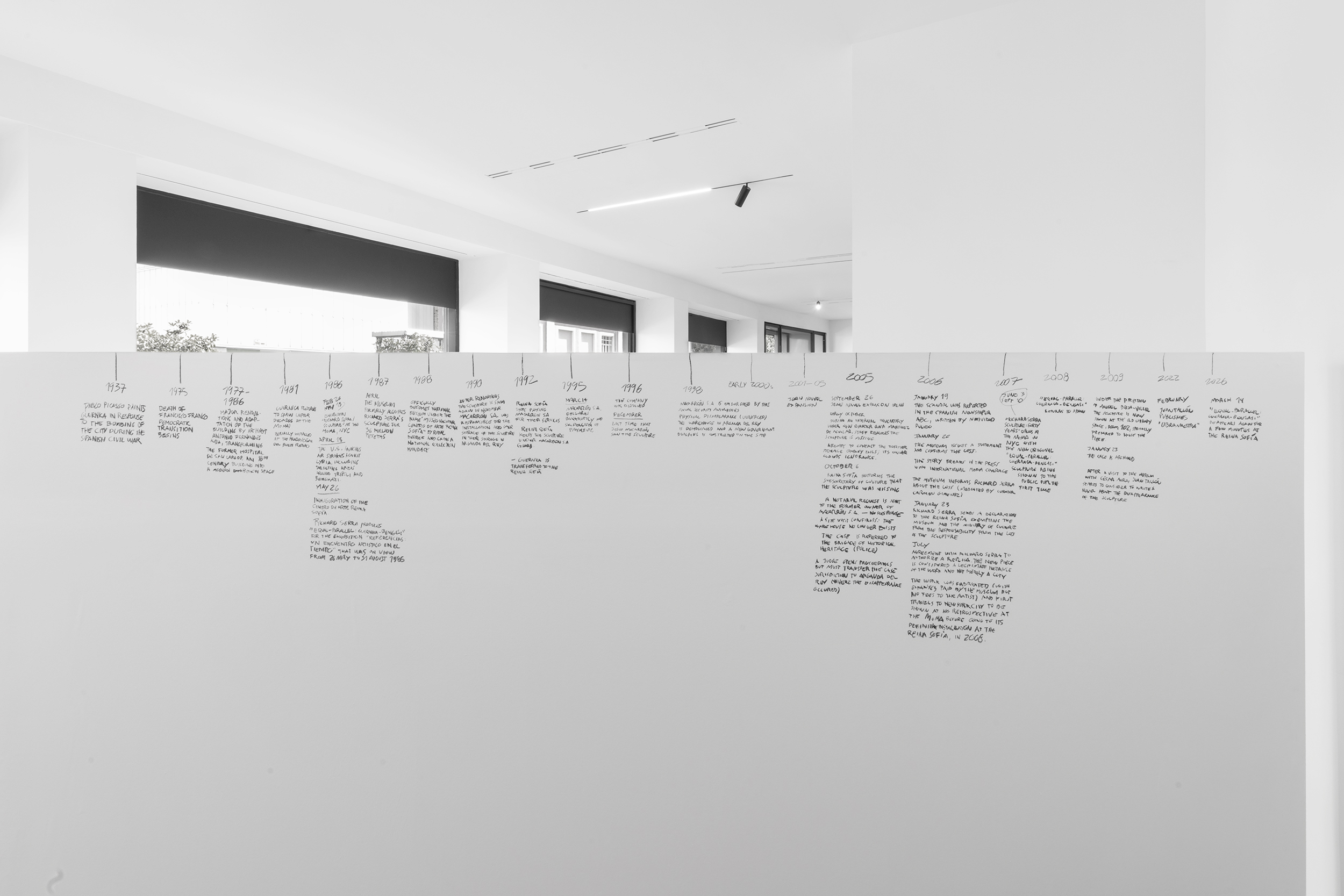
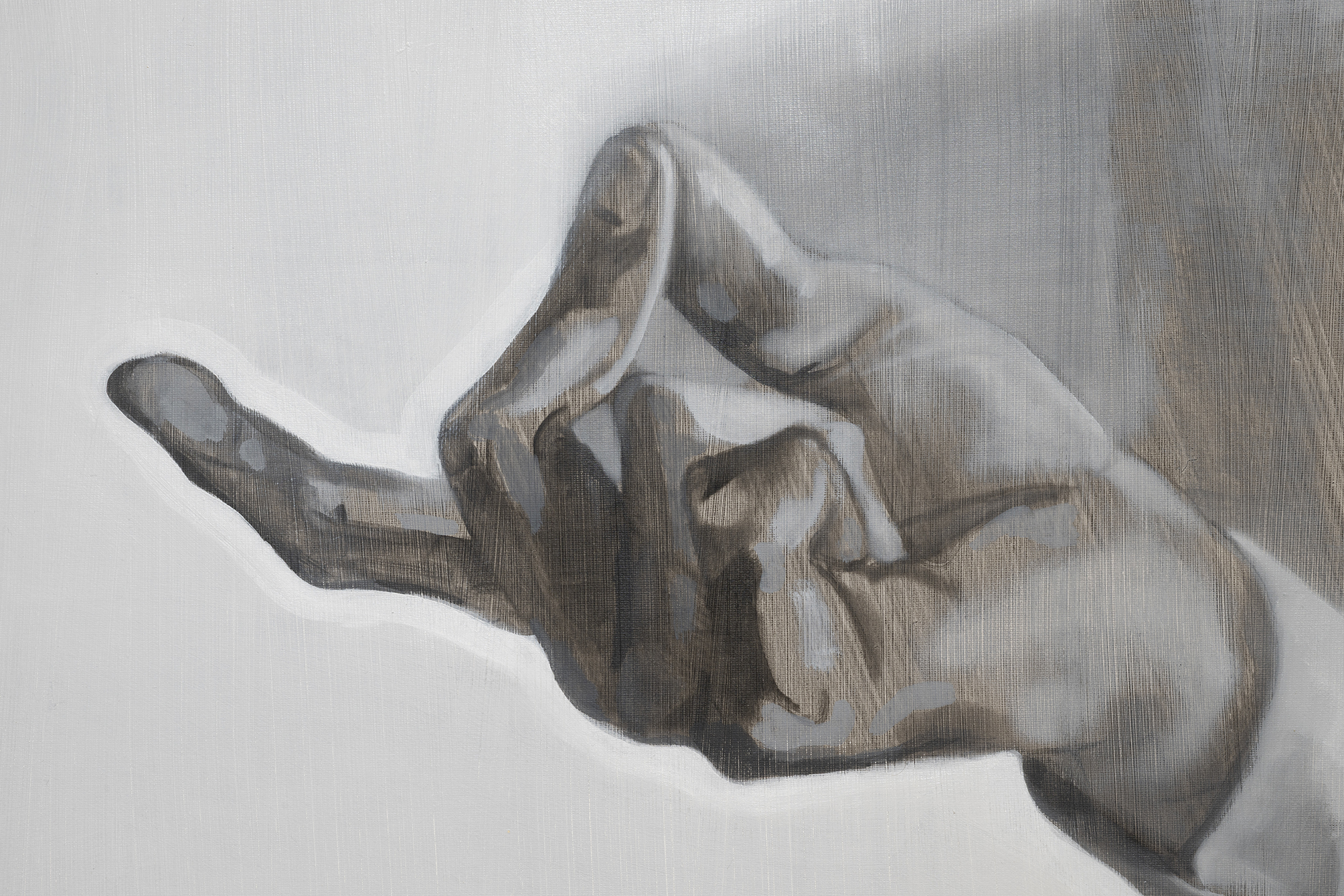
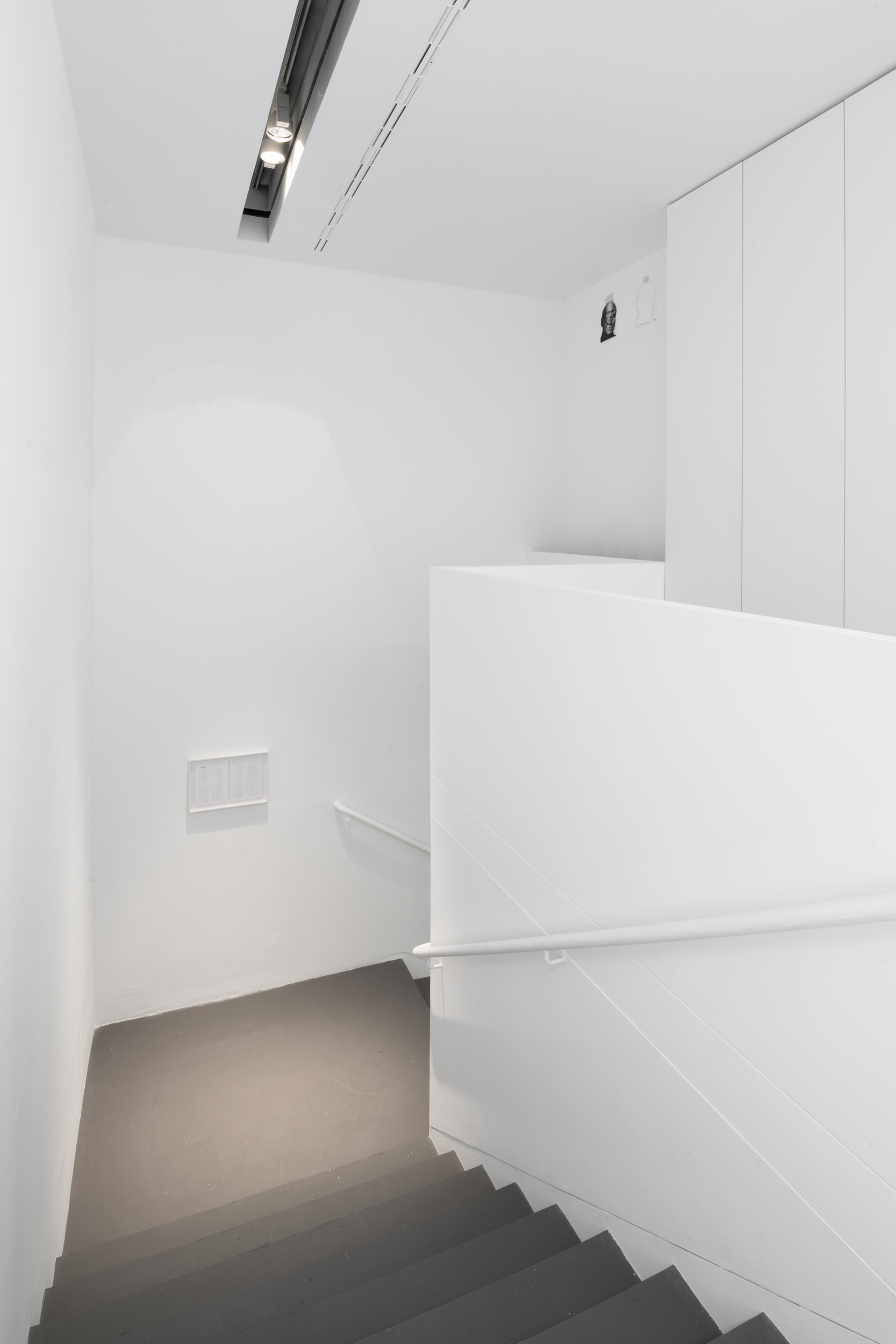
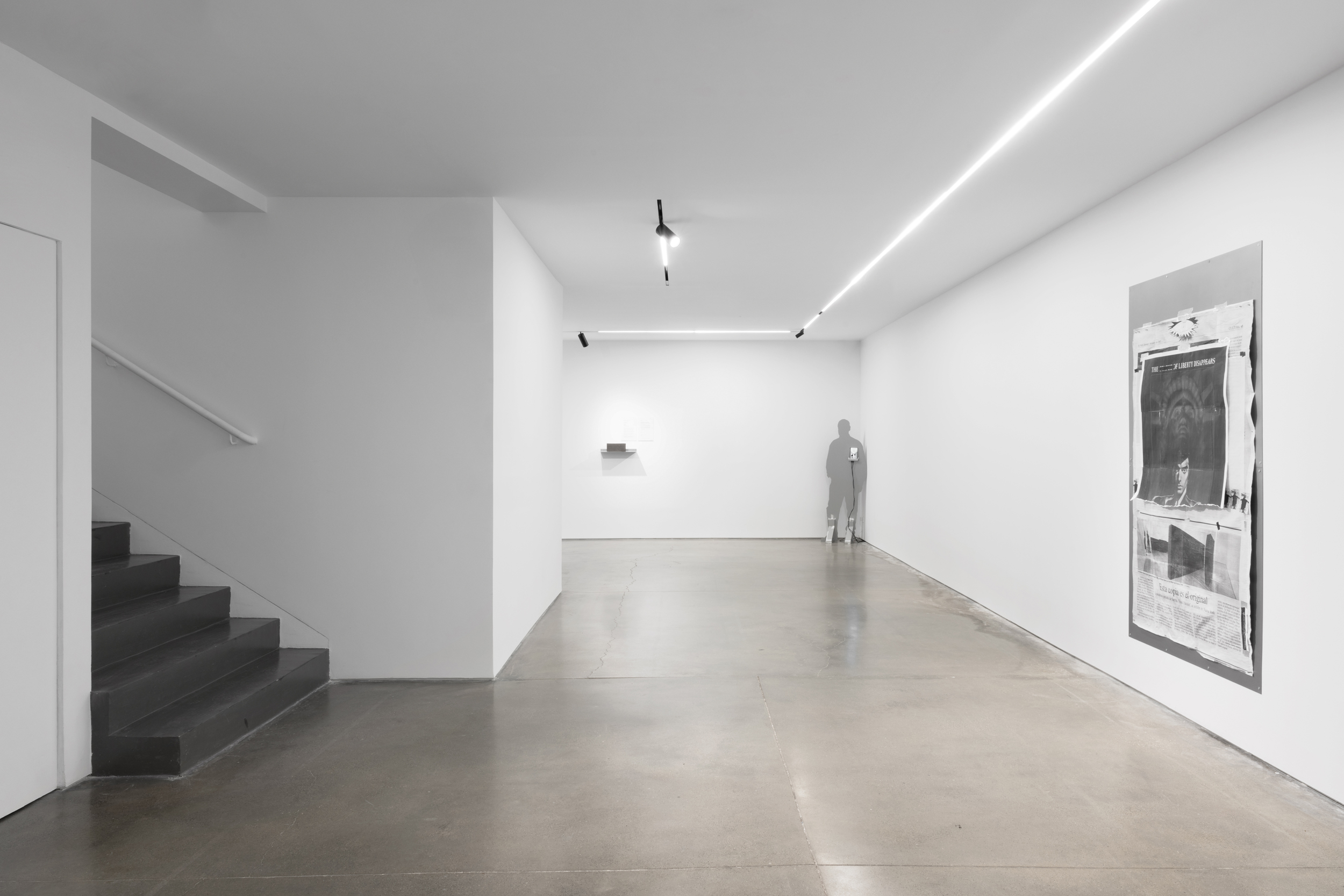
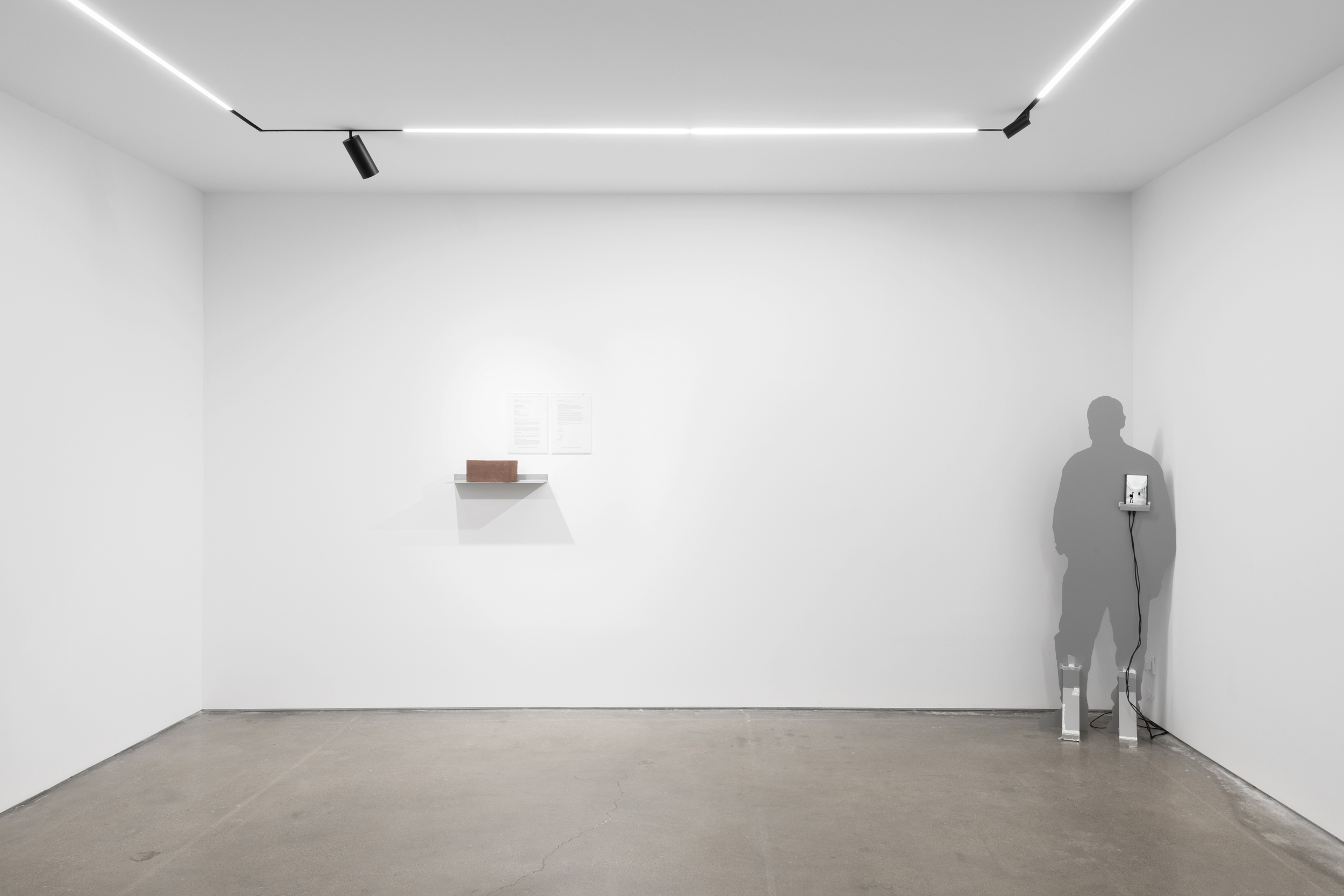
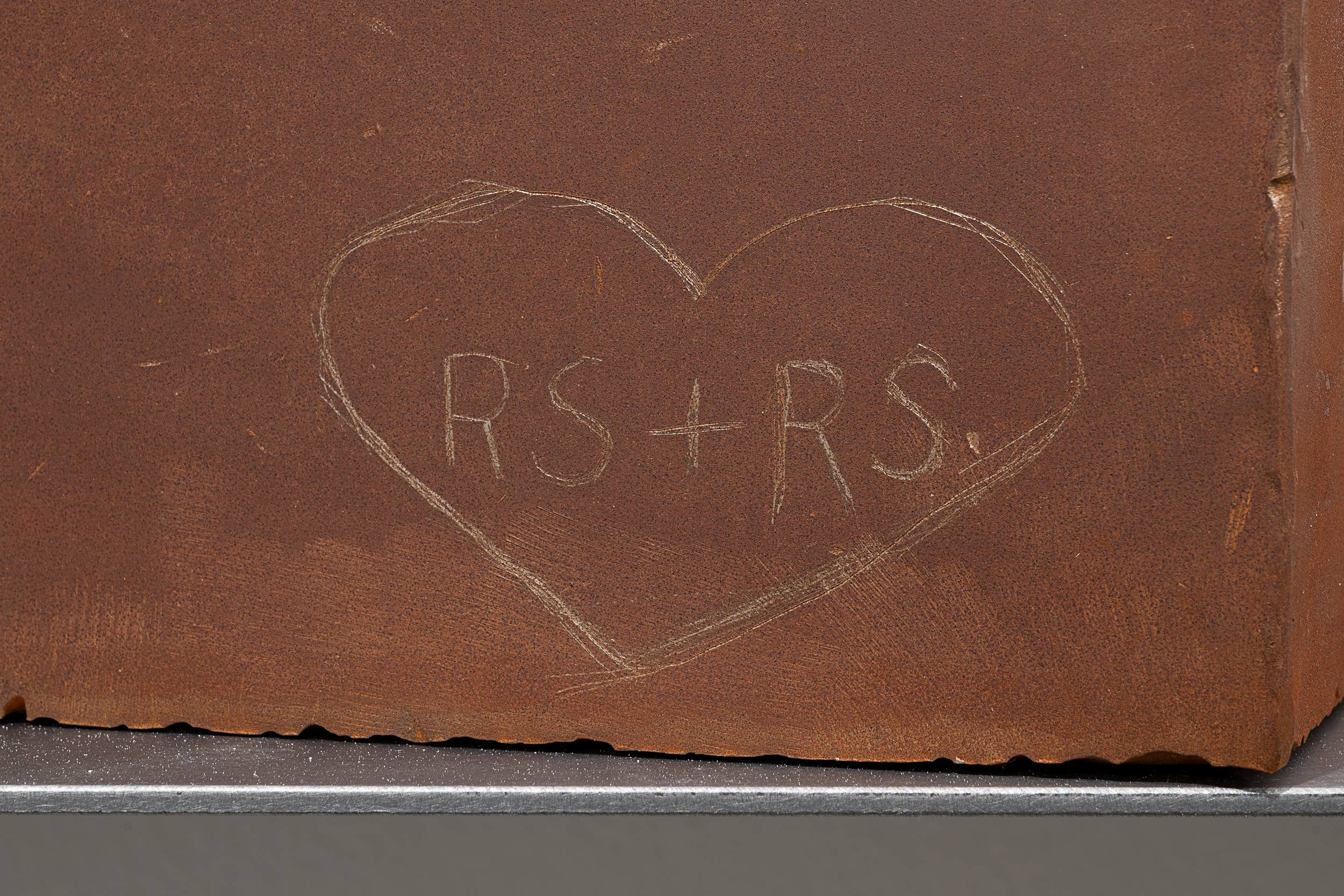
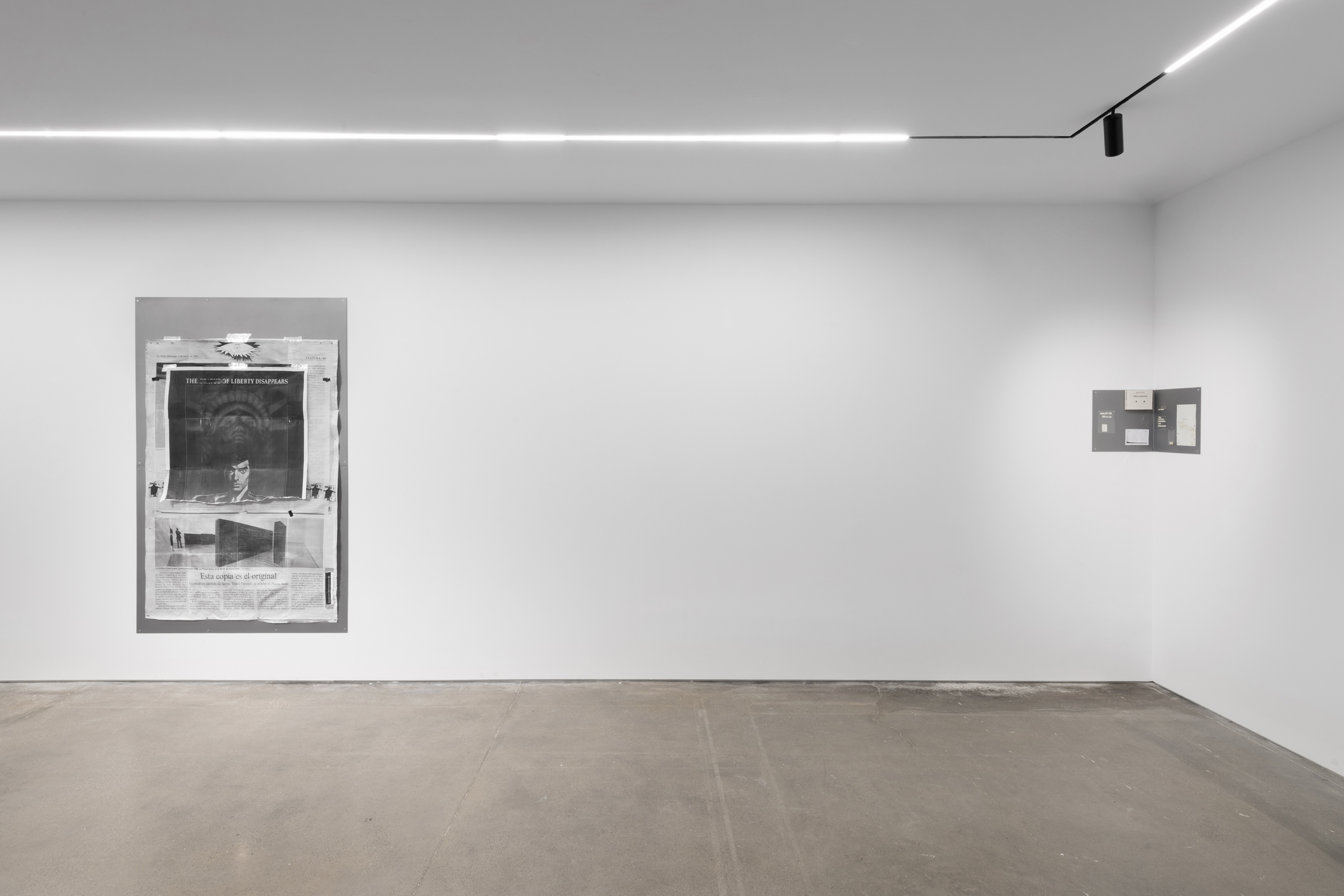
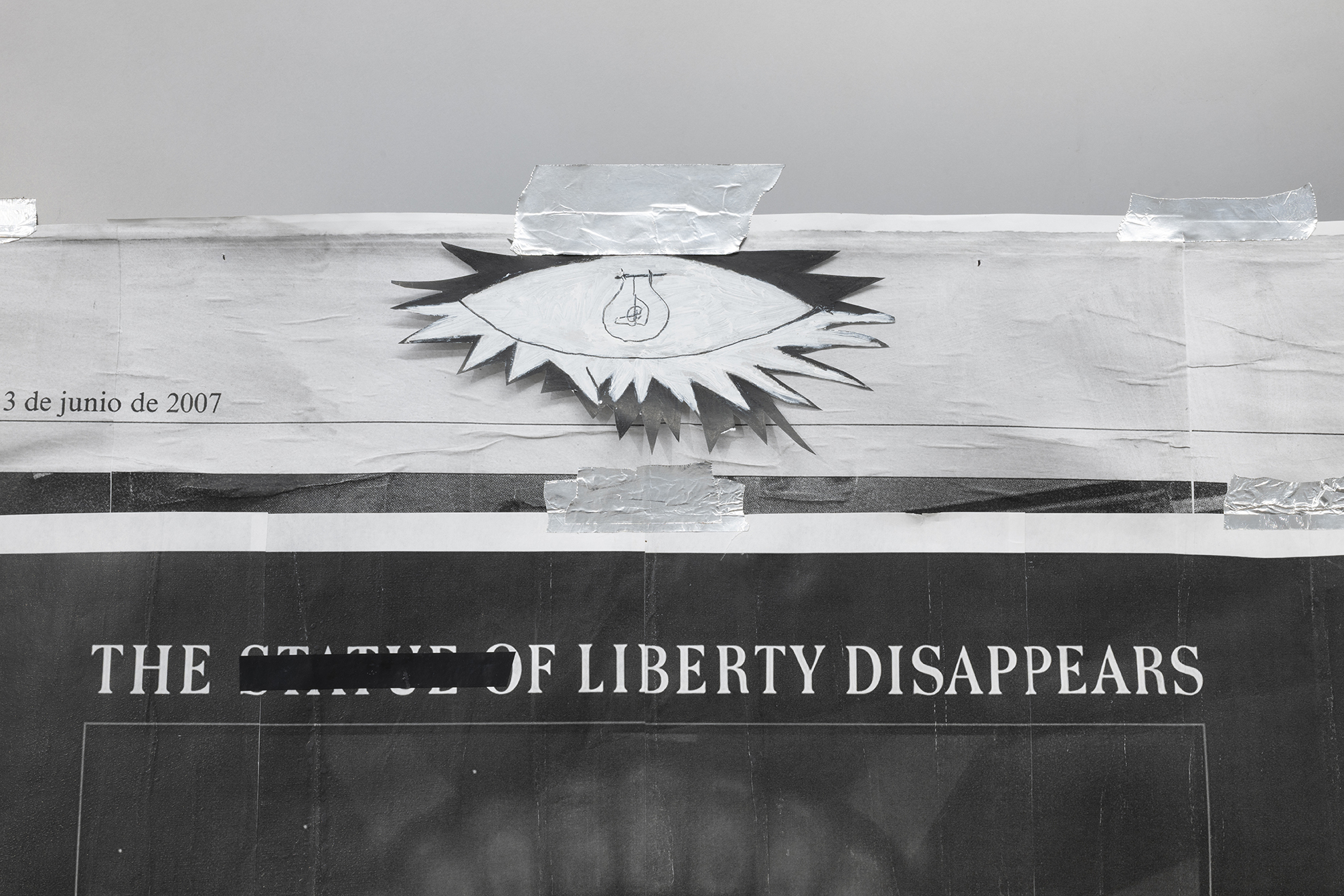
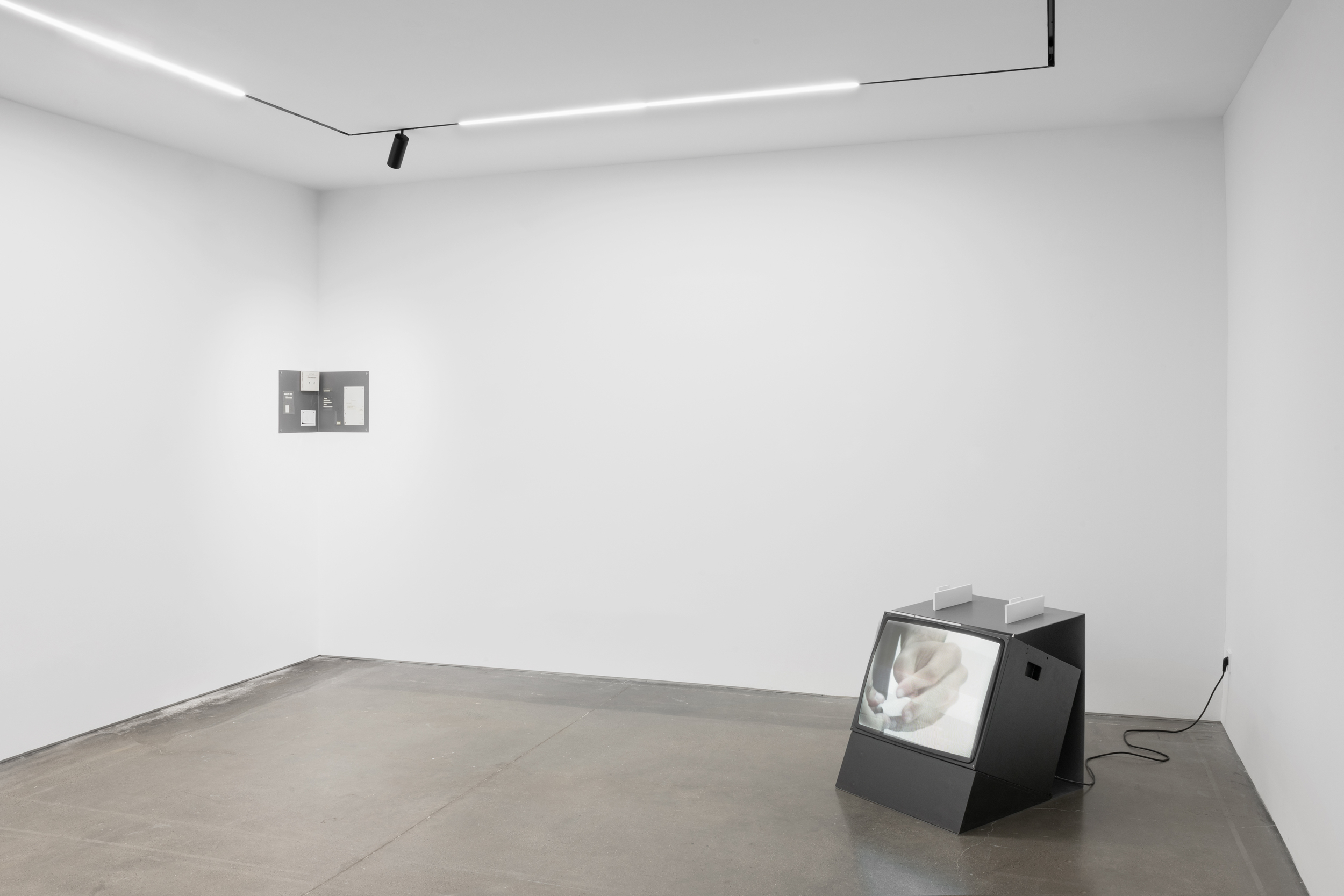
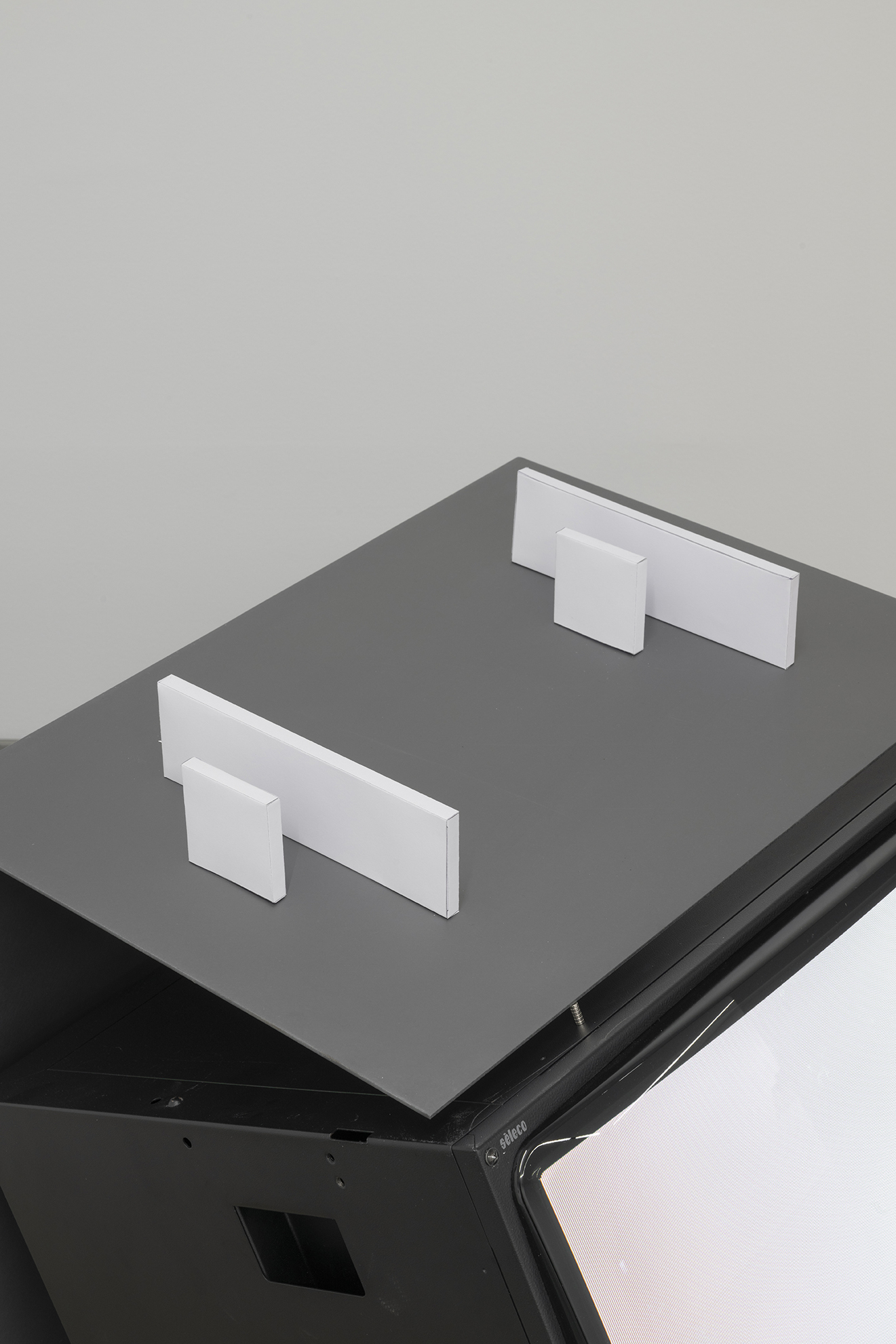
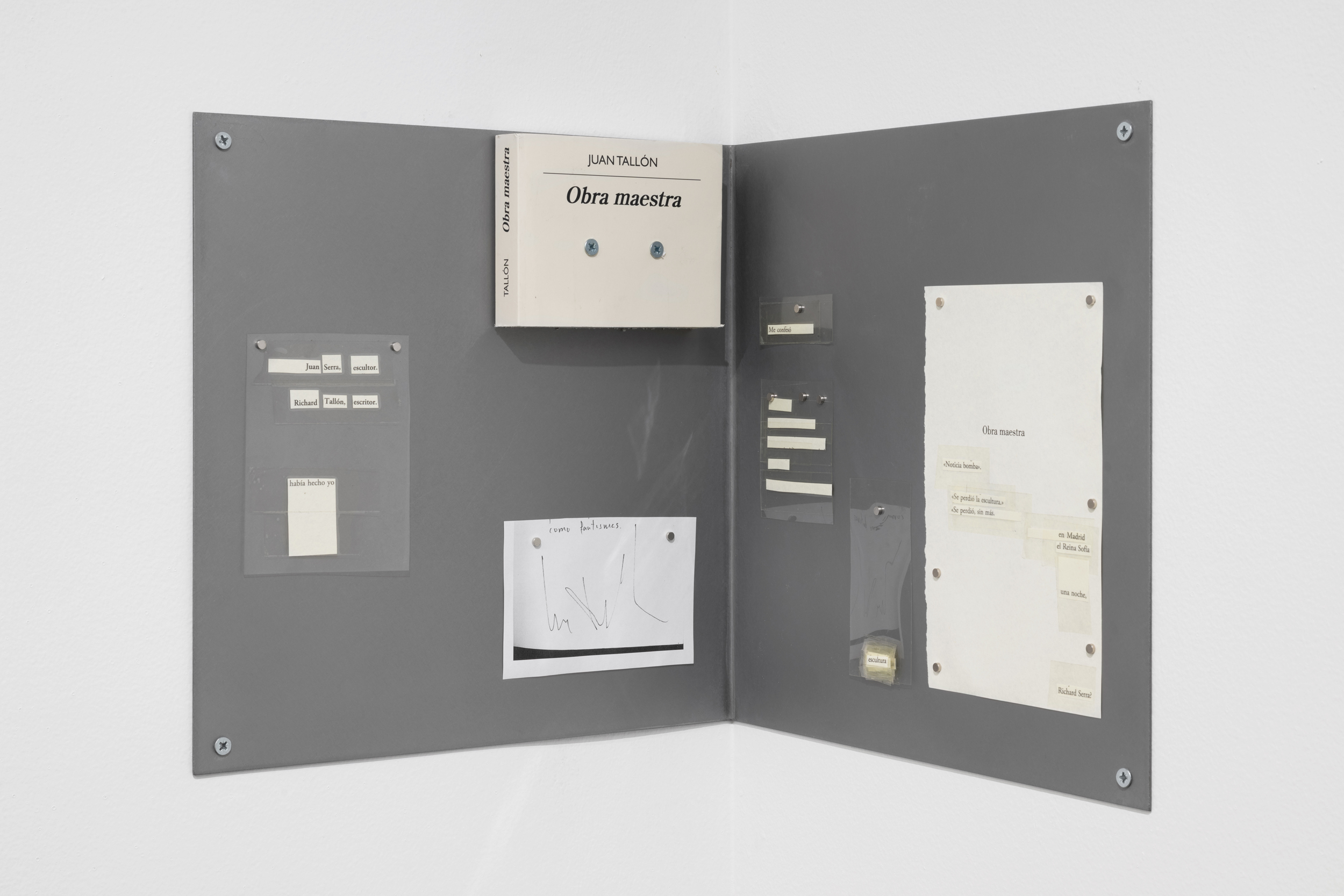
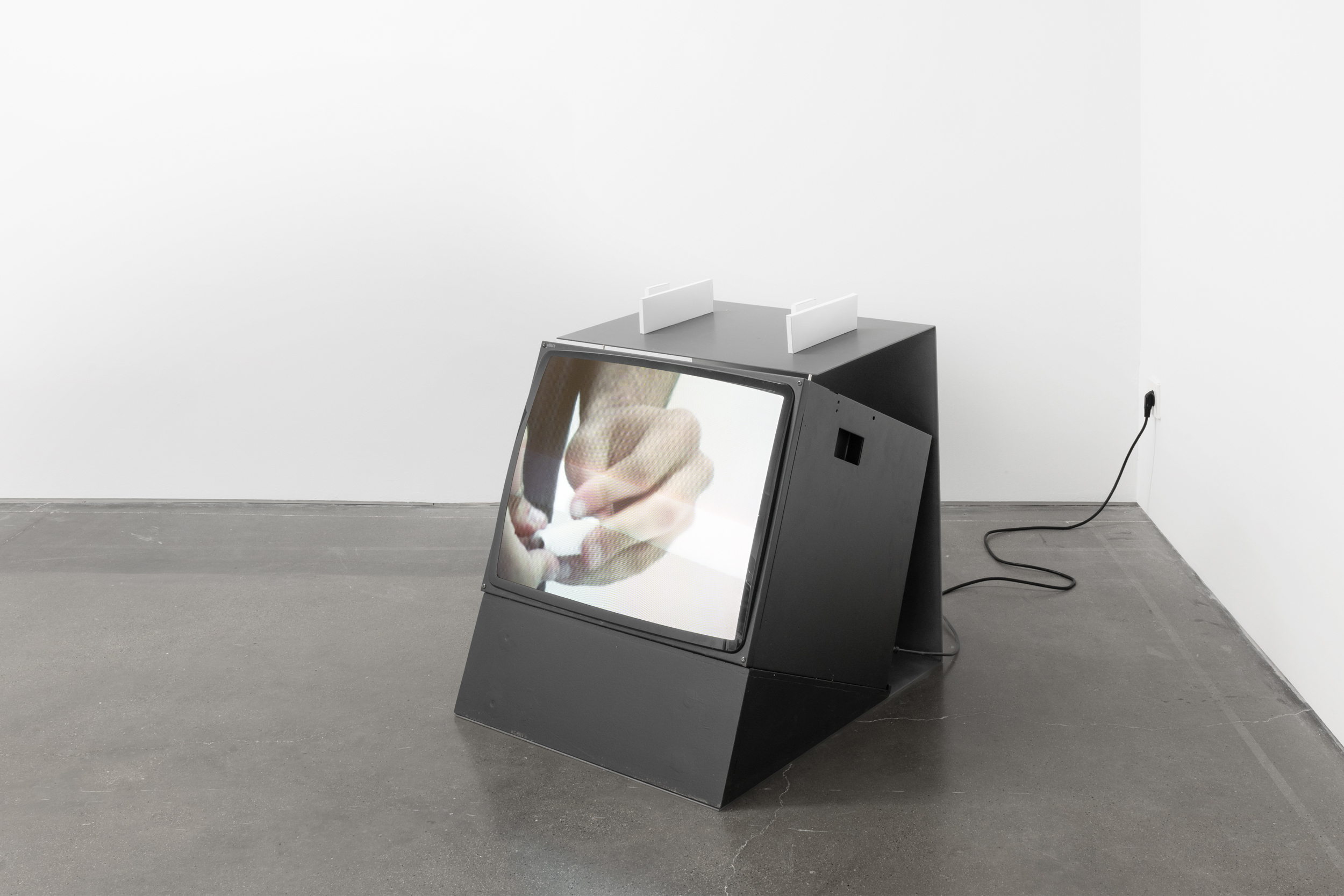
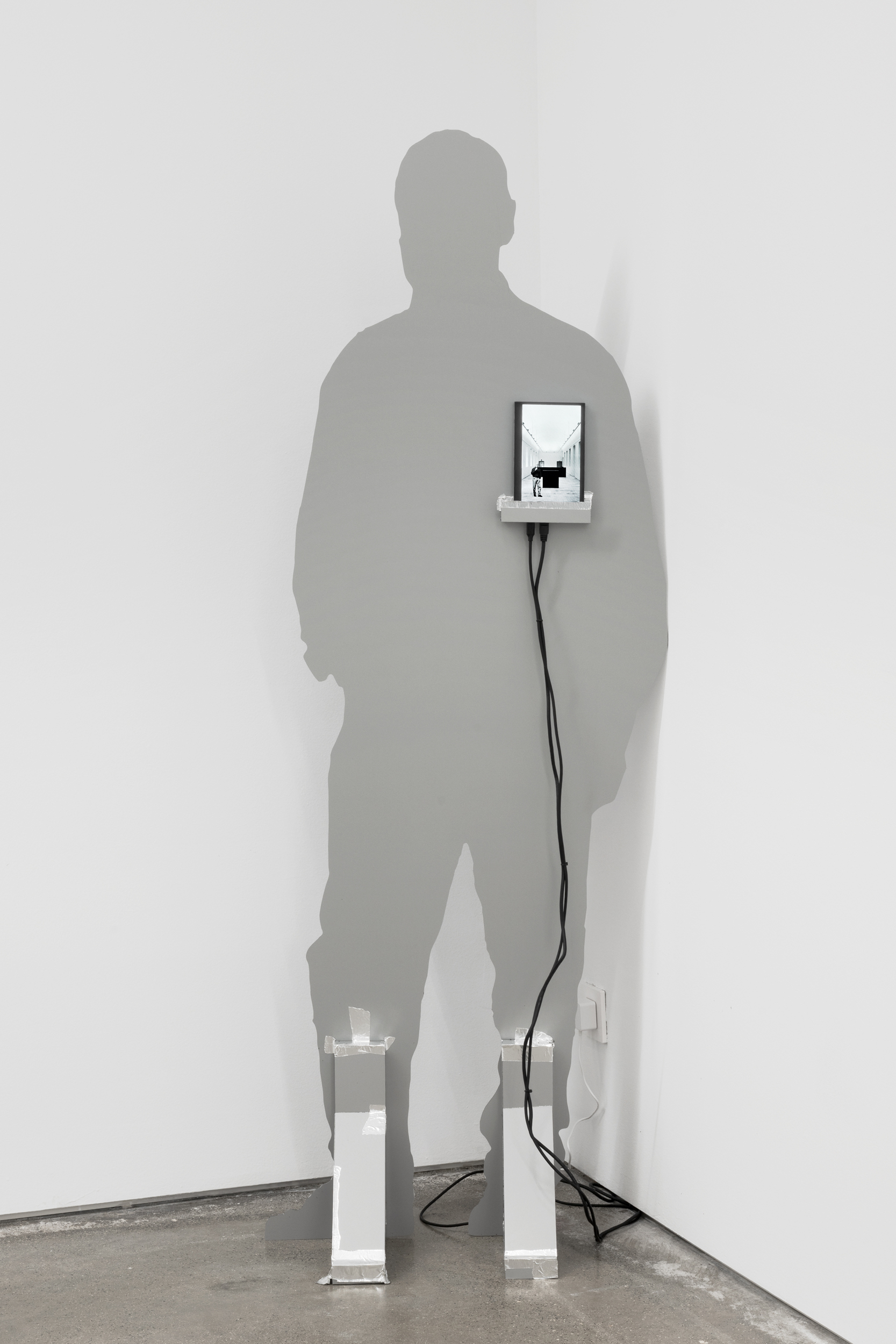
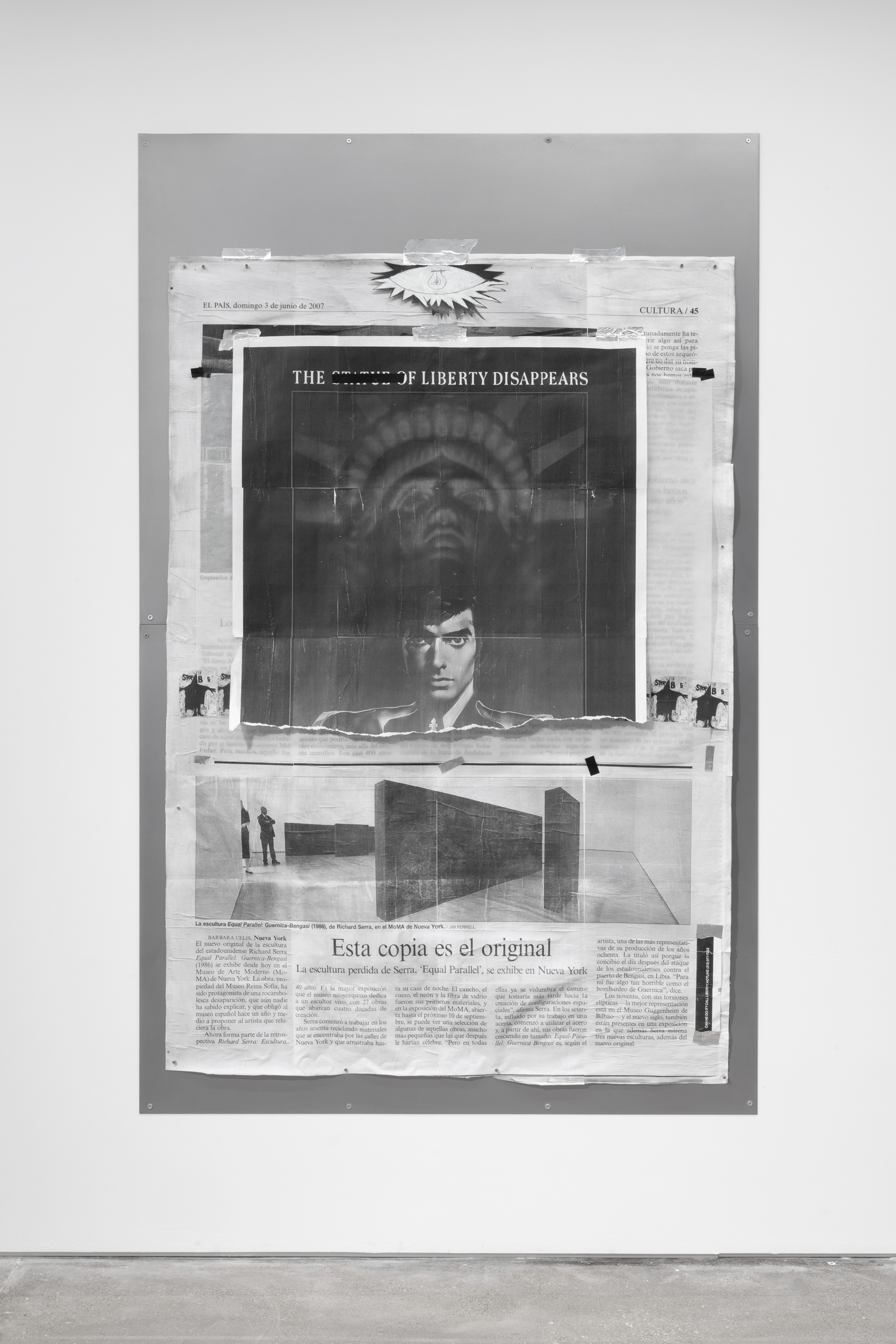
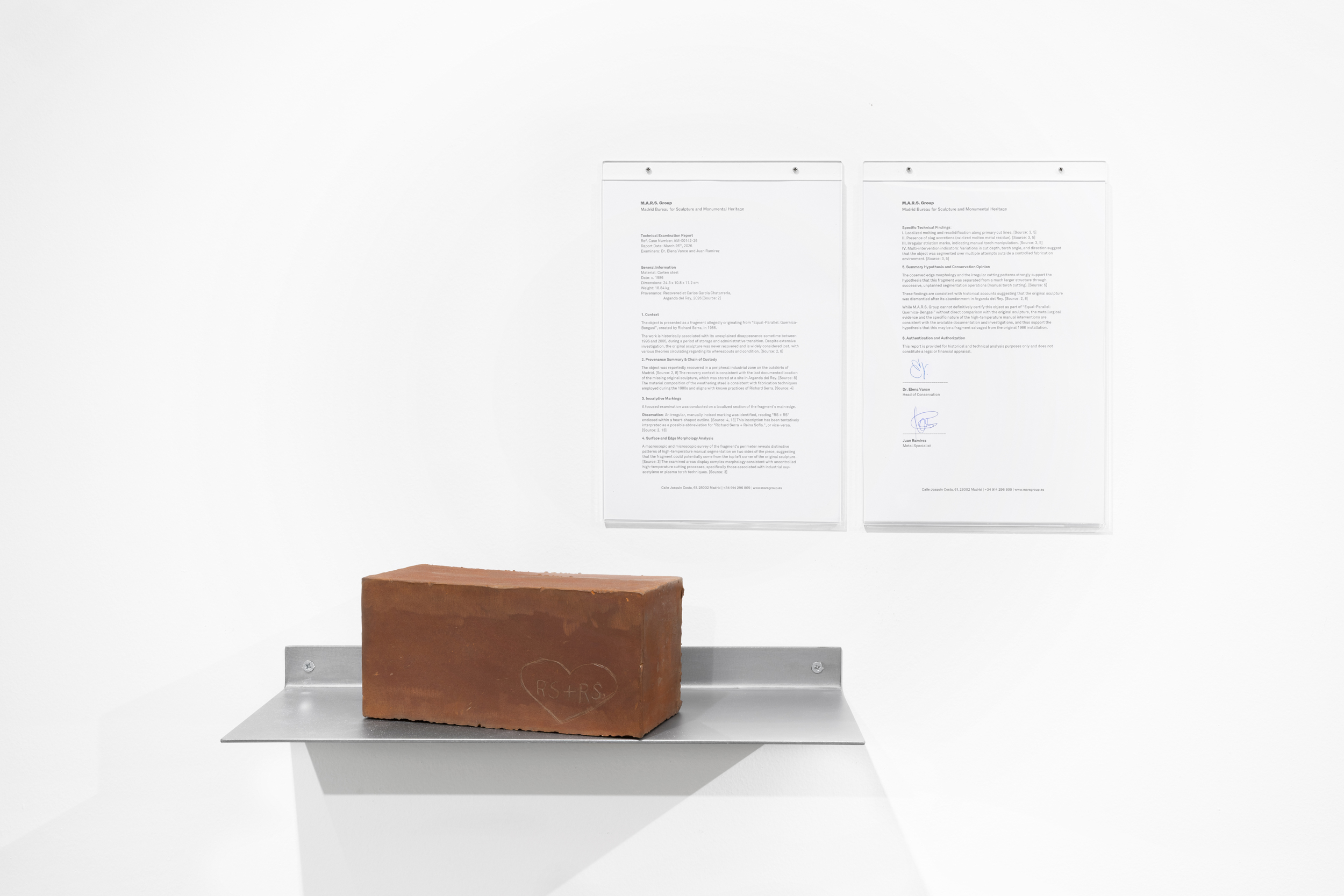
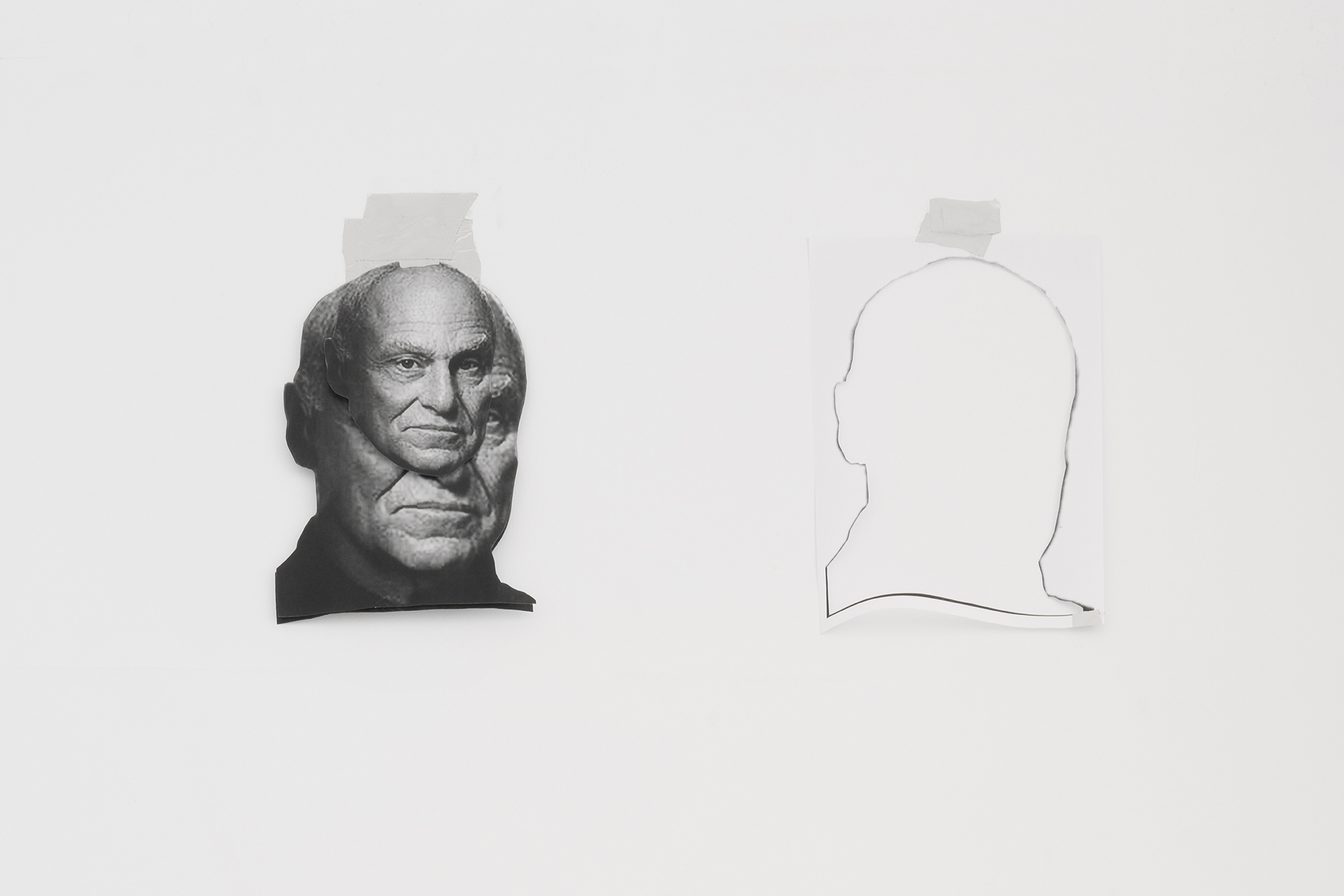
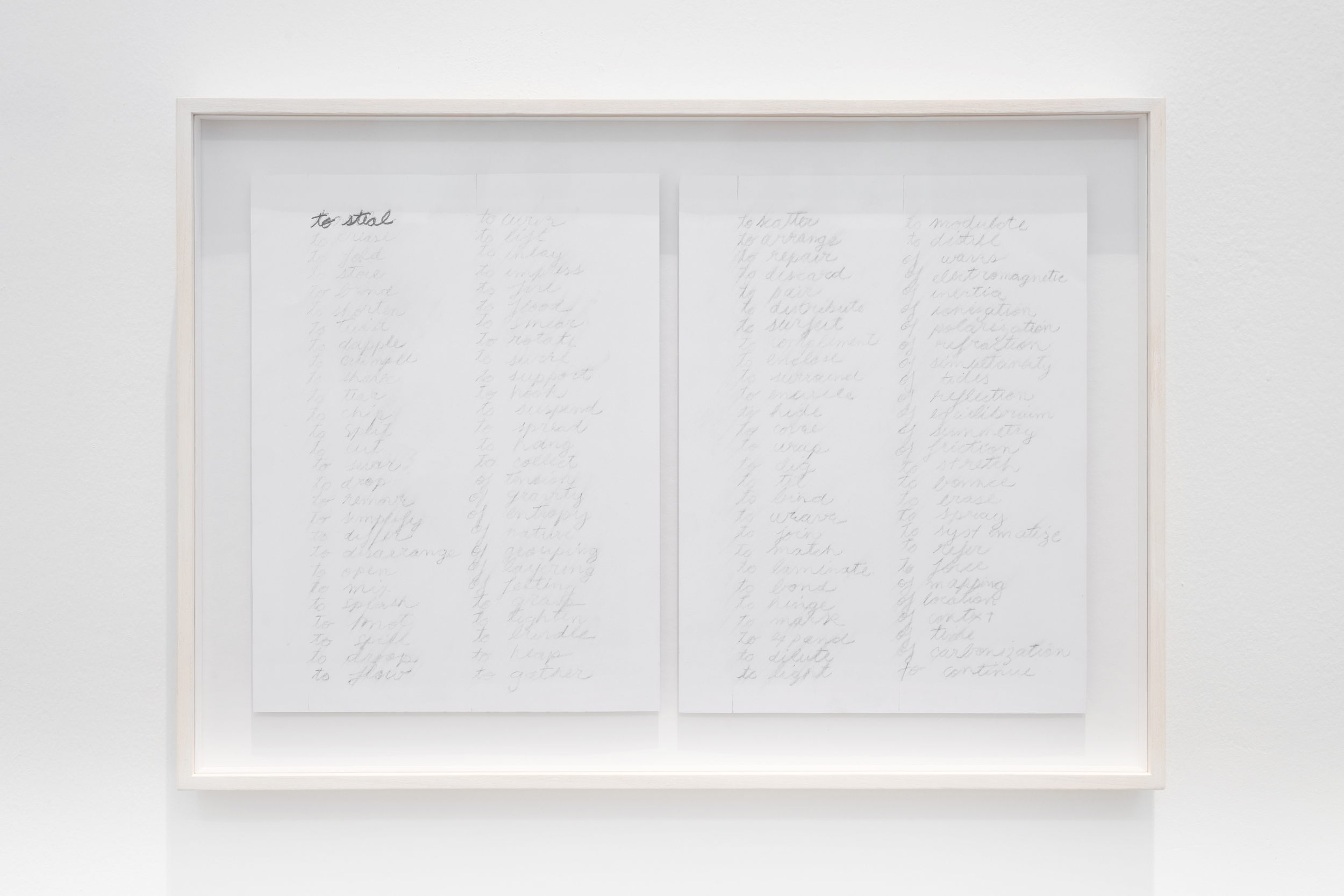
For the opening of the Centro de Arte Reina Sofia in 1986, Richard Serra produced “Equal - Parallel: Guernica- Bengasi”. The sculpture was acquired by the institution in the following year and exhibited again in 1990. Shortly thereafter , it was placed in storage under the care of Macarrón SA. In 2005, amid a systematic review of the museum’s holdings, the institution attempted to trace the sculpture’s whereabouts, only to discover that it could no longer be located. Thirty- eight tons of corten steel had vanished in thin air. Despite the long inves tigations, the original sculpture was never recovered. The artist agreed to fabricate a replica, that is now the ‘ original’ , currently on display at the institution.
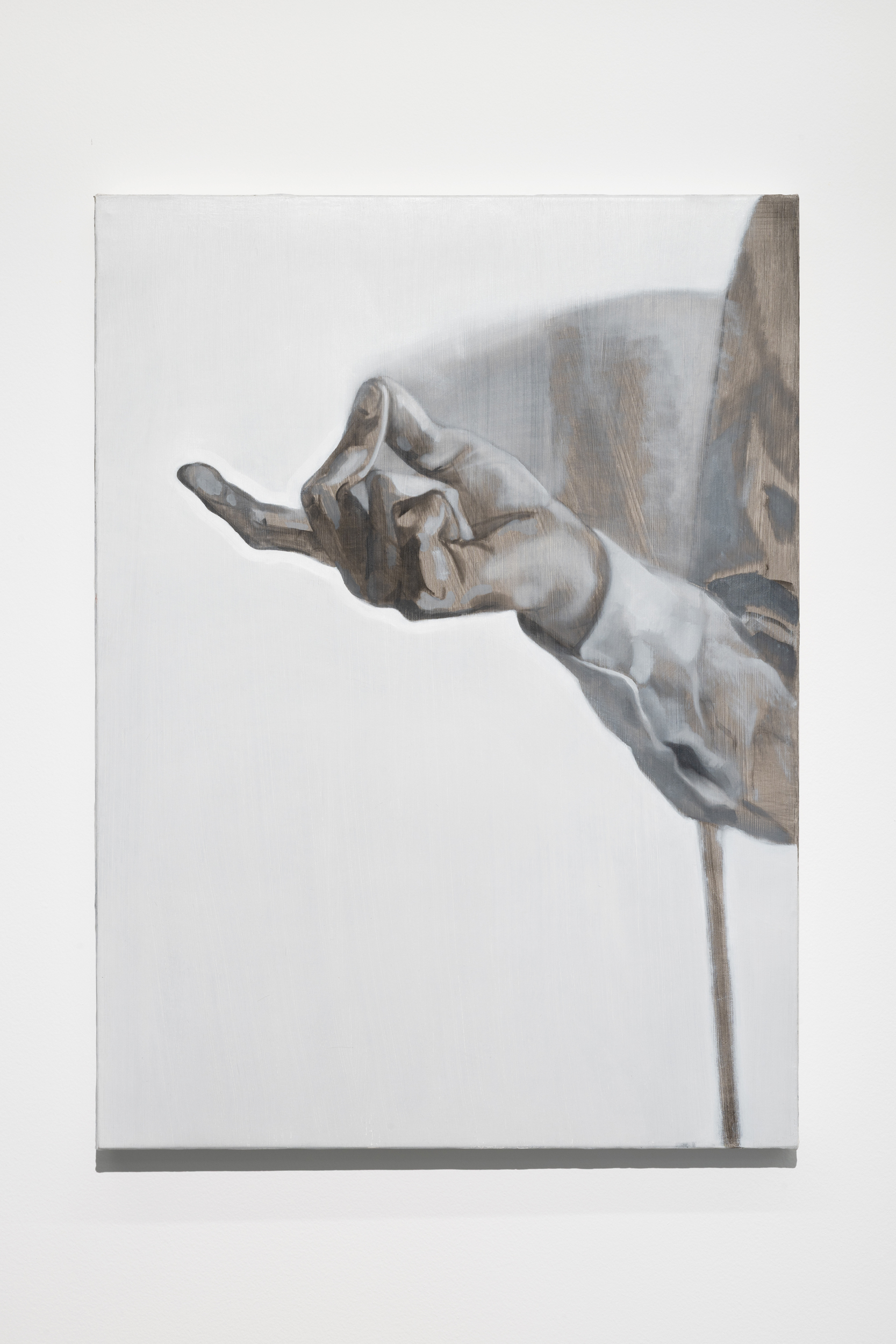
This condensed account serves as the point of departure for the new exhibition by Ilê Sartuzi at Pedro Cera. The Brazilian-born, London-based artist—known for his investigations into institutional frameworks and art-world related tricks—presents a new body of work developed around this unbelievable case. Playing with the notion of ‘parafiction’, presenting propositions that operate between fiction and reality, the exhibition explores multiple strategies for making things disappear. The artist proposes a series of overlapping and at times contradictory readings of the Reina Sofia case, while simultaneously testing possible methods through which the sculpture could vanish once again.
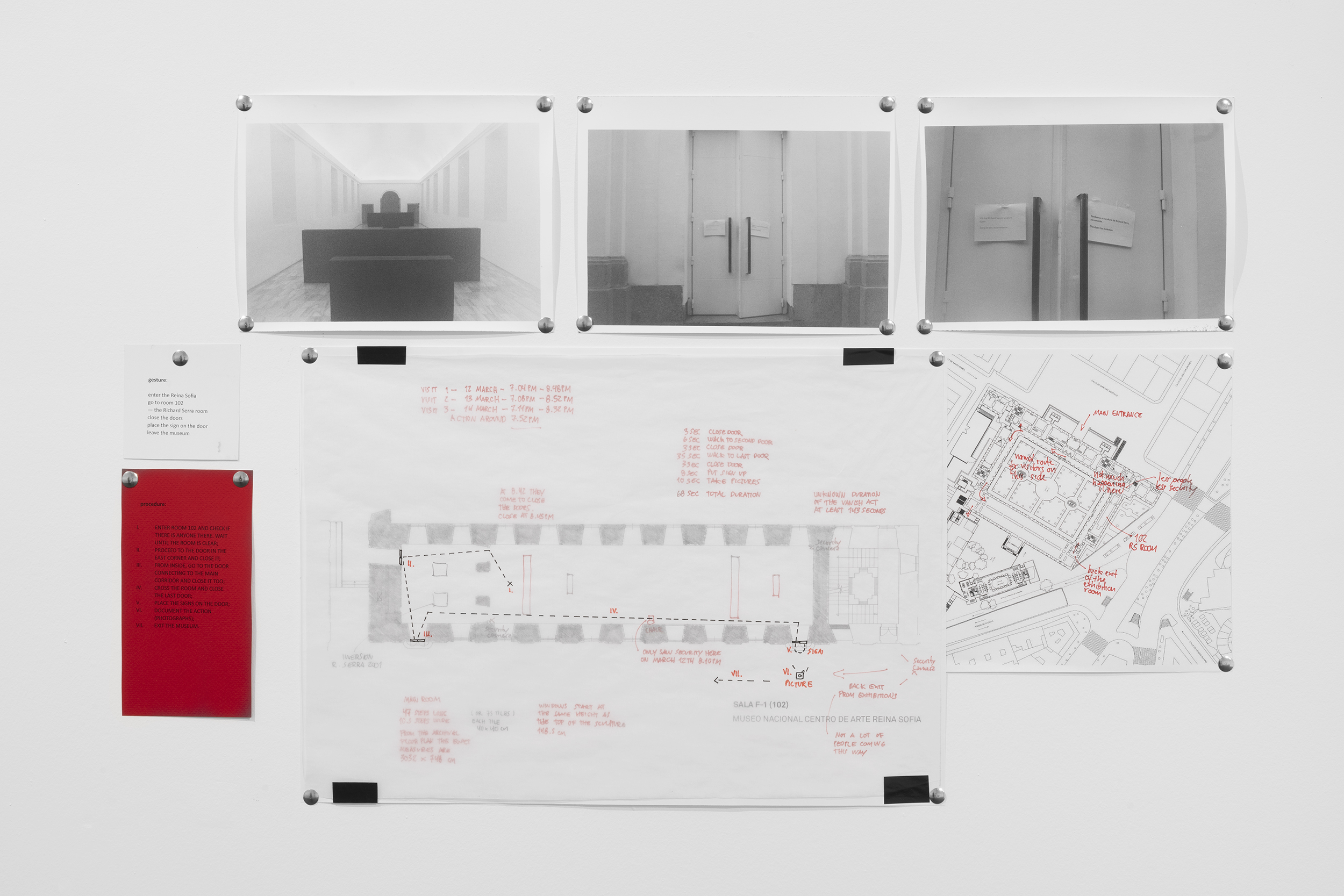
As part of the project, the artist undertook a direct intervention. After several days observing the routines, operations, and security protocols of the museum, he devised a minimal action, temporarily making the thirty-eight tons of steel to disappear, yet another time. On March 14, a Saturday evening, the artist entered the museum with a number of other visitors during the museum’s free admission hours. The artist then performed a carefully studied routine where he closed the doors that give access to room 102 and placed a provisional sign on the door reading, “We lost Richard Serra’s sculpture, again / Sorry for any inconvenience”. With this small and silly action, the sculpture was effectively removed from view – for the eyes of the visitors – for a few minutes.
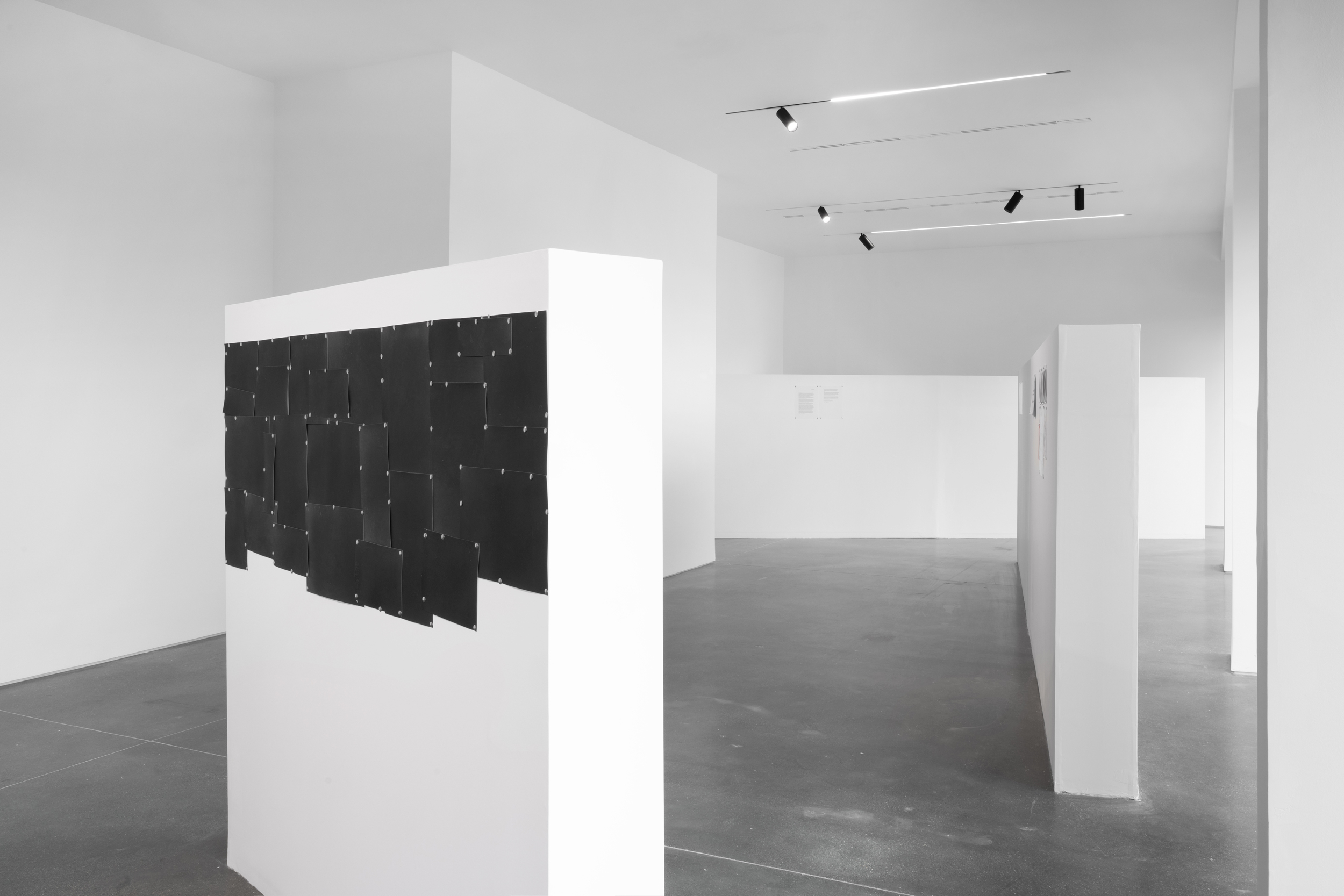
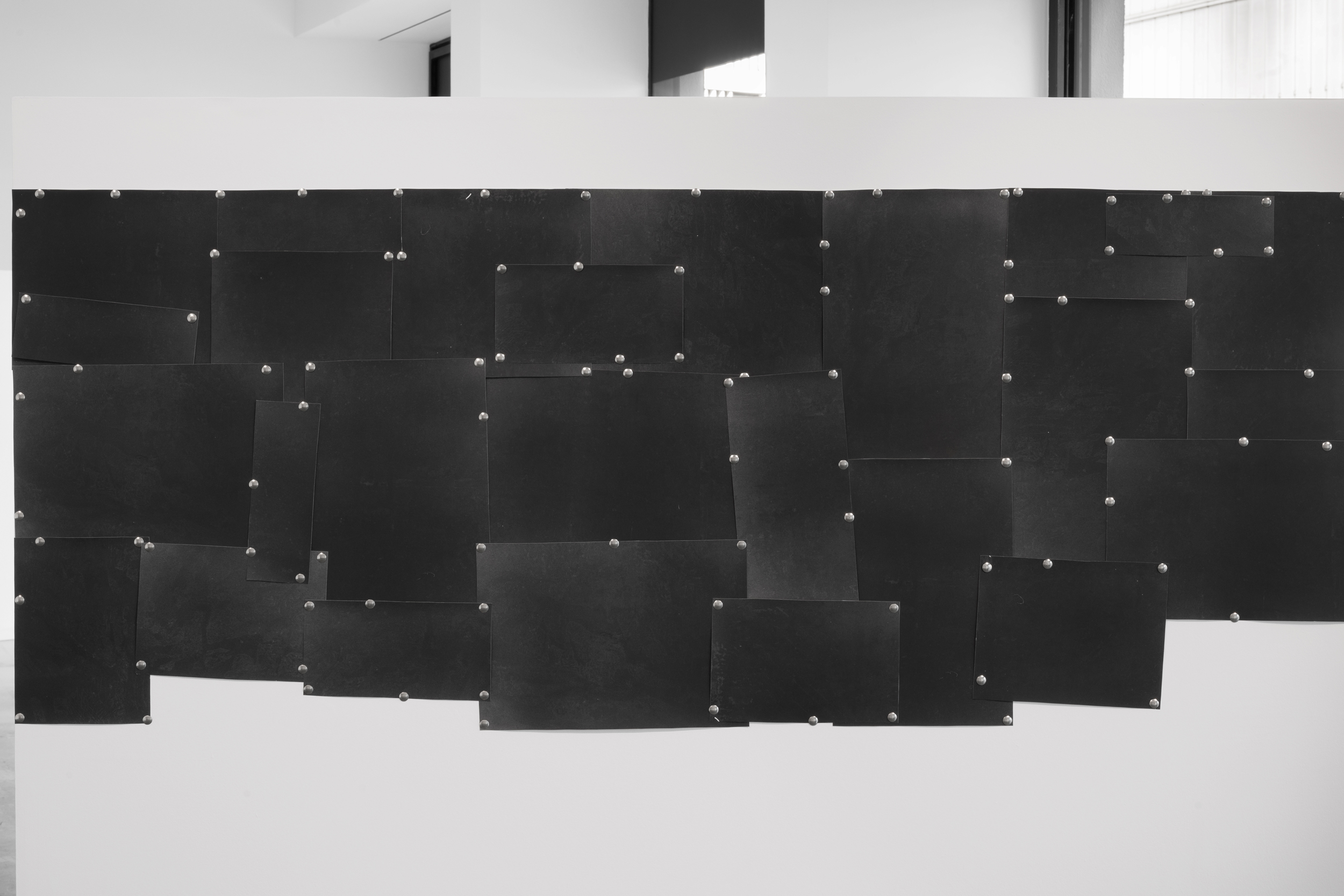
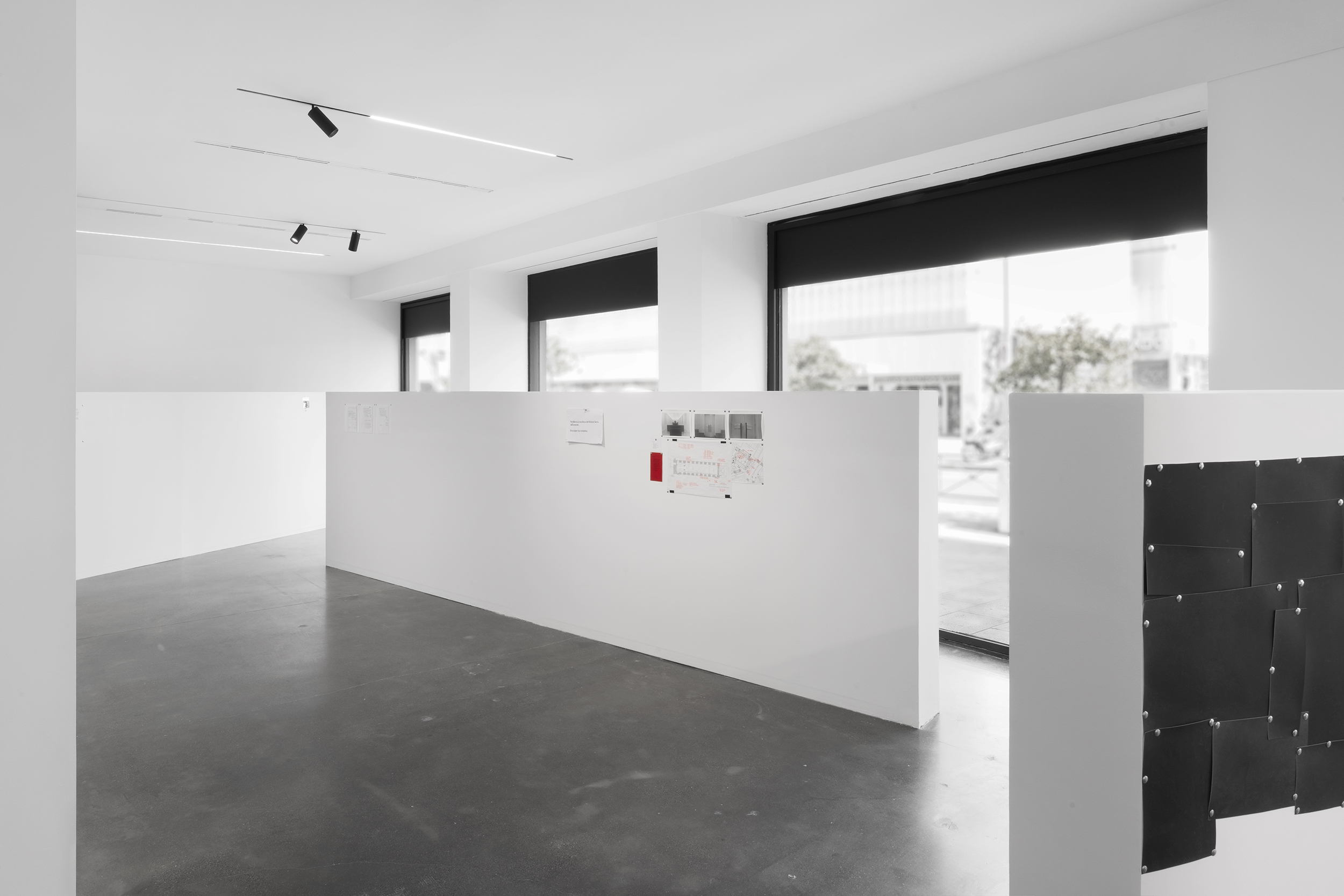
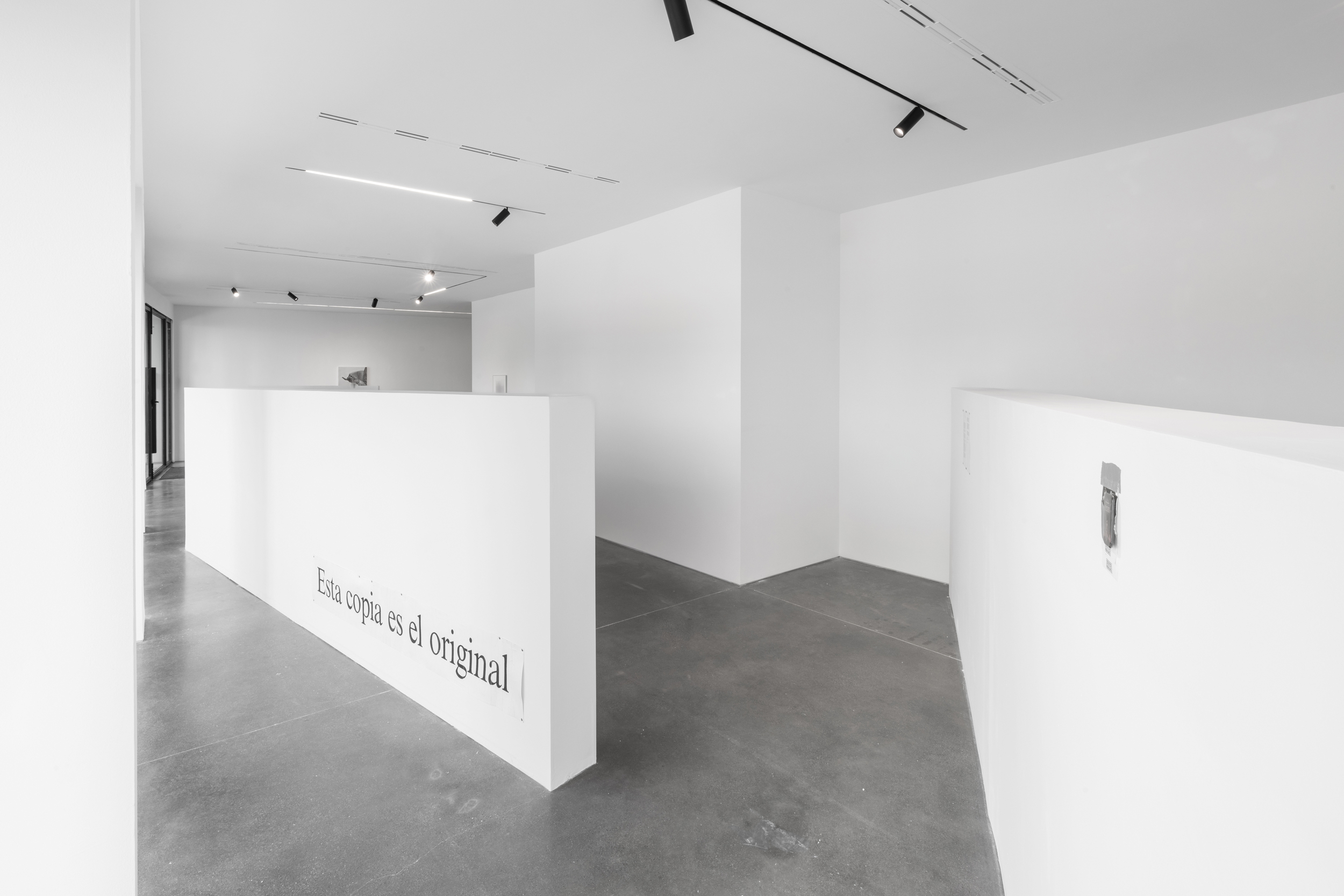
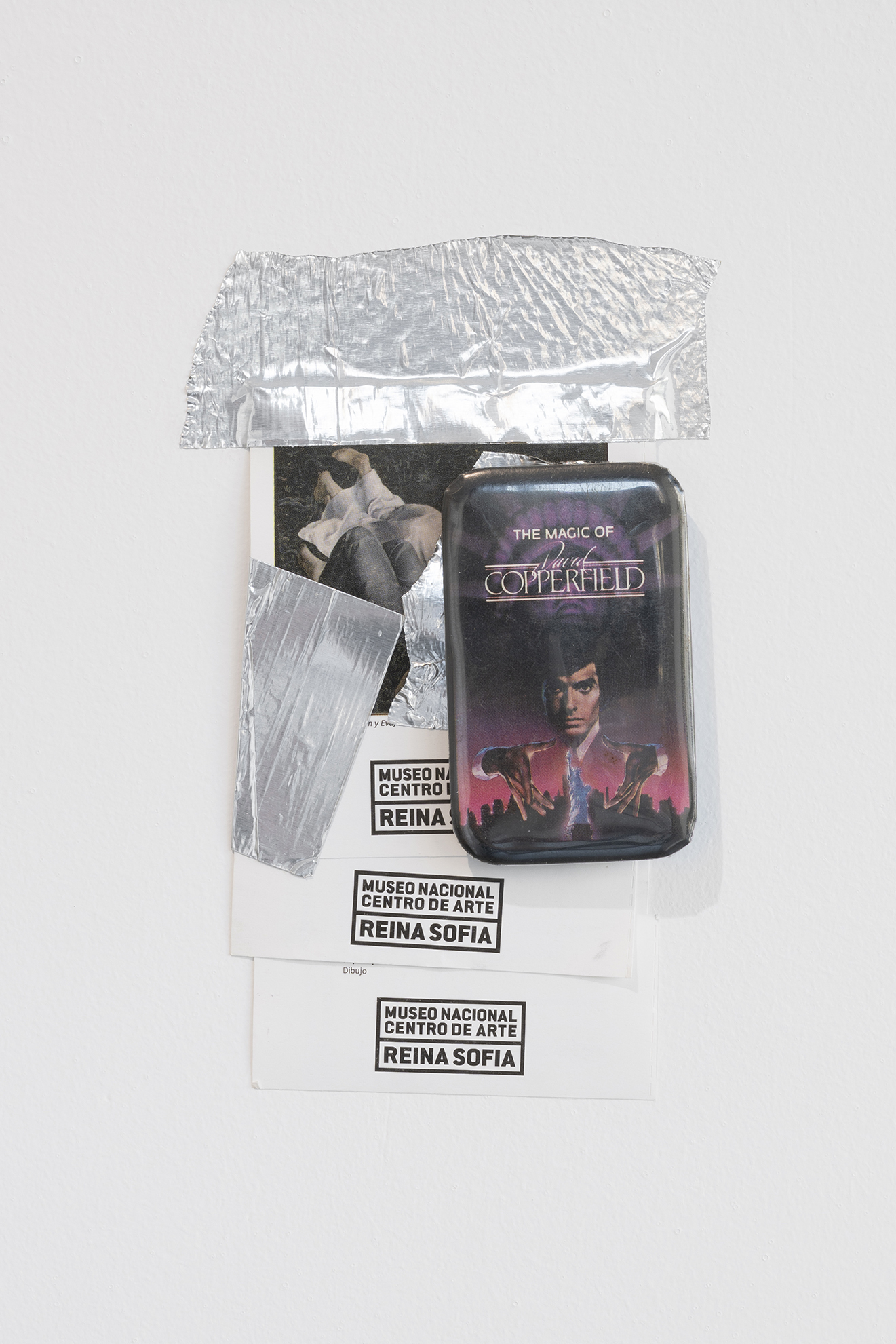
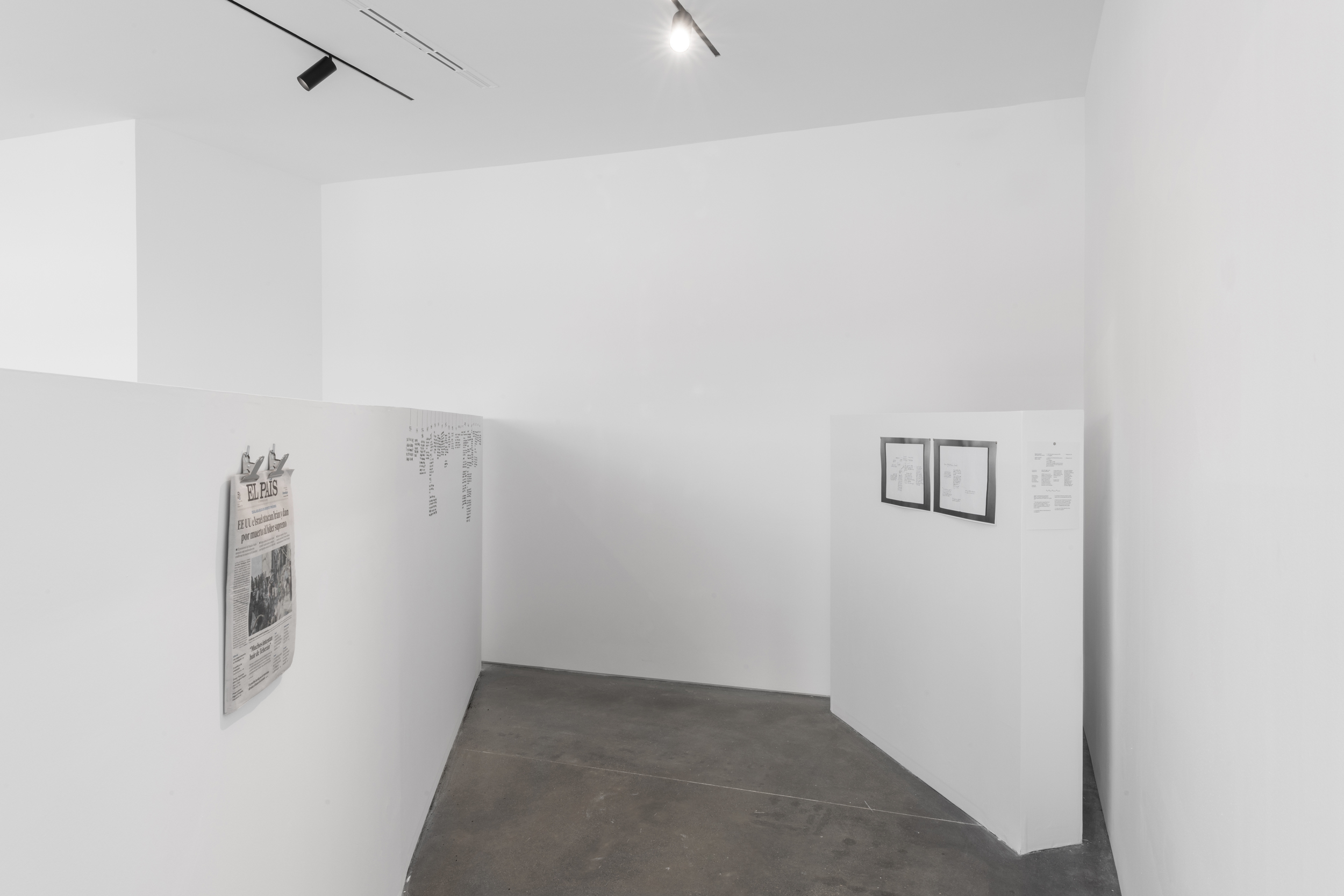
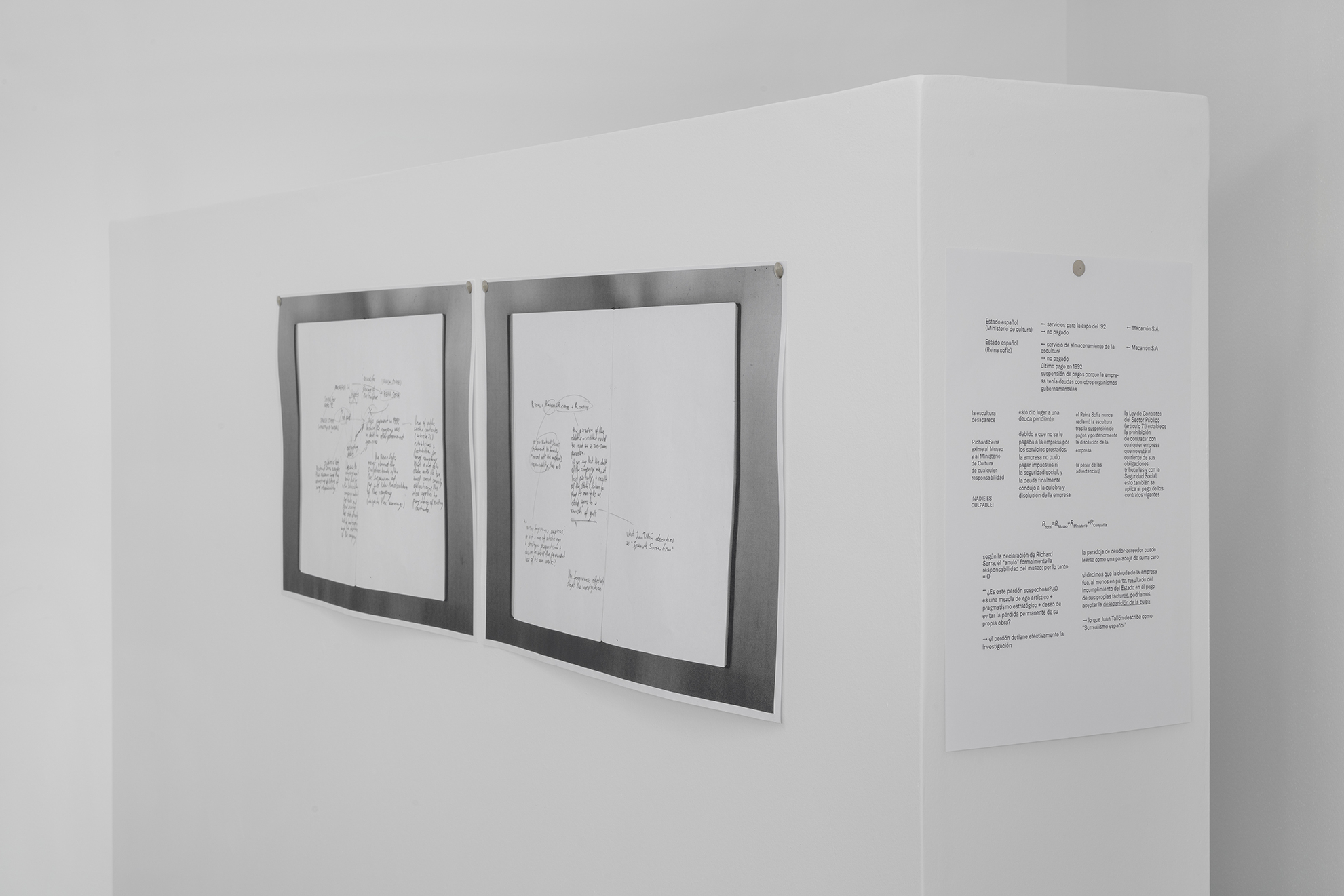
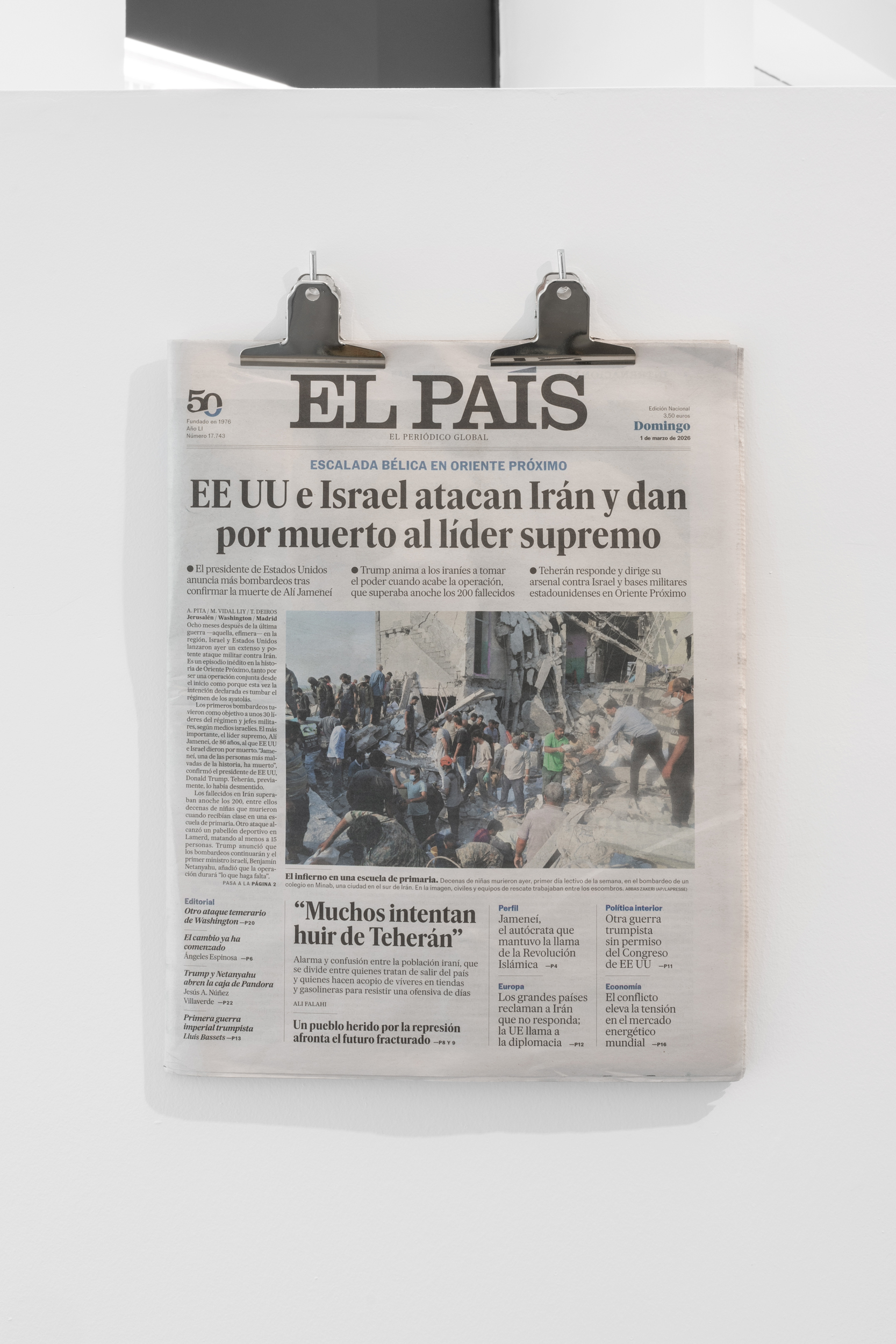
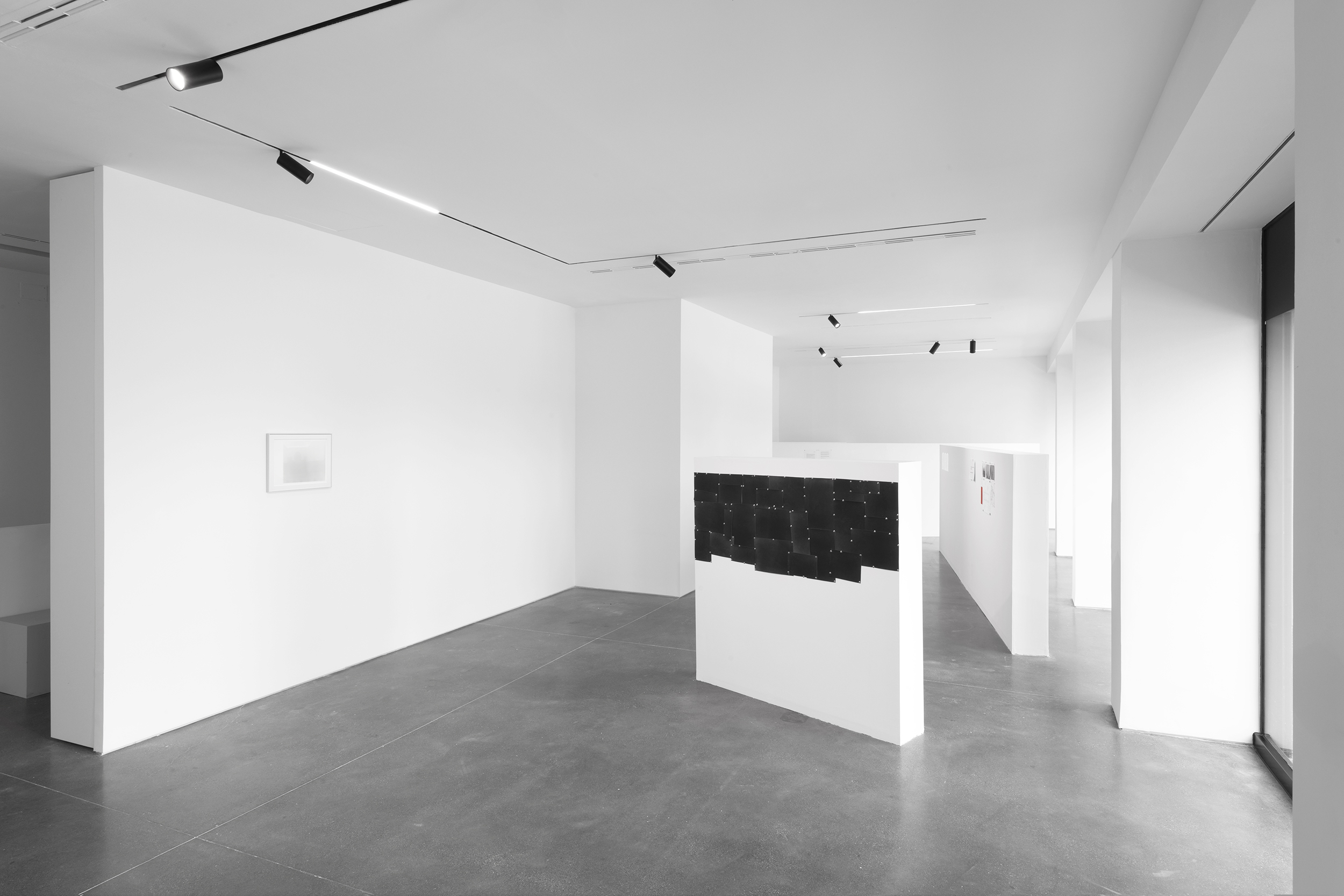
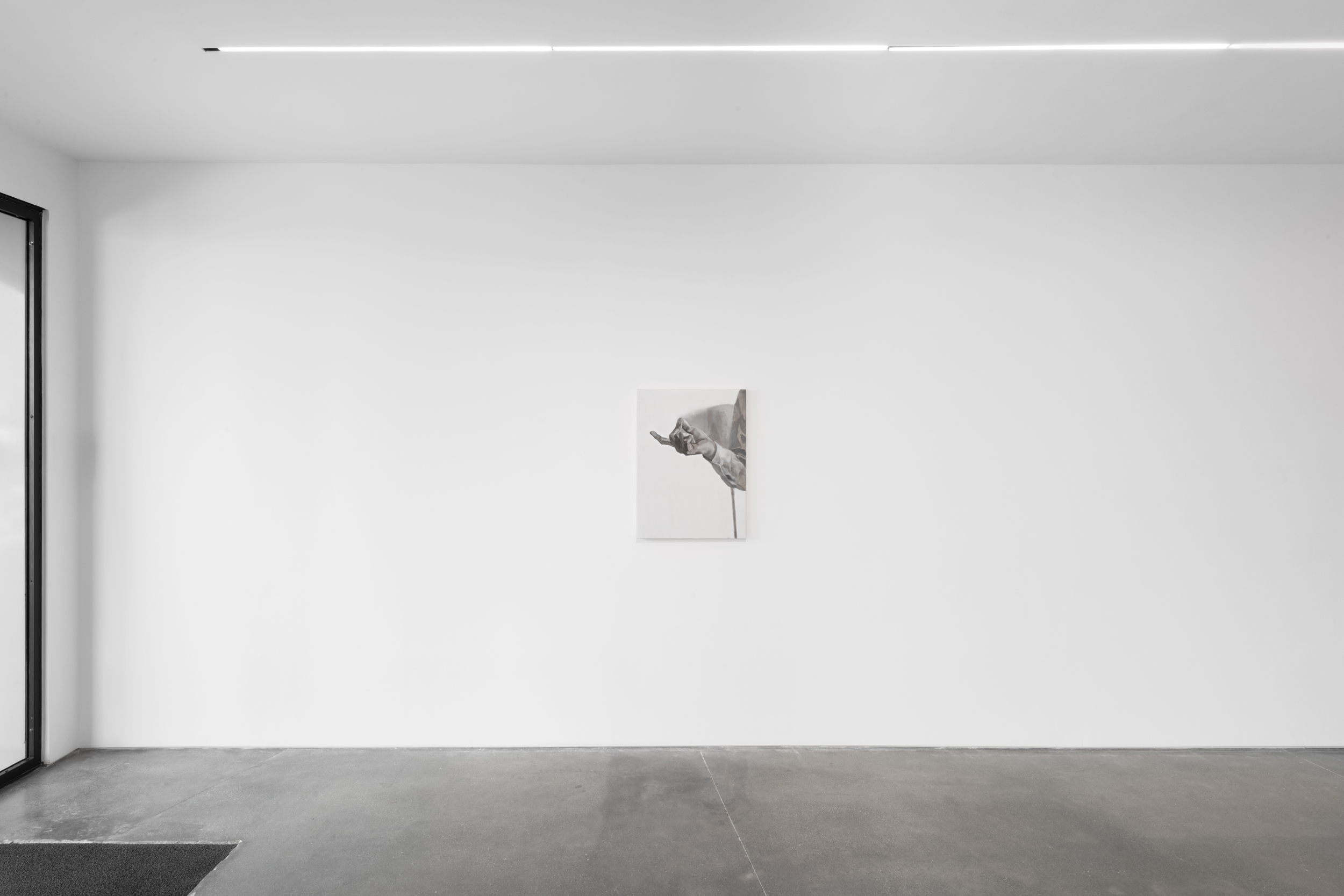
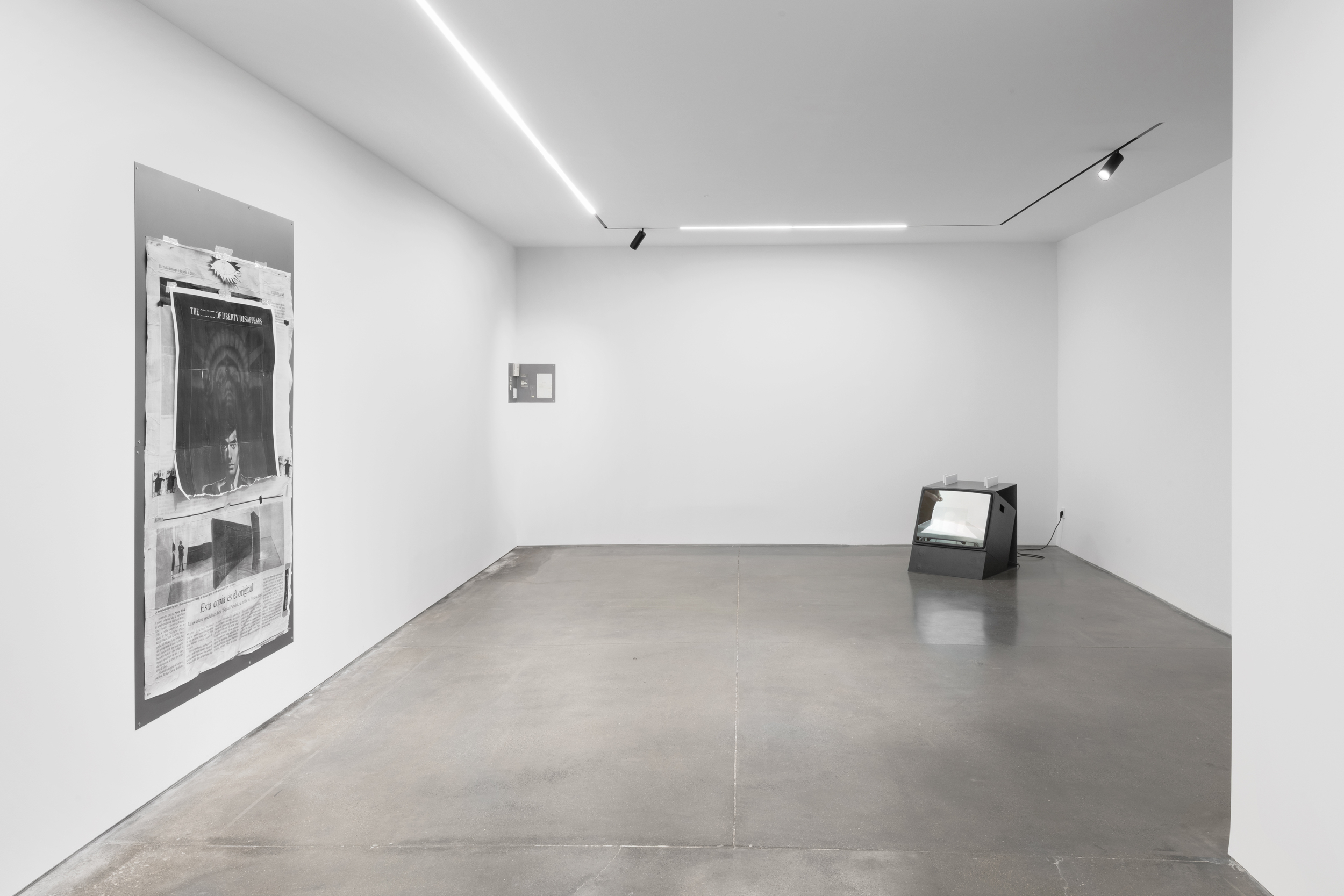
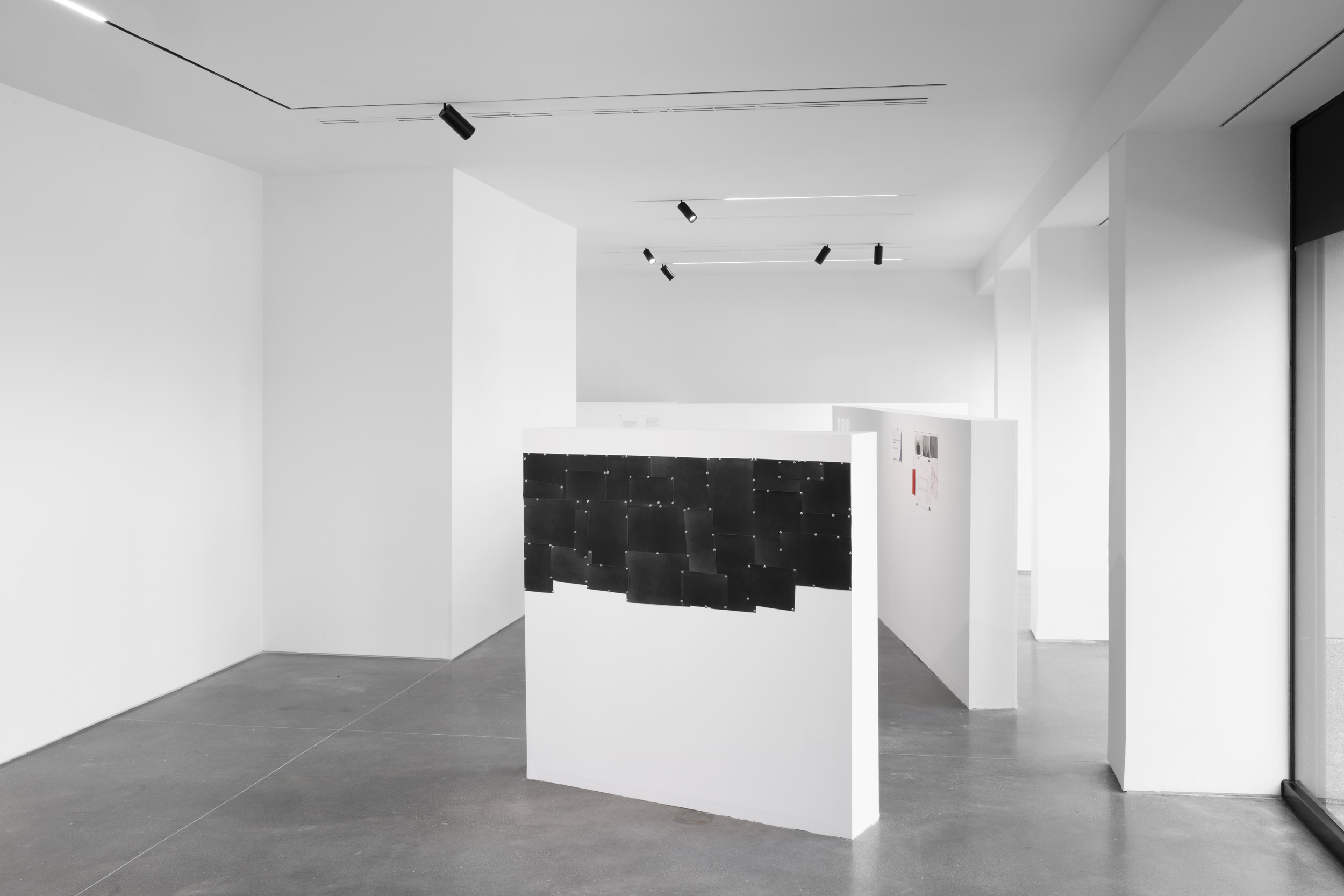
On the ground floor of the gallery, Sartuzi presents a full-scale replica of Serra’s installation that serves as a support for an array of materials: documents, notes and plans, letters, photographs and newspapers. These elements form a more or less dispersed network of associations around the case. In the basement, additional works extend and complicate these connections, proposing further interpretations of the sculpture and the context that surrounds it.
Engaging with another artist’s work becomes, here, a deliberate method of positioning oneself within an ongoing historical and artistic continuum. Rather than following procedures and a strictly formal investigation, Sartuzi addresses both the mythology that has accrued around the work and its broader conceptual implications. Ultimately, the exhibition approaches a specific historical case as a means to reflect on parafiction, institutional structures, strategies of trickery and deception, the political dimensions of artistic production, and the persistent reverberations of history.