CUTOUTS
Antonio Ballester Moreno
CUTOUTS
Lisbon

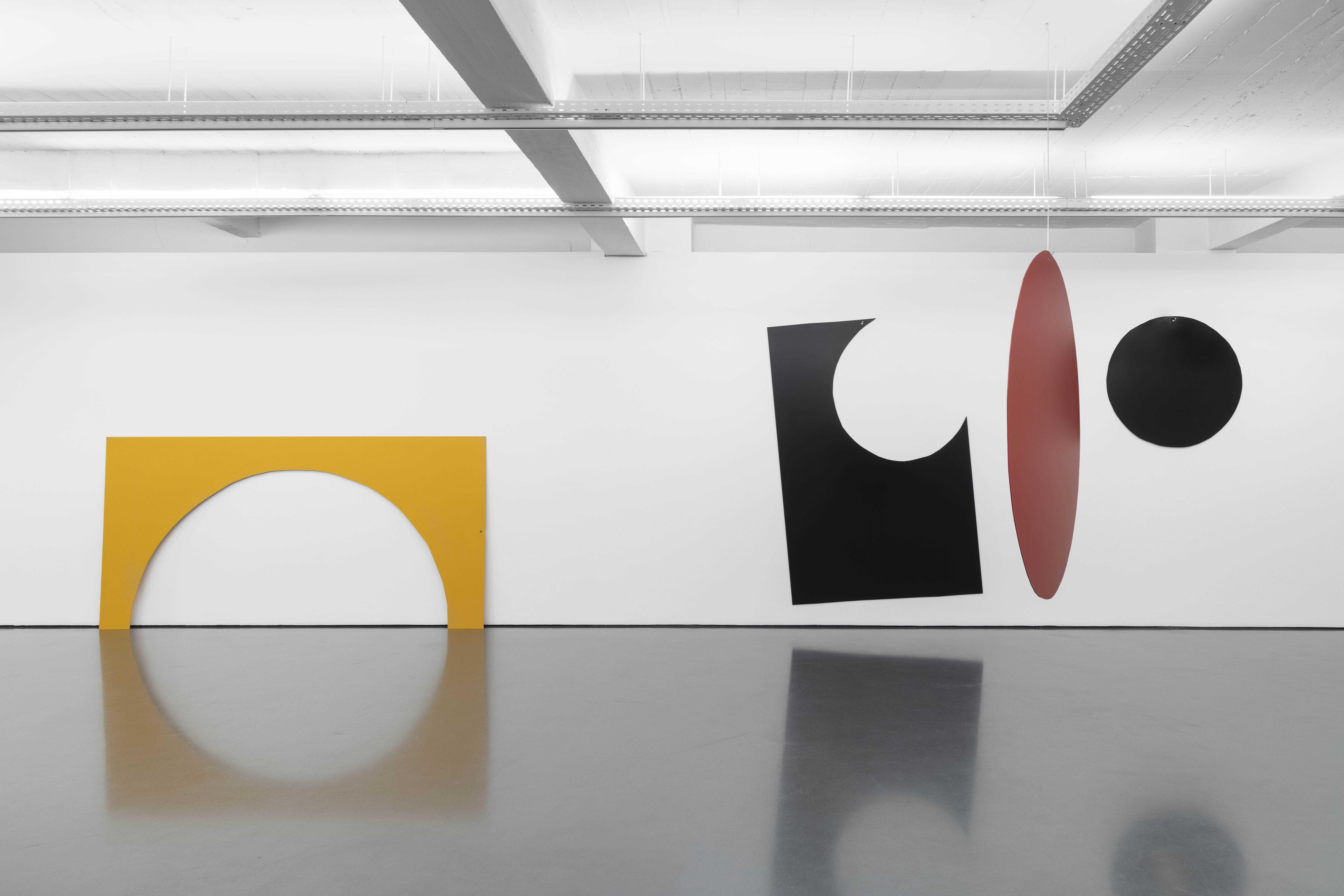
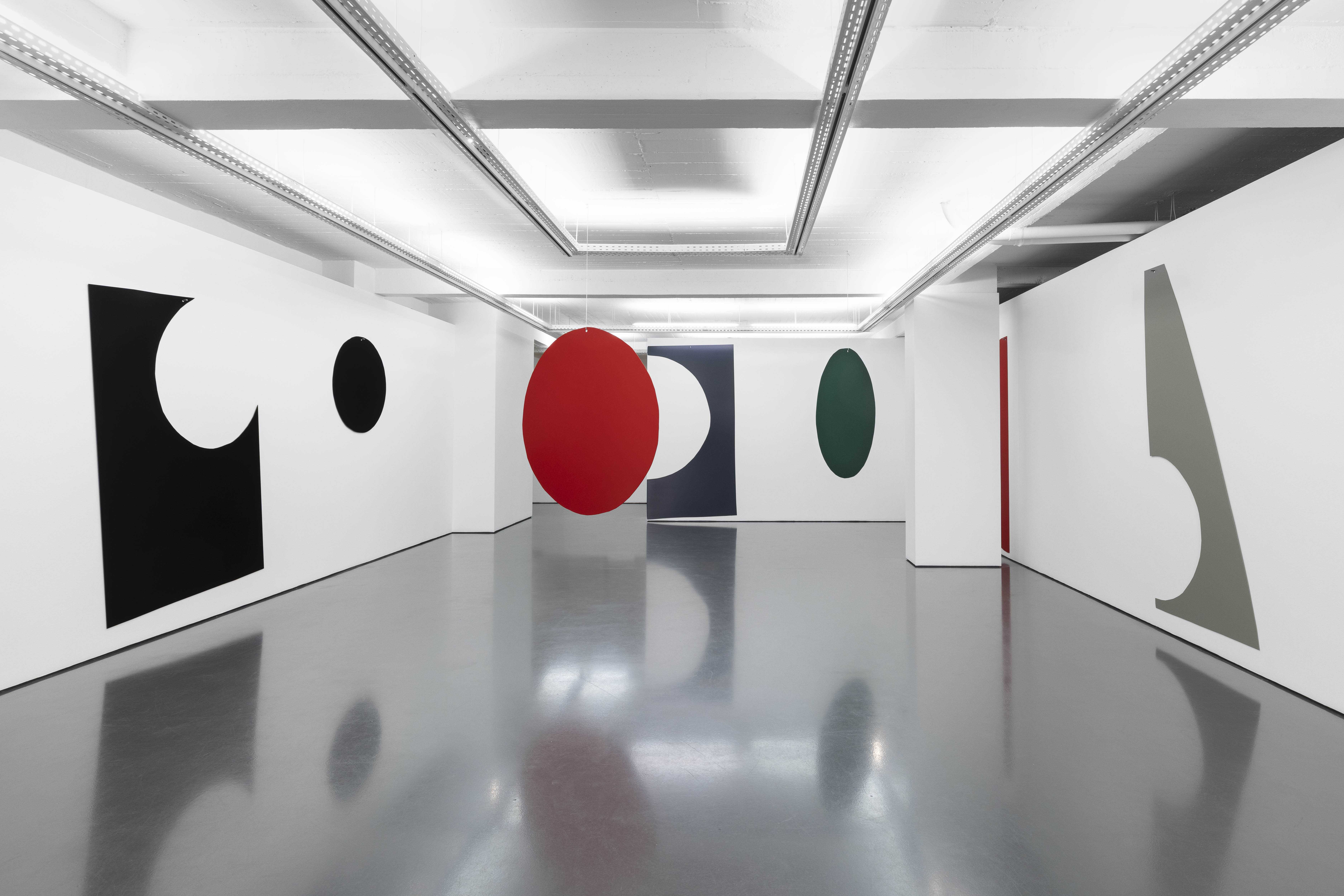
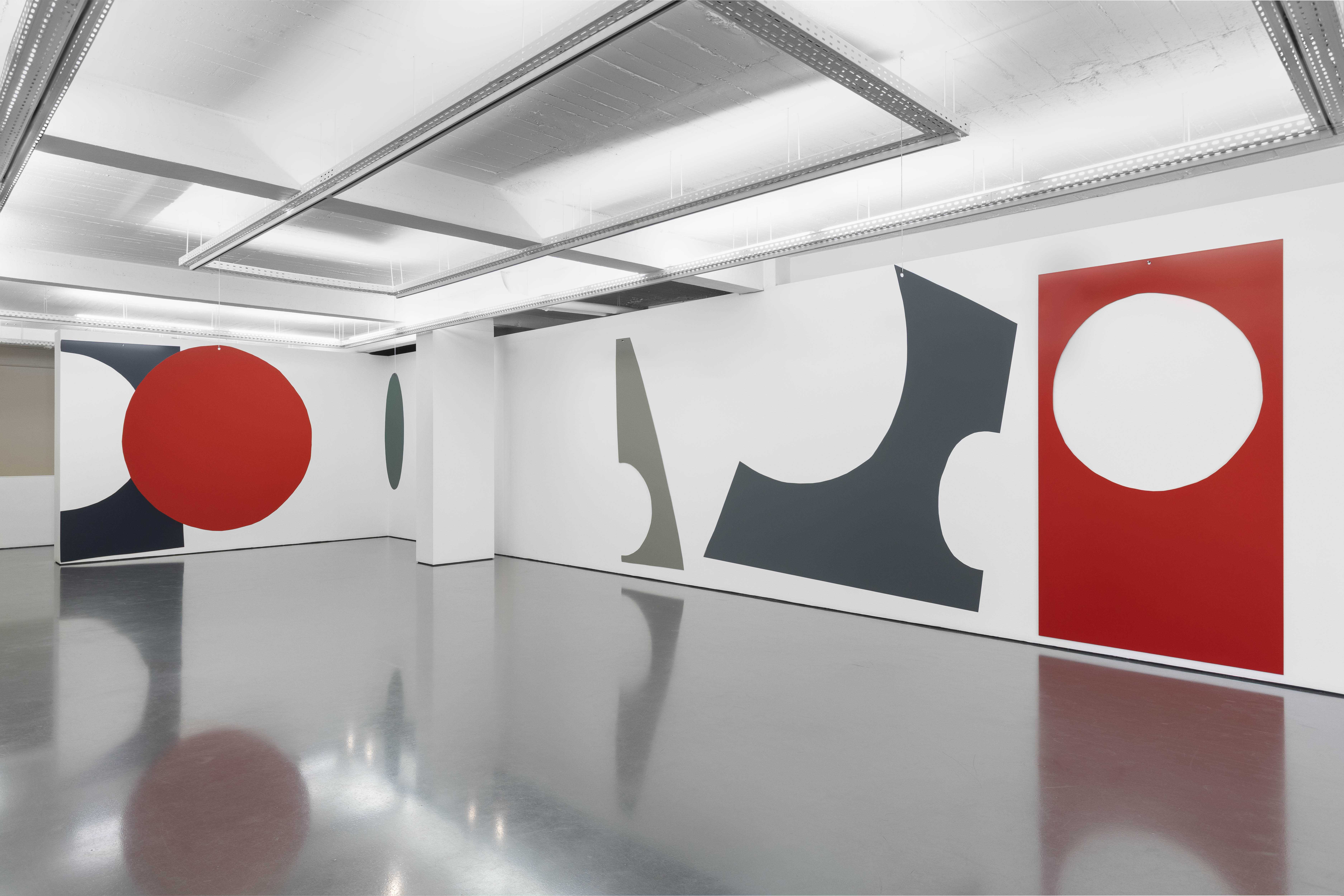
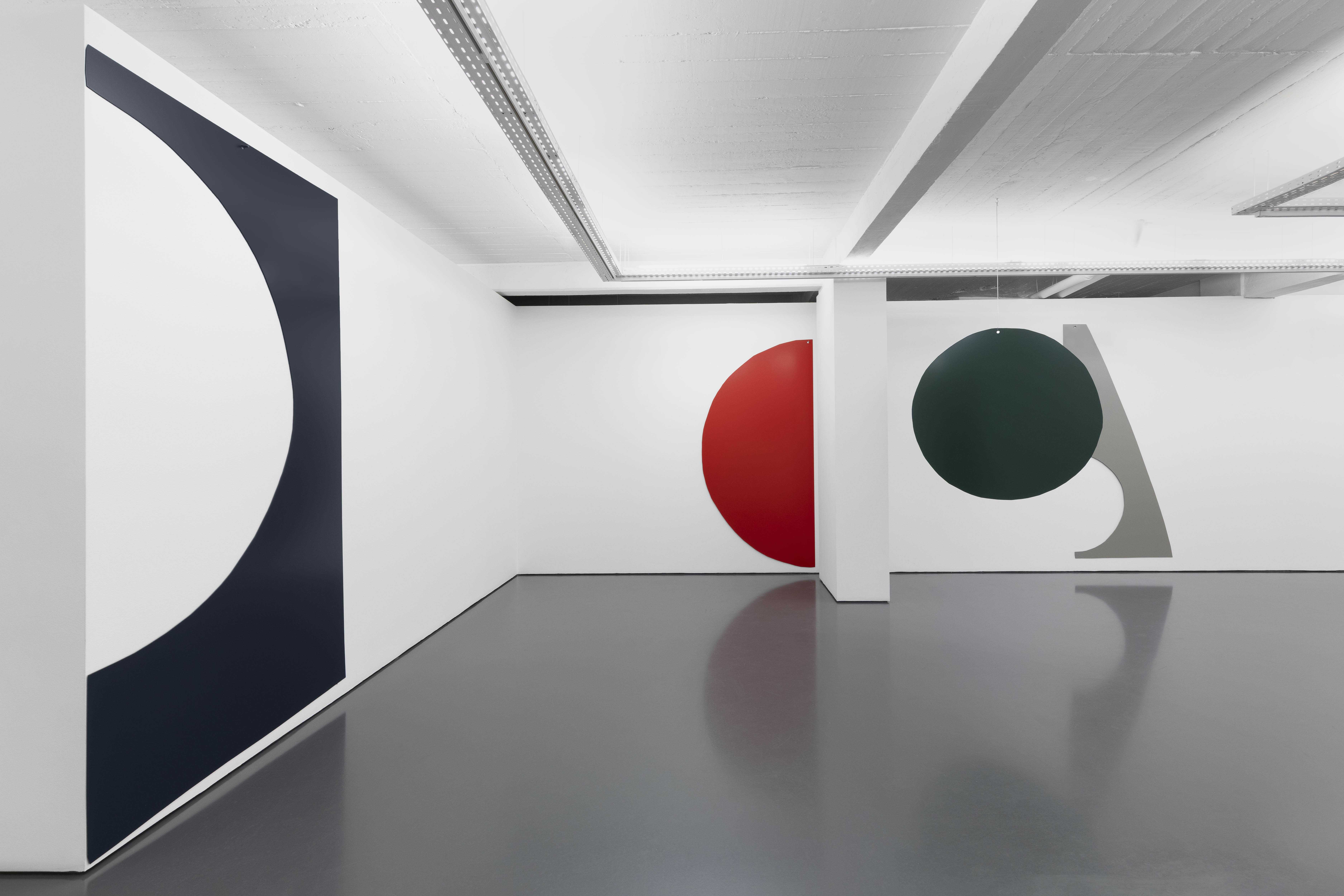
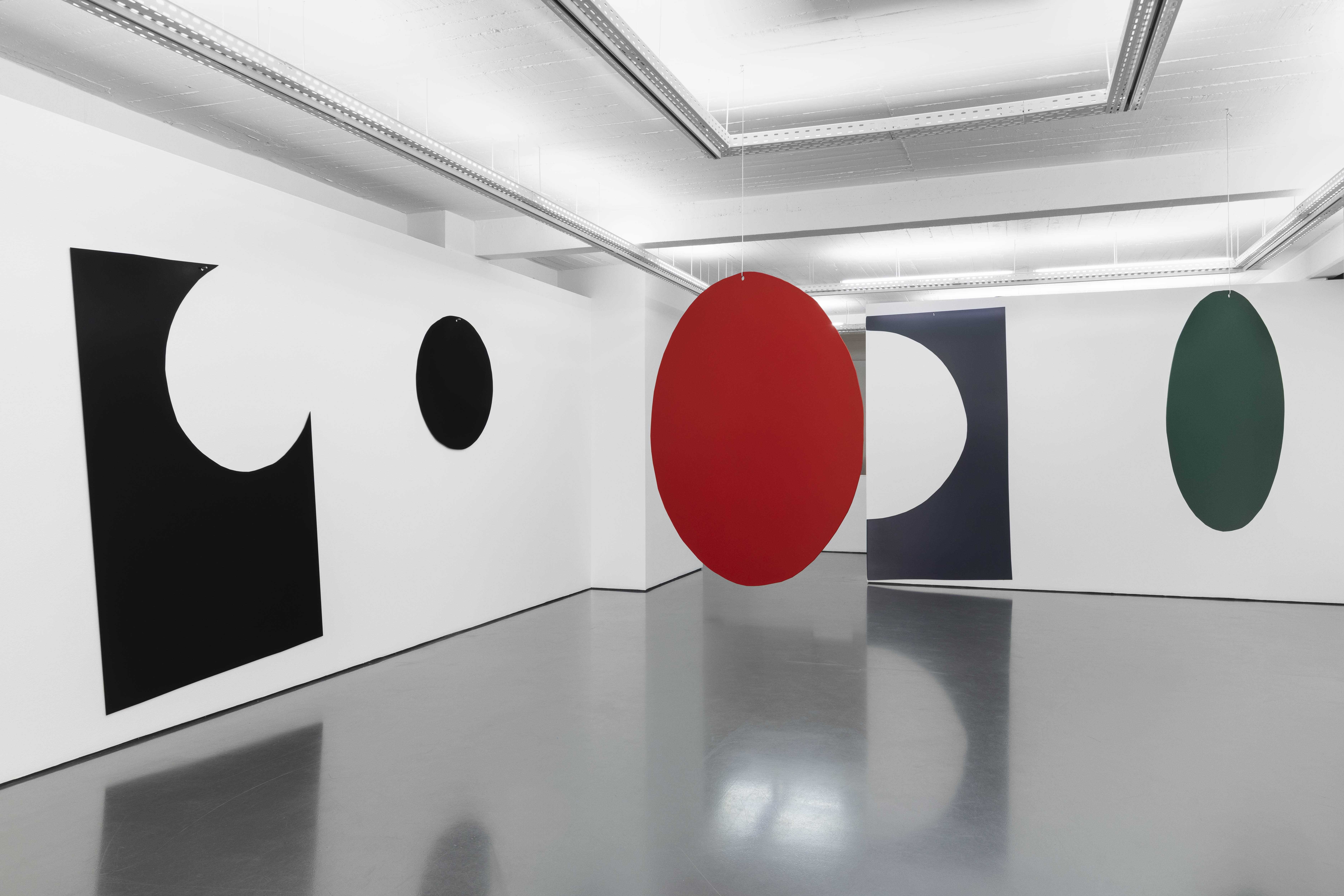
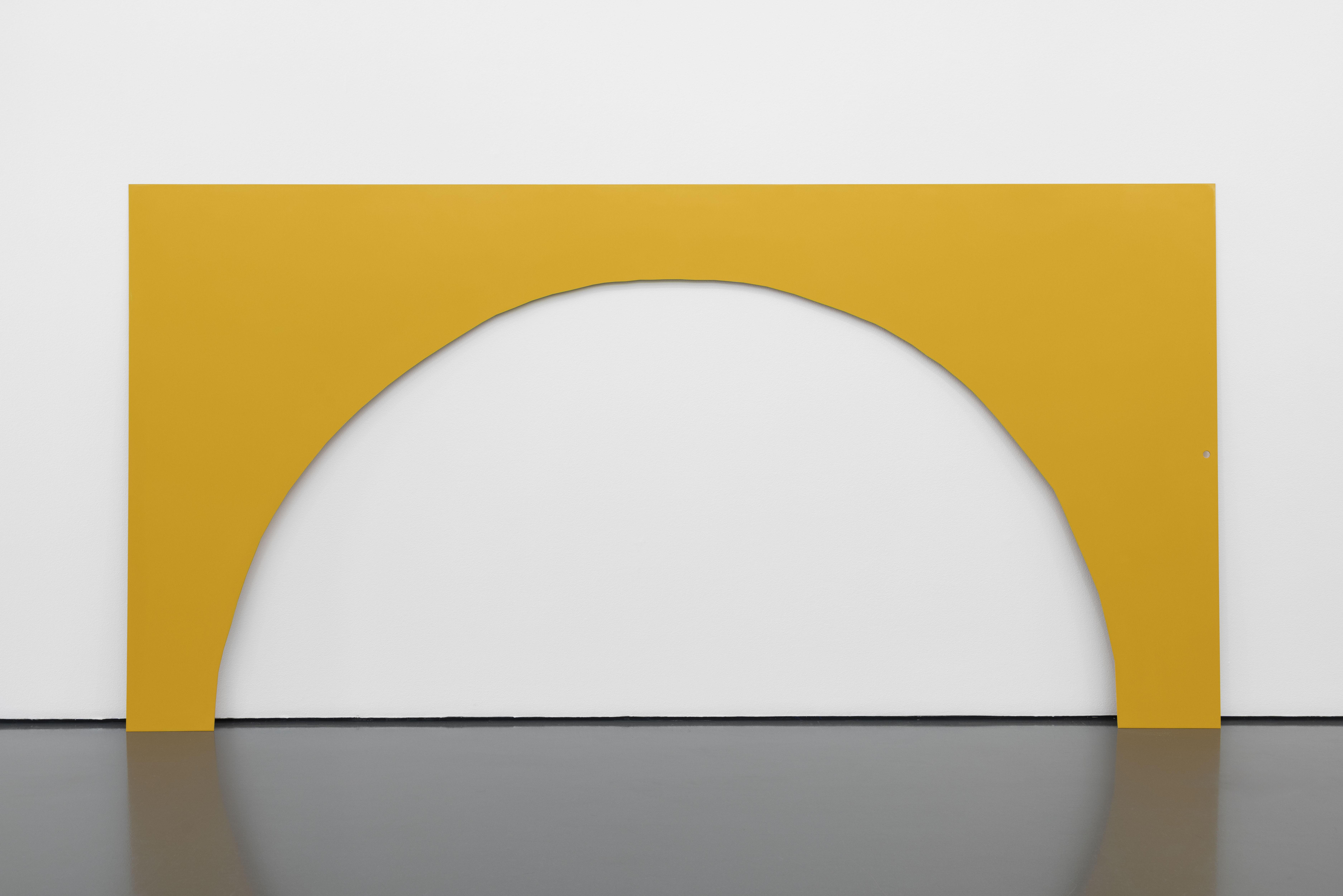
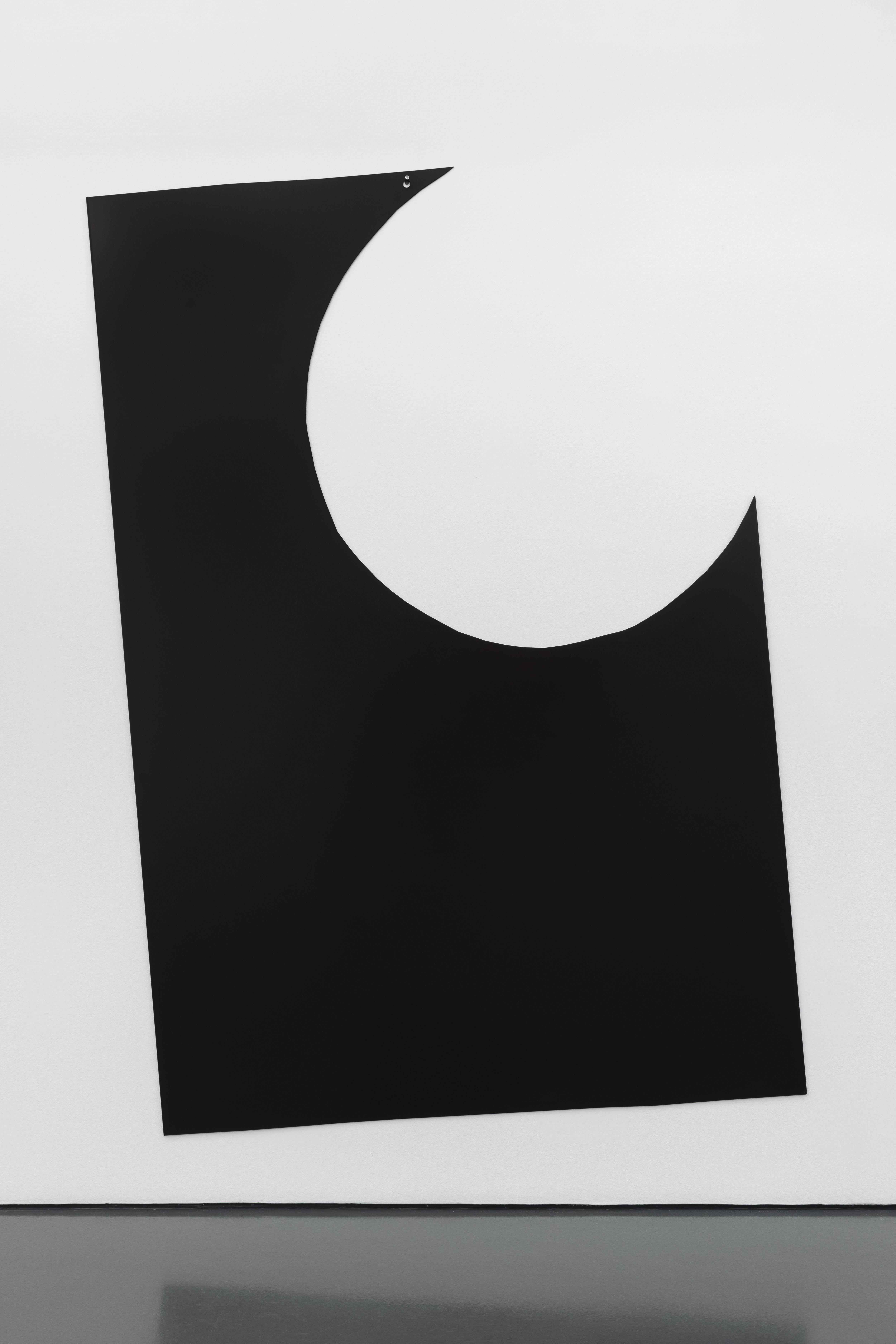
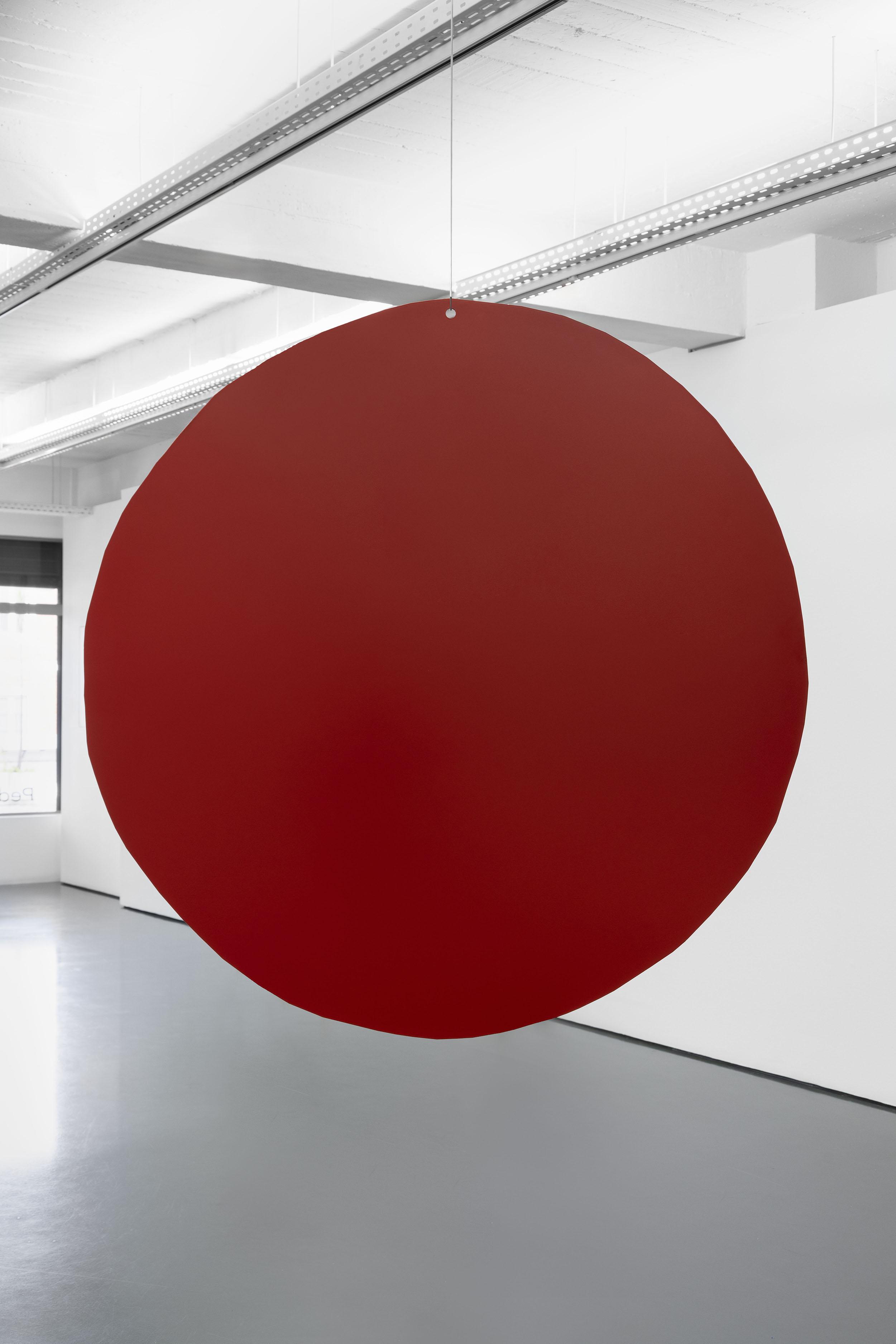
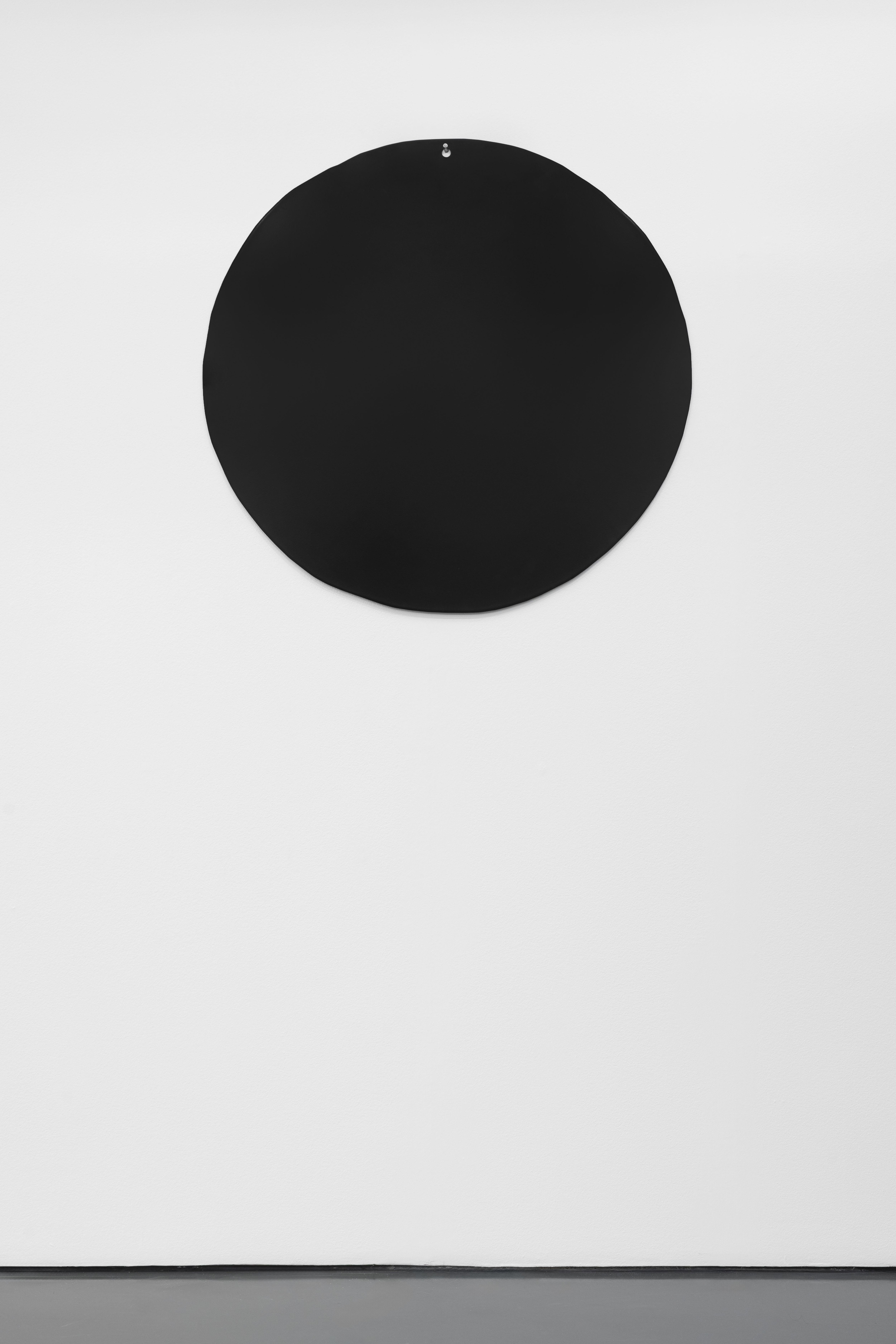
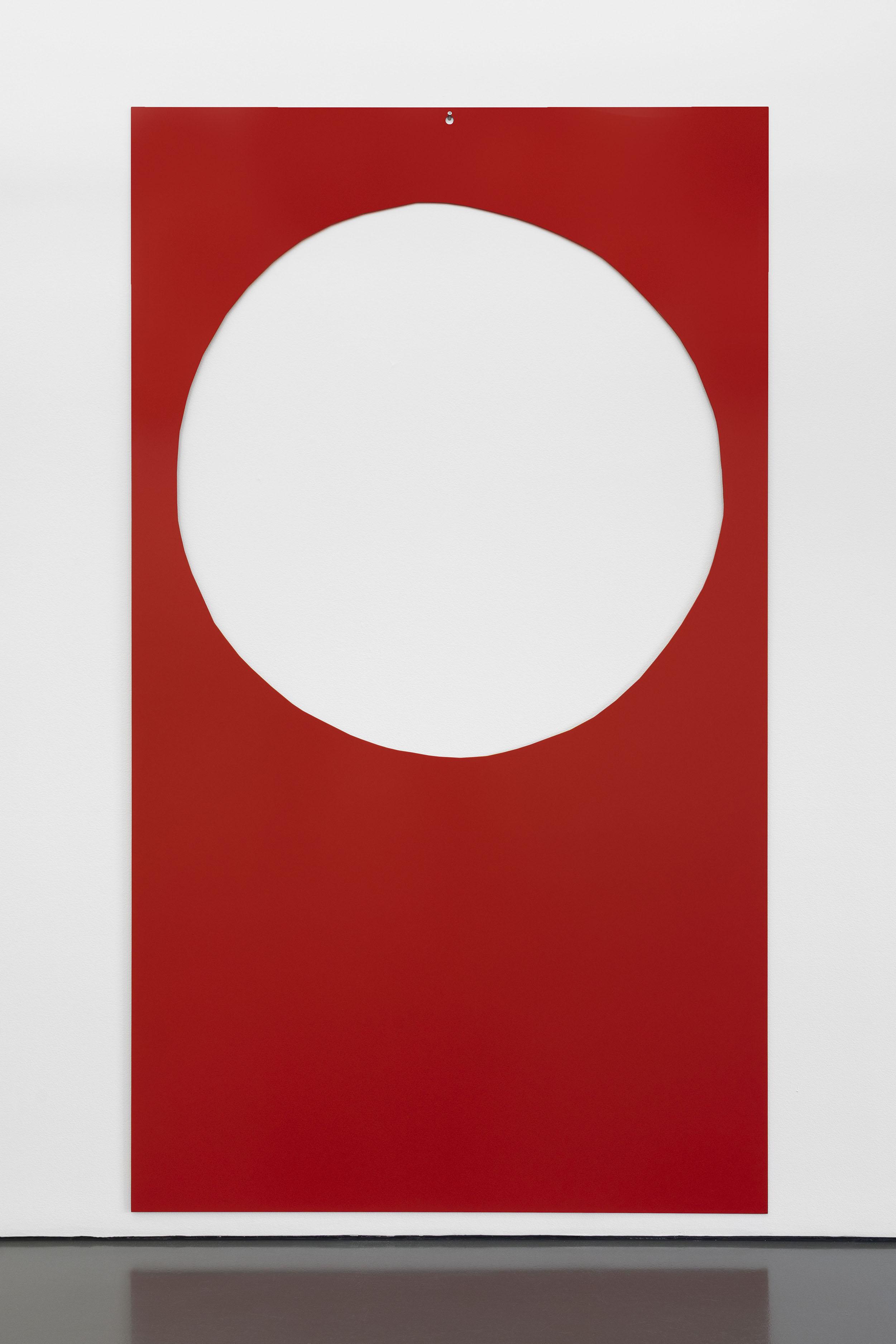
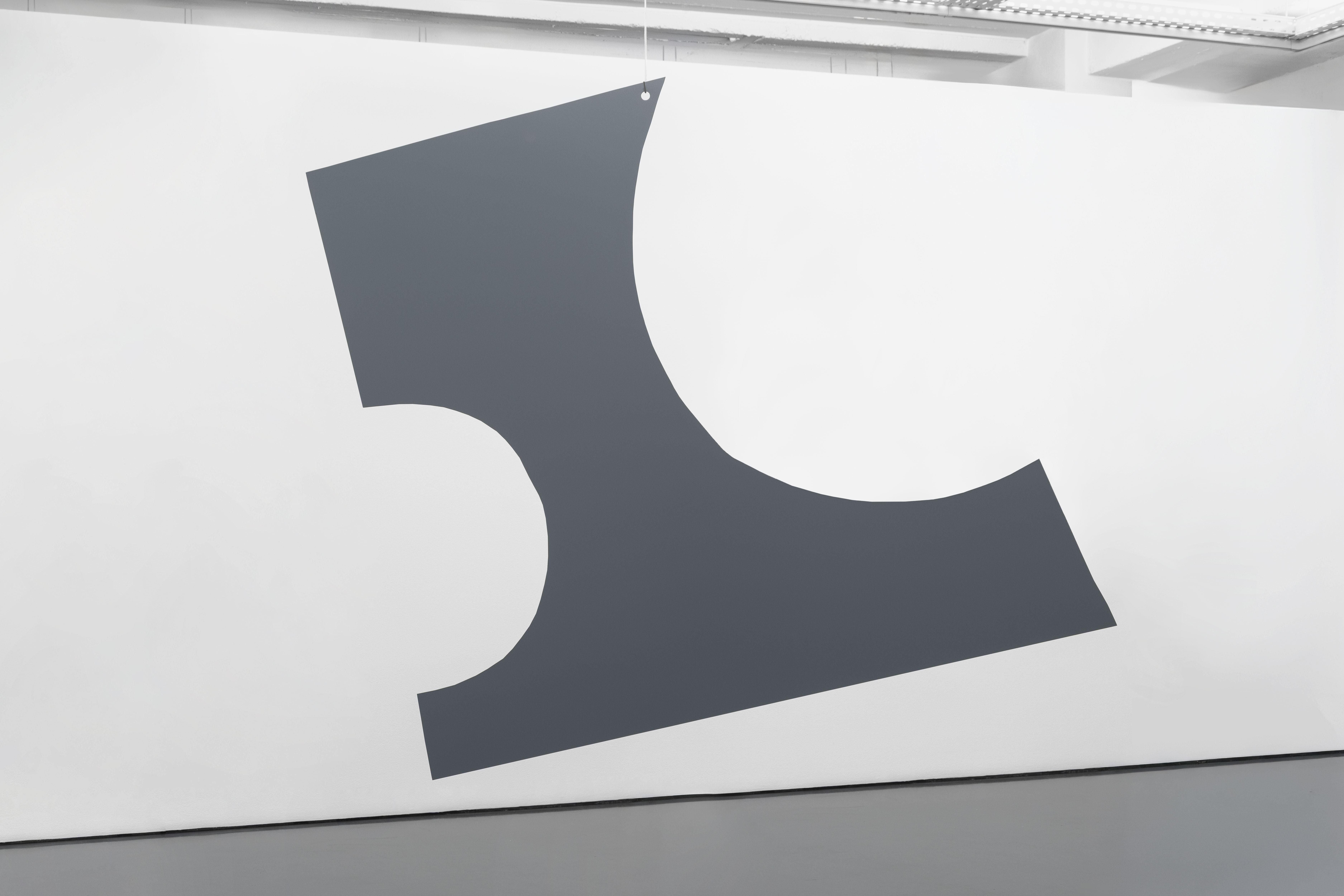
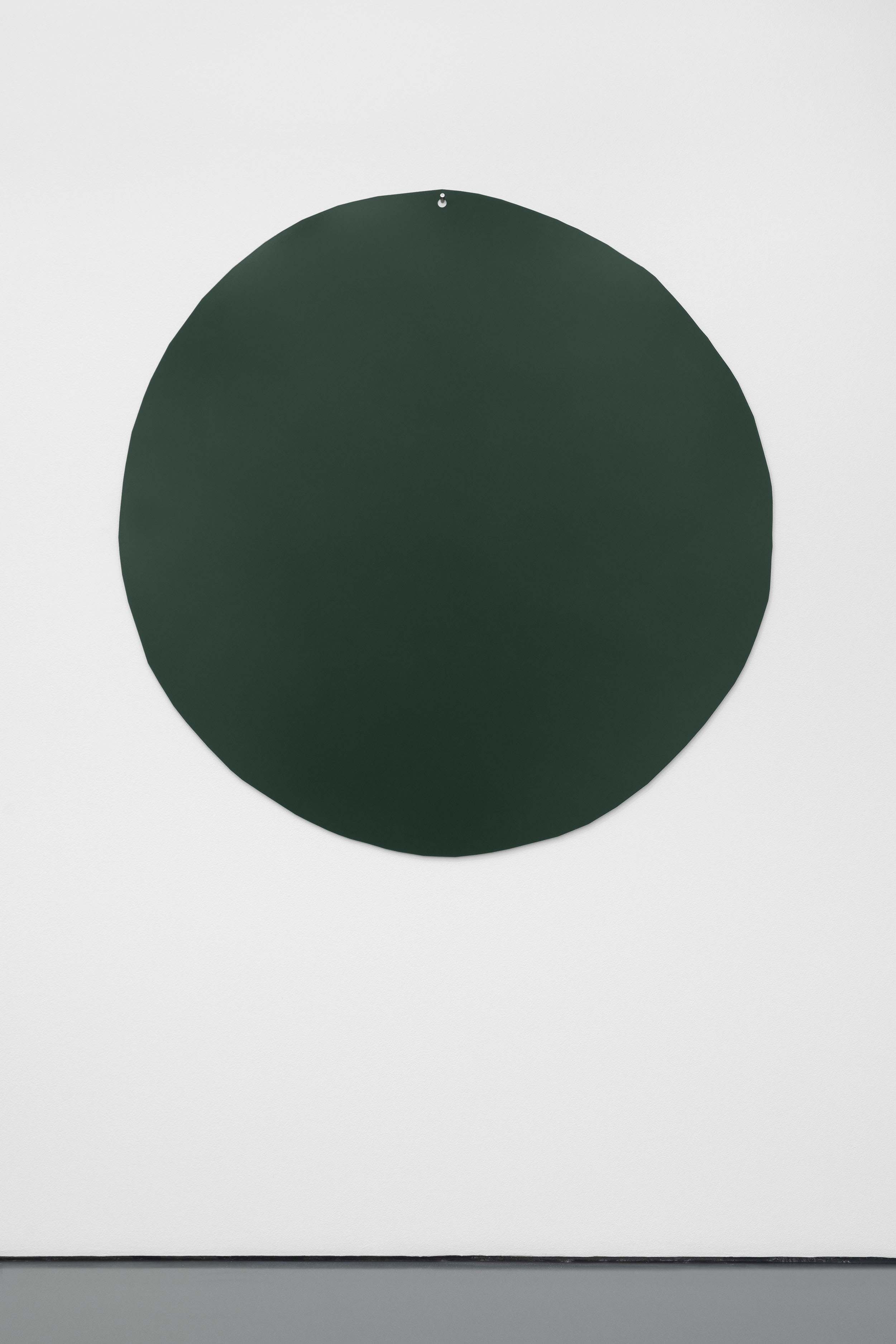
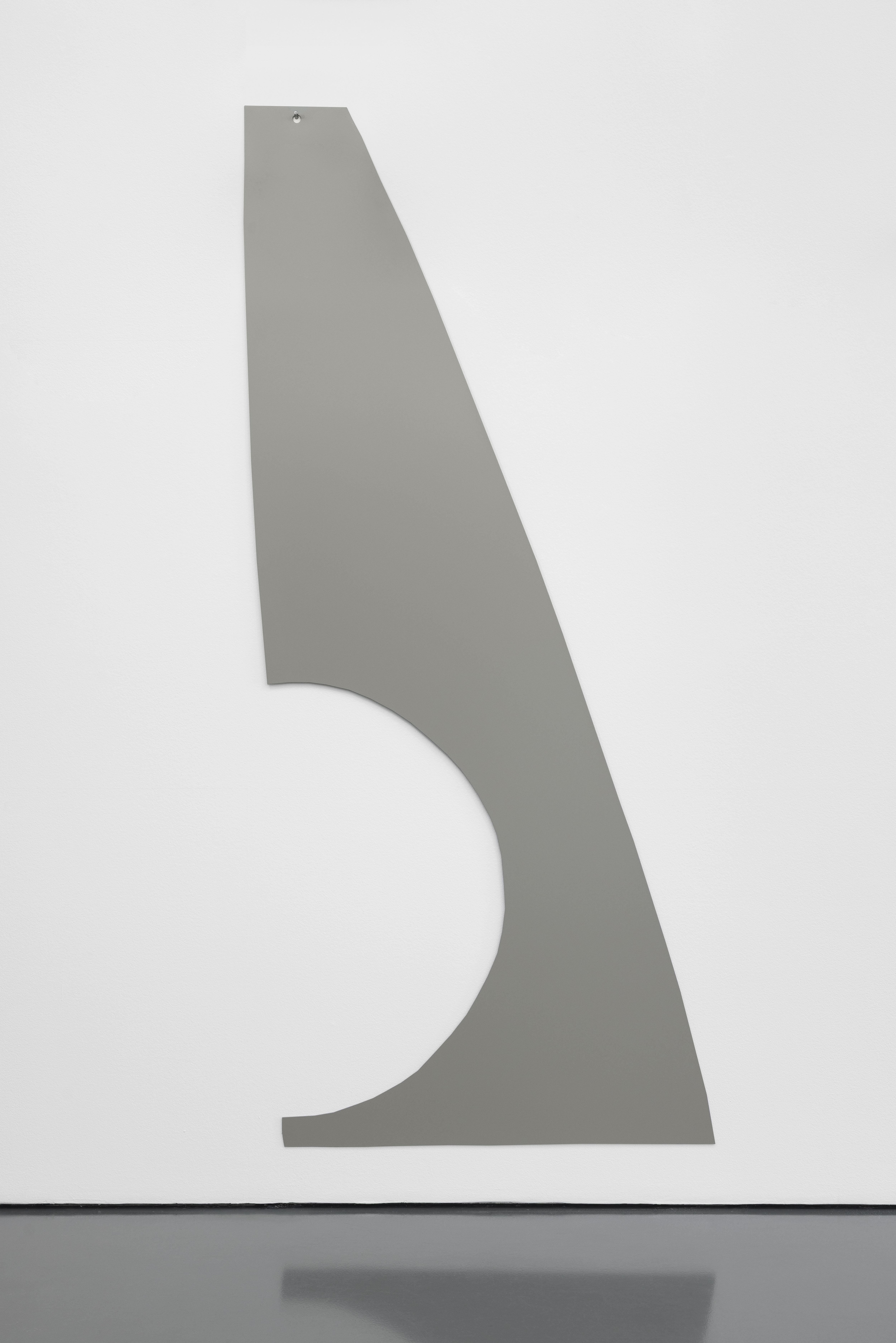
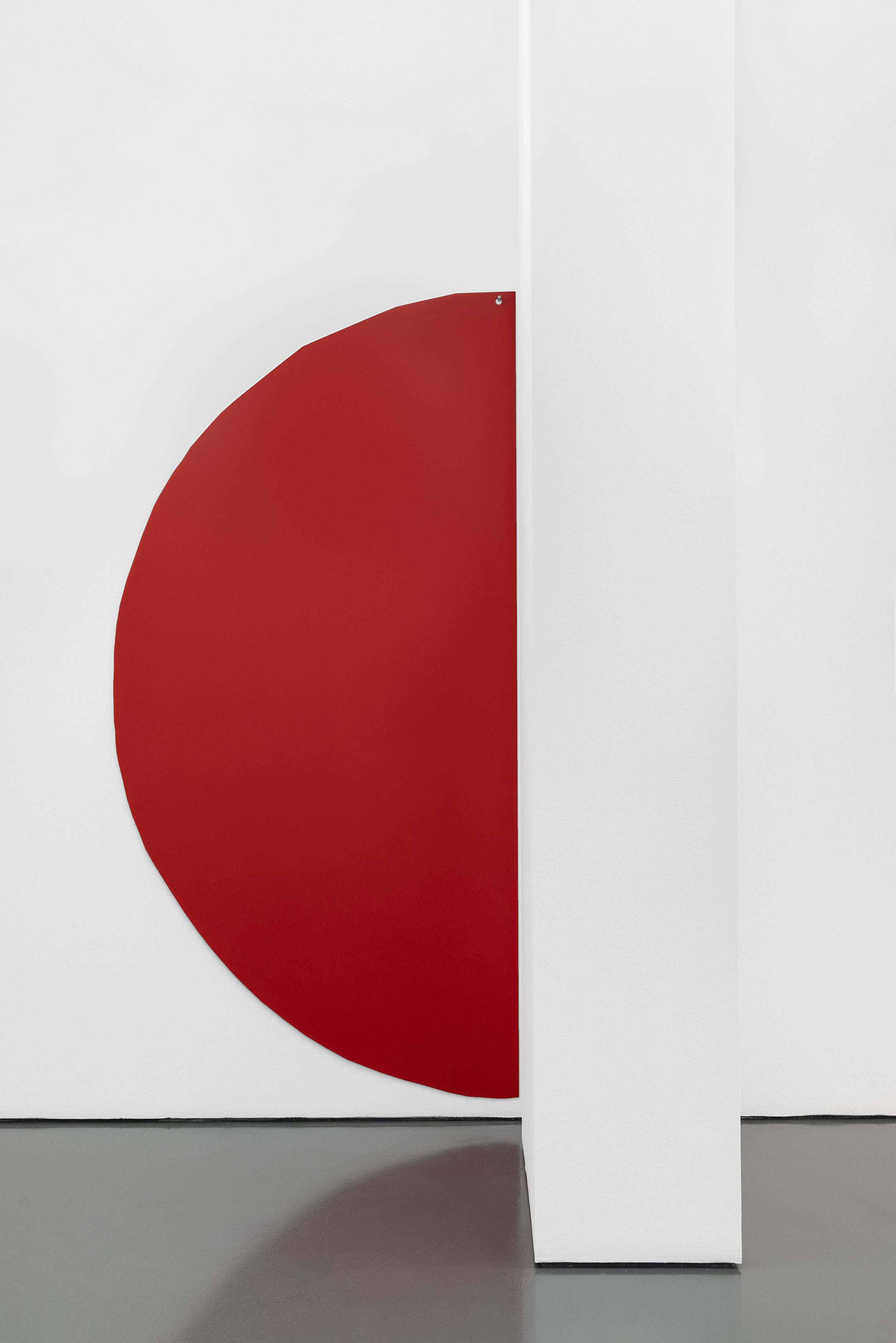
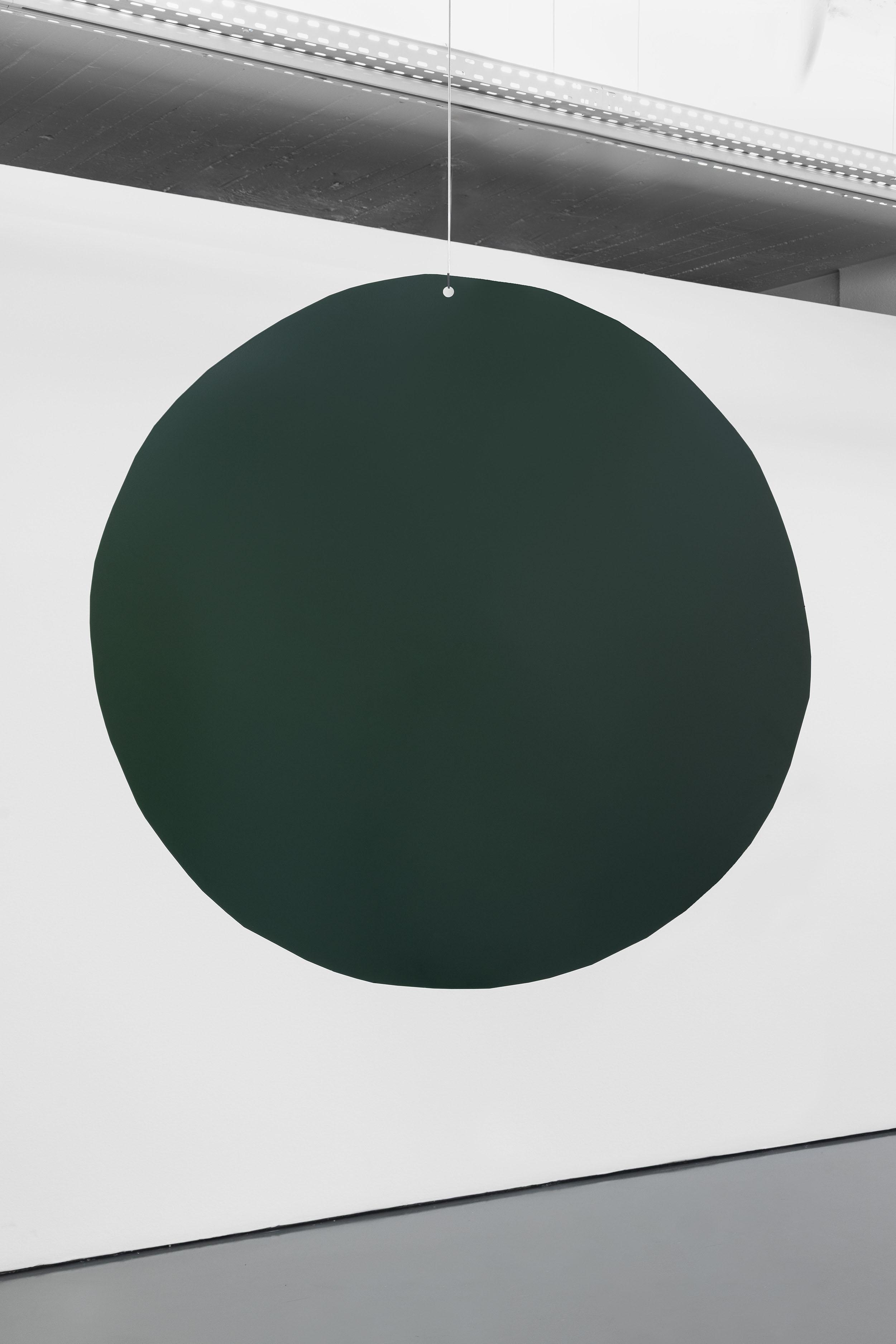
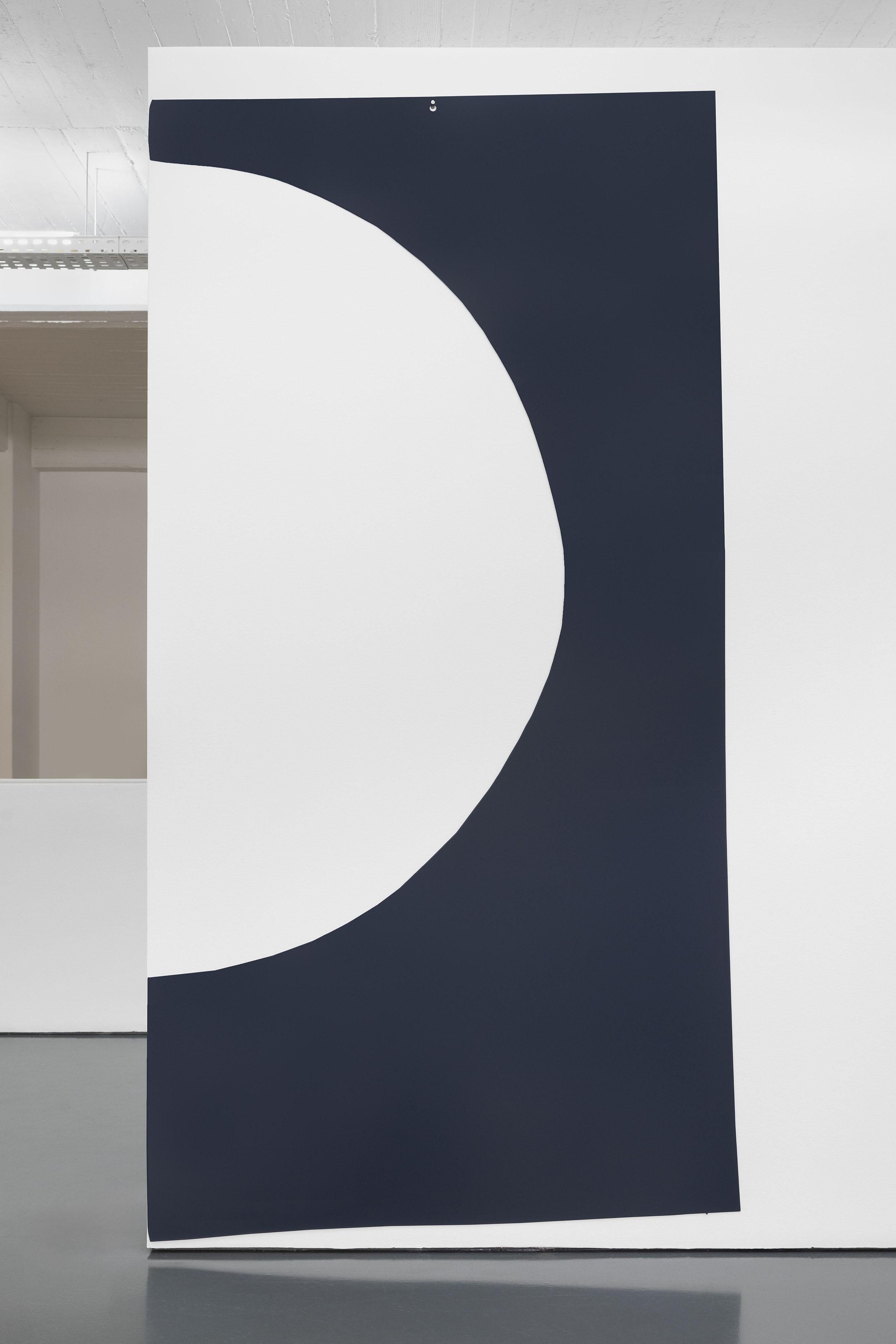
Antonio Ballester Moreno’s latest solo exhibition at Pedro Cera, CUTOUTS, continues his exploration of a visual language defined by colour and simplified geometric forms. While shifting from painting towards sculpture, Ballester Moreno expands this language through scale and spatial articulation, extracting form from surface and bringing it into space to explore how this transformation shapes the viewer’s physical experience.
For Ballester Moreno, the physical act of cutting into a flat surface begins on a small scale, on paper, with his collages. Closely linked to his paintings, they form both the basis of the artist's creative process and the essence of his practice. In the exhibition, he transforms both the cut-outs and their ‘remnants’ into enlarged sculptural aluminium forms, while preserving the tangible gesture of the scissors cut.
Ballester Moreno thereby not only confronts the visitor with an inherent opposition through the interplay between positive forms and negative residue, but through the equal exposure of both, dissolving and reinforcing the possible boundaries between the two. The act of cutting out not only creates the artwork itself but also creates the separation through which the forms become liberated from the established relationship between foreground and background, allowing them to generate their own spatial conditions with the gallery space. The gallery no longer functions merely as a neutral setting but becomes an active backdrop, against which the forms continuously define and redefine one another, through the absence and presence of surface and empty space. In this way, Ballester Moreno creates an environment that does not present landscape as an image, but rather an actual landscape-like condition. As soon as the visitor enters the space, their body can no longer remain outside the work, but becomes immanently integrated into it through mere physical presence.
This presence is not a static one. Visitors can move through the scenery, revealing the significance of mobility for comprehending landscape as something that unfolds through embodiment and physical experience. The performative dimension of the exhibition emerges through the interaction between the works and the bodies moving among them. Perception is shaped not by a fixed point of view, but by shifting proximity and distance, as well as by the interplay with the visitor's rhythm of movement. In this sense, Ballester Moreno’s spatial activation recalls the work of Alexander Calder, who liberated sculptural objects from their immobility and transformed them into dynamic fields responding to architecture, spatial atmosphere and the viewer’s presence. Here, too, the space is not simply occupied but activated and thereby opened as a condition through which emotional and physical perception becomes a point of access.
As visitors move through the exhibition, they become increasingly receptive (even if only subconsciously) to what Gilles Deleuze described, in his conception of wandering through a landscape, as “geopoetics”: an experience that arises from the convergence of countless impressions, unfolds in real time and resists any fixed definition or predetermined meaning. Our conception of landscape itself has historically never been neutral but deeply tied to modes of representation. The term was not used to refer to a view, but to the image of a view, a constructed composition, shaped by artistic selection and arrangement. Our notion of landscape is therefore inextricably linked to artistic creations, since it was the artist’s task to order forms, colors and their spatial relationships into a coherent image, through which the landscape became legible. Ballester Moreno’s practice might be understood as a quiet reopening - or maybe even a reversal - of this rationale. Rather than translating the world into representation, he draws the conditions of representation back into space itself. What emerges is not landscape as image, but the very process through which landscape becomes perceptible at all.
Like a landscape painter deciding what to include and what to omit, Antonio Ballester Moreno works in CUTOUTS through acts of selection. Here, both form and residue remain visible: the cut-out and its remainder, the figure and the void, the surface and what has been removed from it. Nothing resolves fully into image. Instead, these relations remain open and spatially exposed, as if composition itself had walked out of the frame and entered the room.